
Texas Commercial Property Insurance for Older Buildings
Get a clear guide to Texas commercial property insurance for older buildings, including key coverages and cost-saving tips.

By Jeffrey Connors
Owning an older commercial building in Texas comes with a unique set of rewards and risks. Historic charm, established locations, and character are valuable assets, but so are the challenges of aging infrastructure, outdated electrical systems, and legacy construction materials. These factors directly influence how insurers view your property and what it costs to protect it. Understanding the nuances of Texas commercial property insurance for older buildings is essential for any business owner who wants to avoid surprise bills and ensure their investment is truly protected.
Unlike newer structures that benefit from modern building codes and materials, older buildings often require specialized underwriting. Insurers assess not just the obvious risks like fire and weather, but also the hidden vulnerabilities that come with age. This guide will walk you through the key considerations, from the specific coverage options available to the practical steps you can take to secure the best possible rates for your historic or simply older property.
Why Older Buildings Face Higher Insurance Premiums
Insurance premiums are based on risk, and older buildings present a different risk profile than new construction. Understanding these factors is the first step in managing your insurance costs effectively. The age of your building is a primary factor, but it is the combination of several age-related issues that truly drives up the cost of Texas commercial property insurance for older buildings.
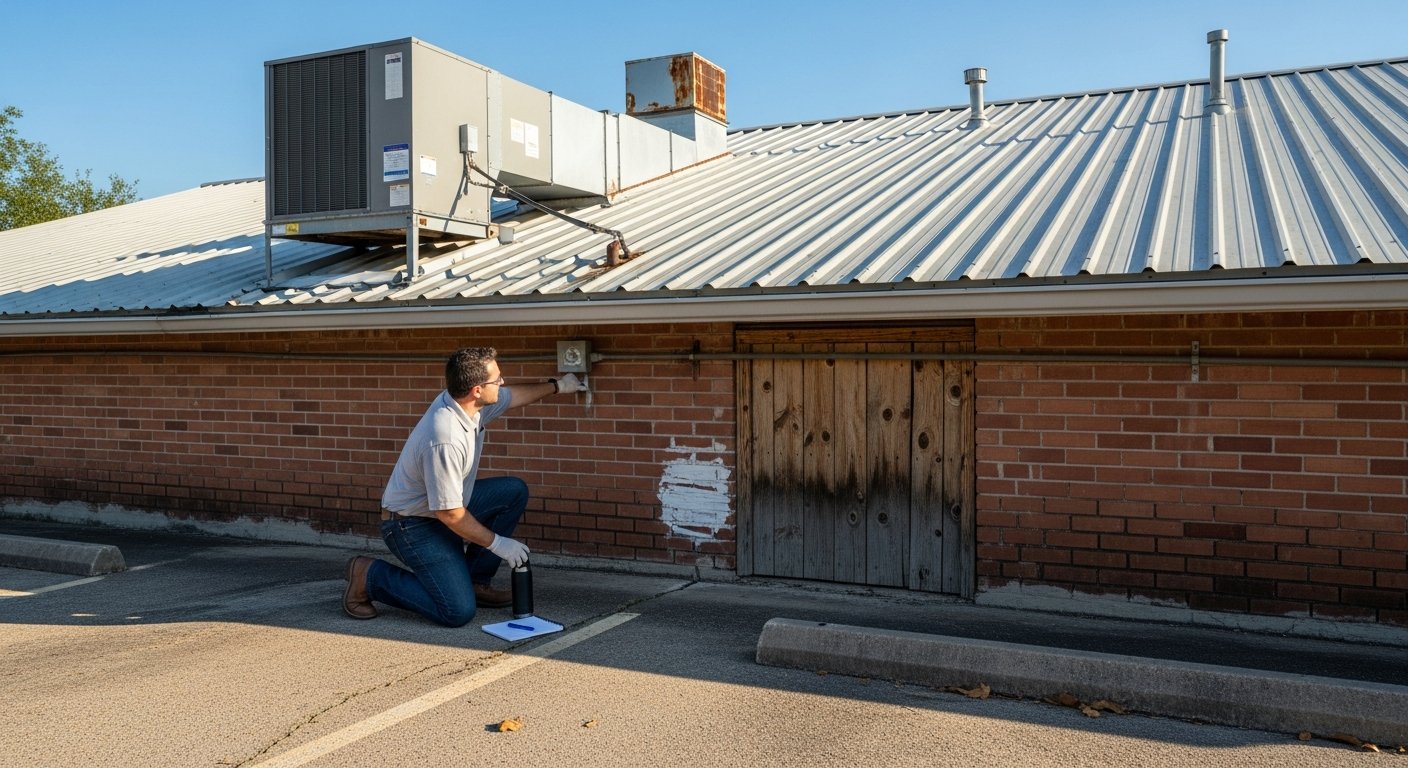
Insurers look closely at the condition of your building's major systems. An outdated electrical panel, old plumbing, or a roof that is nearing the end of its lifespan are all red flags. These systems are more likely to fail, leading to costly claims. For example, an aging electrical system might not handle the load of modern equipment, increasing the risk of a fire. Similarly, old pipes are prone to bursts and leaks, which can cause significant water damage. The materials used in older construction, such as knob-and-tube wiring or polybutylene pipes, are considered particularly high-risk. Insurers may charge significantly more, or even decline coverage, if these materials are present.
Another major factor is the cost to rebuild. Older buildings often have unique architectural features, custom millwork, or materials that are no longer readily available. If your building is damaged, the cost to replace or restore these elements can be much higher than a standard modern build. This is known as the replacement cost, and it is a critical part of your policy. If your coverage limit is too low, you could face a significant financial shortfall after a claim. An experienced independent agent can help you accurately assess the true replacement cost for your specific building, ensuring you are not underinsured.
Essential Coverage Types for Historic and Older Properties
Standard commercial property insurance may not be enough for an older building. You need to consider specific add-ons and policy types to ensure comprehensive protection. A standard policy will cover the building itself and your business personal property, but older buildings often require more tailored solutions.
Here are some key coverage types to consider for your older property:
- Building Ordinance or Law Coverage: This is perhaps the most critical coverage for older buildings. It pays for the increased cost of rebuilding to meet current building codes, which can be significantly more expensive than simply replacing what was there. It also covers the cost of demolishing undamaged portions of the building if required by code.
- Replacement Cost vs. Actual Cash Value: A replacement cost policy pays to rebuild or repair your property with materials of like kind and quality, without deducting for depreciation. Actual cash value pays the replacement cost minus depreciation, which can leave you with far less money. For older buildings, replacement cost coverage is essential to avoid a major financial gap.
- Sewer and Drain Backup Coverage: Older buildings are more susceptible to sewer line issues, especially if the municipal infrastructure is also aging. This coverage protects you from the costly damage caused by water backing up into your building.
- Service Line Coverage: This covers the cost to repair or replace underground utility lines (water, sewer, power, etc.) that run from the street to your building. A break or leak can be a major expense, and this coverage is often a valuable addition.
Each of these coverages addresses a specific vulnerability common to older properties. Without them, you are leaving significant gaps in your protection. An independent agency can help you bundle these into a comprehensive policy that fits your building's unique needs.
How to Lower Your Premiums Without Sacrificing Coverage
While the risk factors are real, there are proactive steps you can take to reduce your insurance costs. Insurers are more willing to offer competitive rates on older buildings when they see that the property is well-maintained and risks are being managed. By investing in certain updates and improvements, you can demonstrate to insurers that your building is a better risk.
One of the most effective ways to lower your premium is to address the specific issues that insurers are most concerned about. Here are a few strategies that can make a meaningful difference:
- Update the Electrical System: Replacing old fuse boxes with modern circuit breakers and updating wiring to meet current code is a major positive signal to insurers. It significantly reduces the risk of electrical fires.
- Modernize the Plumbing: Replacing old pipes, especially galvanized steel or polybutylene, with modern copper or PEX piping reduces the risk of water damage from leaks and bursts.
- Replace the Roof: A new roof protects your building and its contents from weather damage. It is one of the most impactful upgrades you can make for both your insurance premium and your overall property value.
- Install a Modern Fire Suppression System: If your building does not have a fire sprinkler system, adding one can lead to substantial premium discounts. Even a fire alarm system that is monitored can help.
Beyond these major upgrades, even smaller improvements like adding storm shutters or reinforcing the roof against wind damage can be beneficial. Document all improvements you make and provide this information to your insurer. They may be able to offer credits or adjust your premium accordingly.
Working with an Independent Agent for Older Building Coverage
Securing the right coverage for an older building is not a one-size-fits-all process. The complexities of older construction and the various coverage options available make it essential to work with a professional who understands the market. An independent agent, like those at Texas Policies, can be your greatest asset in this process.
An independent agent does not work for a single insurance company. Instead, they work for you. They have the ability to shop your coverage with multiple carriers, comparing rates and coverage options to find the best fit for your specific building. This is particularly valuable for older properties, because different insurers have different appetites for risk. Some may specialize in historic properties, while others may be more cautious. An agent knows which carriers are more likely to offer favorable terms for an older building in Texas.
They can also help you navigate the nuances of your policy. They will explain what is and is not covered, help you determine the correct replacement cost, and ensure you have the right endorsements in place. If you have a claim, your agent will be your advocate, helping you through the process and working to maximize your recovery. This personalized service is invaluable, especially when dealing with the unique challenges of an older property.
Case Study: A Successful Approach to an Older Building
Consider a business owner in San Antonio who purchased a 1920s-era building to house their growing architecture firm. The building had significant charm but also outdated wiring and an old HVAC system. When they initially sought quotes, they found that many national carriers either declined to offer coverage or gave very high premiums due to the electrical system.
They reached out to an independent agent who specialized in commercial coverage. The agent conducted a thorough review of the building and recommended a policy that included building ordinance coverage and a higher liability limit. They also worked with the owner to get quotes from several insurers that were comfortable with older construction. By getting a quote for the building as-is, and then another quote with the promise of updating the electrical system within the first year, the agent was able to secure a policy that was both comprehensive and affordable. The owner scheduled the electrical upgrade and that, along with the agent's advocacy, resulted in a lower premium than initially quoted.
This example illustrates the importance of understanding the market and working with an expert. The right coverage is out there, but it often requires a knowledgeable guide to find it.
Securing Your Legacy Building Today
Protecting an older commercial building is about more than just meeting a legal requirement; it is about safeguarding a piece of history and the future of your business. The right insurance policy provides peace of mind, knowing that you are prepared for the unexpected. It allows you to focus on running your business, rather than worrying about the financial impact of a fire, storm, or liability claim.
Navigating the complexities of Texas commercial property insurance for older buildings does not have to be overwhelming. By understanding your unique risks, exploring essential coverages, and working with an independent agent, you can secure a policy that offers robust protection at a fair price. At Texas Policies, we are committed to simplifying the insurance process for Texas business owners. We are an independent agency with access to multiple carriers, and we specialize in finding the right coverage for buildings of all ages and conditions. Contact us today for a free, no-obligation quote, and let us help you protect your investment.