
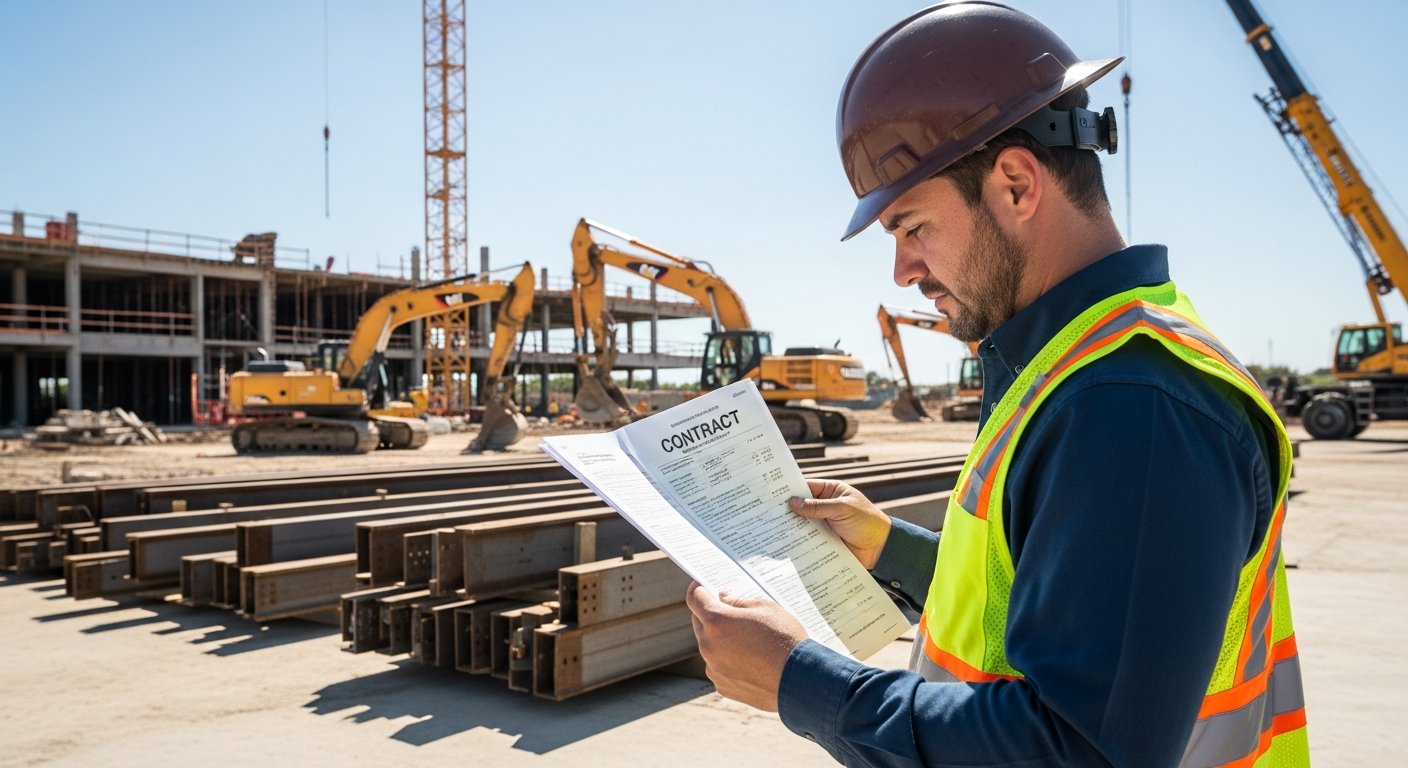
Texas Surety Bonds for Subcontractors: A Complete Guide
Surety Bonds for Construction Projects in Texas: A Guide for Subcontractors explains how to qualify for bonds, avoid costly mistakes, and win more bids with confidence.
If you are a subcontractor working in Texas, you have likely encountered a request for a surety bond on a construction project. A surety bond is not insurance for you. It is a guarantee to the project owner that you will fulfill your contractual obligations. Without a bond, many prime contractors and project owners will not consider your bid. This guide explains what surety bonds are, why they matter, and how you can secure one to grow your business in Texas.
What Is a Surety Bond for Construction Projects?
A surety bond is a three-party agreement. The principal is the subcontractor (you). The obligee is the project owner or general contractor who requires the bond. The surety is the insurance company that backs the bond. If you fail to complete the work or pay your suppliers, the surety compensates the obligee up to the bond amount. You must then repay the surety. This is different from an insurance policy where the insurer bears the loss. A surety bond protects the project owner, not you. However, having a bond proves your financial stability and reliability, which helps you win more contracts.
In Texas, surety bonds are commonly required for public works projects, but private projects also demand them. The Miller Act requires bonds on federal projects over $100,000. Texas has a similar law, the Texas Public Work Performance and Payment Bond Act, for state and local projects. Subcontractors on those projects must often provide bonds as well. Even if not legally required, a bond can give you a competitive edge.
Three Main Types of Bonds Subcontractors Encounter
Bid Bonds
A bid bond guarantees that if you are awarded a contract based on your bid, you will enter into the contract and provide the required performance and payment bonds. Typically, a bid bond is for a percentage of the bid amount, such as 5% or 10%. If you withdraw your bid or fail to sign the contract, the obligee can claim against the bond. Bid bonds are usually inexpensive and easy to obtain if you have good credit and experience.
Performance Bonds
A performance bond guarantees that you will complete the work according to the contract terms, including specifications and schedule. If you default, the surety can step in to finish the project or pay the obligee for the cost of a replacement contractor. Performance bond amounts are usually equal to the contract price. The premium is typically 1% to 3% of the bond amount per year, depending on your financial strength and project complexity.
Payment Bonds
A payment bond protects subcontractors and material suppliers who work for you. It ensures that you pay them for labor and materials. Without a payment bond, your suppliers might file liens against the project. Many prime contractors require payment bonds from subcontractors to reduce their own risk. Payment bonds are often bundled with performance bonds in a single package.
Understanding these three bond types is essential. A project may require all three, or only one. Always read the bond requirements in your contract carefully.
How Subcontractors Qualify for Surety Bonds in Texas
Qualifying for a surety bond depends on your financial and operational strength. Sureties evaluate your:
- Credit history , A personal and business credit score above 650 is preferred. Lower scores may still qualify, but you will pay higher premiums or need collateral.
- Work history , Sureties look at your experience in the trade and your track record of completing projects on time and within budget. New subcontractors may start with smaller bonds to build a history.
- Financial statements , You may need to provide balance sheets, income statements, and cash flow projections. Larger bond amounts often require audited financials.
- Banking relationships , A strong business bank account and line of credit show financial stability.
- Assets and liquidity , The surety wants to see that you have enough working capital to cover potential losses and that you are not over-leveraged.
If you are a new subcontractor, start with a small bond on a low-risk job. As you build a performance history, you can request higher bond limits. Many sureties offer a bond program called a “bond line of credit” similar to a credit line. Once approved, you can issue bonds up to a set aggregate amount.
The Process of Getting a Surety Bond
Getting a surety bond for a specific project involves these steps:
- Find a reputable surety agent or broker. Texas has many agencies that specialize in construction bonds. An independent agency like Texas Policies can compare multiple carriers to find the best rate and terms for your situation.
- Complete a bond application. The surety will ask for your business and personal financial information, project details, and contract documents.
- Underwriting review. The surety analyzes your financial strength, experience, and the project risk. This can take a few days to a few weeks.
- Receive a quote and pay the premium. The premium is a one-time fee for the bond term (usually the project duration). You must pay it before the bond is issued.
- Sign the bond agreement and indemnity agreement. You agree to reimburse the surety for any claims paid on your behalf.
- Submit the bond to the obligee. The surety will provide a physical or digital bond document that you deliver to the project owner.
After you complete the project and all payment obligations are met, the bond is released. If you have a continuous bond line, you can reuse it for future projects.
Common Pitfalls and How to Avoid Them
Many subcontractors make mistakes when dealing with surety bonds. Here are a few to watch for:
- Waiting until the last minute. Bond underwriting takes time. Apply as soon as you know you will bid on a bond-required project. Rushing can lead to higher costs or rejection.
- Not understanding the indemnity agreement. You are personally liable if your business cannot repay the surety for a claim. Use a lawyer or trusted advisor to review the contract.
- Overextending your bond capacity. Do not take on more bonded work than your cash flow and assets can support. A default can ruin your reputation and finances.
- Failing to communicate with the surety. If you run into problems on a project, tell the surety early. They may be able to help you avoid a claim by providing guidance or resources.
- Ignoring bond requirements on private work. Even when not required by law, many prime contractors require bonds. Having a bond line ready shows you are a professional and can help you win competitive bids.
By avoiding these pitfalls, you will maintain a good relationship with sureties and keep your bonding capacity strong.
Why Texas Subcontractors Should Work with an Independent Insurance Agency
Surety bonds are a specialized product. A local independent agency like Texas Policies can help you navigate the process. They have relationships with multiple surety companies, not just one. This means they can shop for the best rates and terms that fit your specific financial picture. They also understand Texas construction laws and the requirements of local projects.
When you contact Texas Policies, their team will ask about your business history, project types, and bond needs. They will then provide you with a free quote and guide you through the application. Because they are independent, they can often help subcontractors who have less-than-perfect credit or are just starting out. The goal is to help you secure the bonds you need without unnecessary delays or excessive costs.
Additionally, an independent agency can help you manage your overall business insurance portfolio. Surety bonds are just one piece of a subcontractor's risk management toolkit. You also need general liability, workers compensation, and inland marine coverage for your tools and equipment. Bundling these policies with the same agency can simplify billing and ensure consistent coverage.
Frequently Asked Questions About Surety Bonds for Texas Subcontractors
How much does a surety bond cost?
Premiums typically range from 1% to 3% of the bond amount per year. For a $100,000 bond, you might pay $1,000 to $3,000 annually. The rate depends on your credit, experience, and project risk. Some sureties also charge a small application or processing fee.
Can I get a surety bond with bad credit?
Yes, but it is more difficult and more expensive. You may need to provide collateral, such as cash or a letter of credit, to secure the bond. Some sureties specialize in “nonstandard” bonds for subcontractors with credit issues. An independent agent can help you find these markets.
What happens if a claim is filed against my bond?
The surety will investigate the claim. If it is valid, the surety pays the obligee up to the bond limit. You must then reimburse the surety for the full amount plus expenses. If you cannot pay, the surety may pursue legal action against you and your personal assets. That is why it is critical to fulfill your contract and pay your suppliers on time.
Do I need a bond for every project?
Not always. Many private projects do not require bonds, especially for small subcontractors. However, prime contractors increasingly ask for bonds to reduce their risk. Having a bond line ready allows you to take advantage of larger, more profitable projects when they arise.
Final Thoughts on Surety Bonds for Texas Subcontractors
Surety bonds are a routine requirement in the Texas construction industry, but they do not have to be a barrier. With the right preparation and a knowledgeable partner, you can qualify for bonds that open doors to bigger projects. Start by gathering your financial documents, building a relationship with an independent agent like Texas Policies, and applying for a small bond to establish your track record. Over time, your bonding capacity will grow alongside your business. Protect your reputation and your cash flow by understanding the bond process and working with experts who understand the Texas market.