What Does a BOP Cover for Texas Shops?
Learn what a BOP covers for Texas shops, including property, liability, and business interruption, plus how to customize it.

By Jeffrey Connors
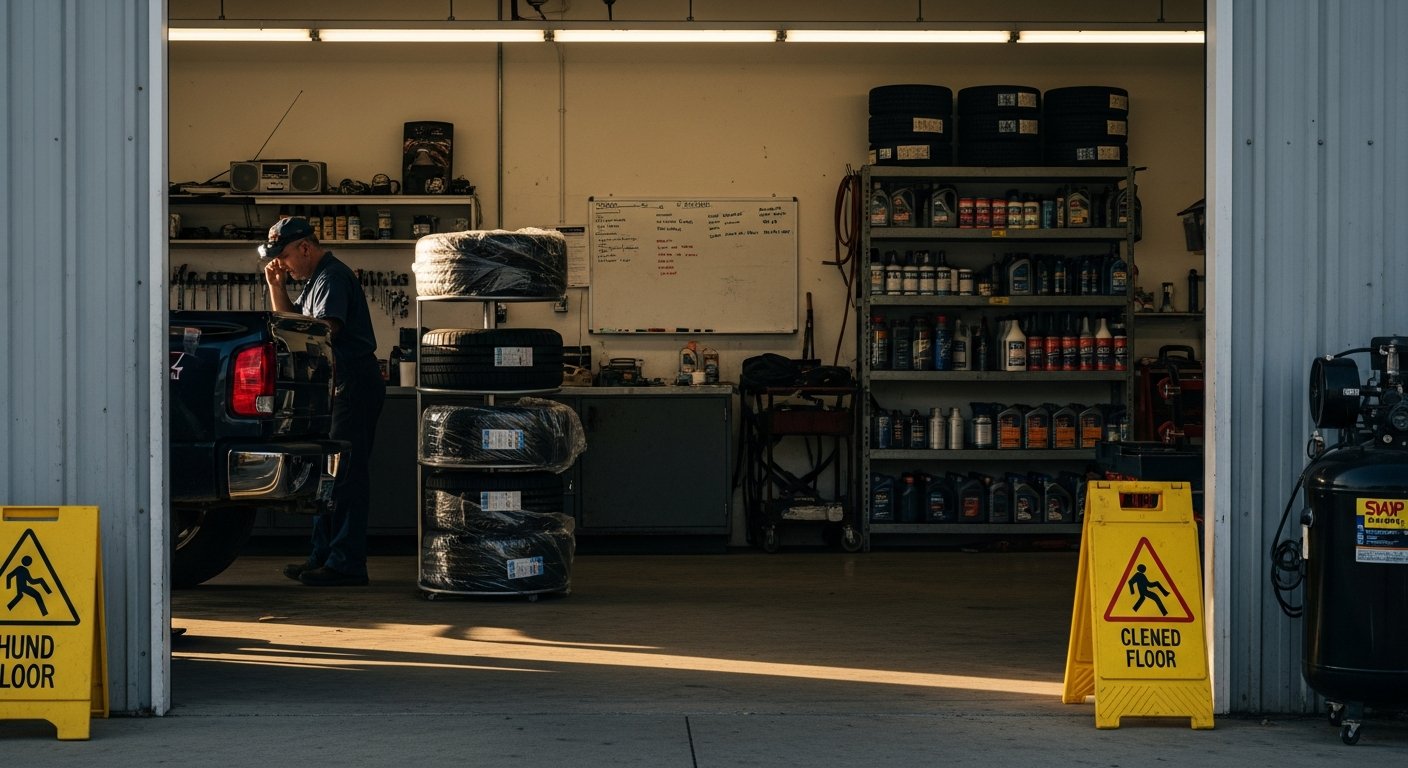
Running a shop in Texas means you have invested in equipment, inventory, and a reputation. You also face risks like a customer slipping on a wet floor or a fire damaging your stock. A Business Owners Policy, or BOP, is designed to bundle the most essential coverages into one affordable package. This article explains what a BOP covers for Texas shops, what it does not cover, and how to decide if it is the right foundation for your business.
What Is a Business Owners Policy (BOP)?
A BOP is a packaged insurance product that combines general liability and commercial property coverage into a single policy. It is created for small to mid-sized businesses, including retail shops, repair garages, and service-based operations. Instead of buying separate policies, you get a streamlined package that often includes business interruption coverage as well.
For Texas shop owners, a BOP offers convenience and cost savings. Insurers typically price a BOP lower than the total cost of buying each coverage separately. This bundling also simplifies renewals and claims, since you work with one carrier and one policy. However, a BOP is not a one-size-fits-all solution. You need to understand exactly what is included and where gaps may exist.
Core Coverages Inside a BOP for Texas Shops
A standard BOP from most carriers includes three main coverage sections. Each section protects a different part of your business, and together they form a solid safety net for everyday operations.
Commercial Property Insurance
This part of the BOP covers the physical assets your shop needs to operate. It typically includes the building you own or lease (if you lease, your landlord may require this), plus your business personal property such as desks, display cases, tools, and inventory. If a fire, storm, or vandalism damages your shop, this coverage helps pay to repair or replace the damaged items.
Commercial property in a BOP usually covers named perils, which means it lists specific causes of loss like fire, lightning, wind, hail, and theft. Some policies offer "special form" coverage, which protects against all risks except those explicitly excluded. For example, a standard BOP may not cover flood or earthquake damage; you would need separate policies for those perils. Texas shops in flood-prone areas or near the Gulf Coast should strongly consider adding flood insurance.
General Liability Insurance
General liability is the other pillar of a BOP. It protects your shop if a third party claims bodily injury or property damage caused by your business operations. For example, if a customer trips over a loose rug and breaks an arm, this coverage can pay for their medical bills and your legal defense if they sue. It also covers damage you might cause to someone else's property, like a delivery driver accidentally backing into a client's car.
In addition, general liability in a BOP often includes personal and advertising injury coverage. This protects against claims of libel, slander, or copyright infringement in your advertisements. For a shop that runs social media promotions or has a website, this coverage is valuable. However, general liability does not cover professional mistakes or errors in your services; that requires separate professional liability insurance.
Business Interruption (Business Income) Coverage
If a covered event like a fire forces your shop to close temporarily, you lose revenue. Business interruption coverage helps replace lost income and covers ongoing expenses like rent, payroll, and taxes during the shutdown. This can be a lifeline for a small shop that cannot survive months without cash flow.
Business interruption coverage is usually included in a BOP, but the coverage period and limits vary. Some policies include a waiting period, often 72 hours, before benefits kick in. You should discuss your expected downtime with an agent to ensure your limit is realistic. For example, if a fire destroys your inventory, it may take six months to rebuild and restock; your coverage should reflect that timeline.
What a BOP Typically Does Not Cover
A BOP is not a complete insurance solution for every risk. Texas shop owners must recognize these common exclusions to avoid surprise gaps. Here are the key areas a standard BOP leaves out:
- Workers compensation: injuries to your employees are not covered; Texas law requires workers comp if you have employees, though it is elective for most private employers, but the coverage is separate.
- Commercial auto: vehicles used for business, like delivery vans, require a separate commercial auto policy.
- Professional liability (errors and omissions): if you give advice or provide a service, mistakes that cause financial harm need a separate policy.
- Cyber liability: data breaches and cyberattacks are typically not included, even if you handle customer payment information.
- Flood and earthquake: these are separate policies, often from the National Flood Insurance Program or a private carrier.
If your shop has employees, vehicles, or digital operations, you will need additional policies. For example, a coffee shop with a delivery van and a point-of-sale system should combine a BOP with commercial auto and cyber liability. An independent agent at Texas Policies can help you identify these gaps and build a complete program.
Who Is a BOP Right For?
A BOP fits many Texas shops, but not all. It is ideal for businesses that have a physical location, moderate foot traffic, and limited high-risk operations. Common examples include:
- Boutiques and retail stores
- Auto repair shops and service stations (without heavy pollution or underground storage tanks)
- Barbershops and salons
- Bakeries and small restaurants
- Fitness studios and gyms
- Home-based shops selling products online
These businesses typically face property and liability risks that a BOP handles well. On the other hand, if your shop involves heavy manufacturing, significant use of hazardous materials, or professional advice (like an engineering consultancy), you may need additional specialized coverage. A BOP can still be the base, but you would add endorsements or separate policies to address those higher risks.
How to Customize a BOP for Your Texas Shop
No two shops are alike, and your BOP should reflect that. Insurers offer optional endorsements, called riders, that expand coverage for specific needs. For Texas shop owners, these are some of the most valuable add-ons:
- Equipment breakdown coverage: repairs or replacement for machinery that breaks down due to mechanical or electrical failure, like a commercial oven or HVAC system.
- Inland marine or contractors equipment: covers tools and mobile equipment you take off premises, such as a plumber's trailer or a mobile repair unit.
- Employment practices liability (EPLI): protects against employee lawsuits for discrimination, harassment, or wrongful termination.
- Identity theft and cyber liability: covers costs related to data breaches and fraud.
- Business income from dependent properties: if your shop relies on a key supplier, this covers lost income if that supplier suffers a covered loss.
Before you buy a BOP, walk through your daily operations with an agent. For example, a bakery might need extra coverage for a walk-in freezer breakdown, while a locksmith shop might need inland marine for their tools. An independent agency like Texas Policies compares options from multiple carriers to find the right fit.
Texas-Specific Considerations for BOP Coverage
Texas has unique weather and legal conditions that affect shop insurance. Here are a few points to consider:
First, severe weather is a major risk. Hailstorms, tornadoes, and high winds can damage roofs and windows. A standard BOP covers wind and hail, but your deductible may be high, and some carriers exclude certain coastal areas. If your shop is near the Gulf, you may need a separate windstorm policy from the Texas Windstorm Insurance Association.
Second, Texas is a "fault" state for auto accidents, but that does not affect your BOP. However, if a customer is injured on your premises, Texas's comparative negligence rules can affect how much you pay. A BOP's liability coverage helps, but your attorney fees could be substantial, so ensure your policy limits are high enough.
Third, Texas has no state income tax, but property taxes can be significant. That is unrelated to insurance, but it affects your overall risk budget. A BOP premium is a deductible business expense, so it lowers your taxable income.
How to Get a BOP Quote for Your Texas Shop
Getting a BOP quote from Texas Policies is straightforward. You can visit the commercial insurance page and fill out a short form, or call the agency directly. You will need basic information about your shop, such as square footage, annual revenue, number of employees, and a list of equipment and inventory. The agency will then compare quotes from multiple carriers to find competitive pricing.
When comparing quotes, look beyond the premium. Check the policy limits, deductibles, and exclusions. A cheaper policy might have lower coverage limits or a higher deductible that leaves you exposed. An independent agent can explain the differences in plain language and help you choose the right balance of cost and protection.
Also, ask about bundling your BOP with other policies, like workers comp or commercial auto. Many insurers offer multi-policy discounts, which can reduce your overall cost. Texas Policies can help you structure a complete program that avoids gaps and overlaps.
What Does a Business Owners Policy BOP Cover for Texas Shops: A Quick Summary
To recap, a BOP covers your shop's building and contents, your liability for third-party injuries or property damage, and lost income during a covered shutdown. It does not cover employees' injuries, vehicles, professional errors, or cyber incidents. For many Texas shops, a BOP is the most cost-effective way to get core protection, but you may need additional policies to fill gaps.
To make the best decision, evaluate your specific risks and work with a knowledgeable agent. Texas Policies has experience helping shop owners across the state, from Houston to El Paso. They can review your operations, explain what a BOP covers in your situation, and secure free quotes from top carriers. Request a quote today to get the protection your shop deserves.
In summary, a Business Owners Policy is a powerful tool for Texas shops, but it is not a magic bullet. Use it as the foundation of your insurance program, and add coverages where your business has specific exposures. With the right mix, you can focus on running your shop with confidence.