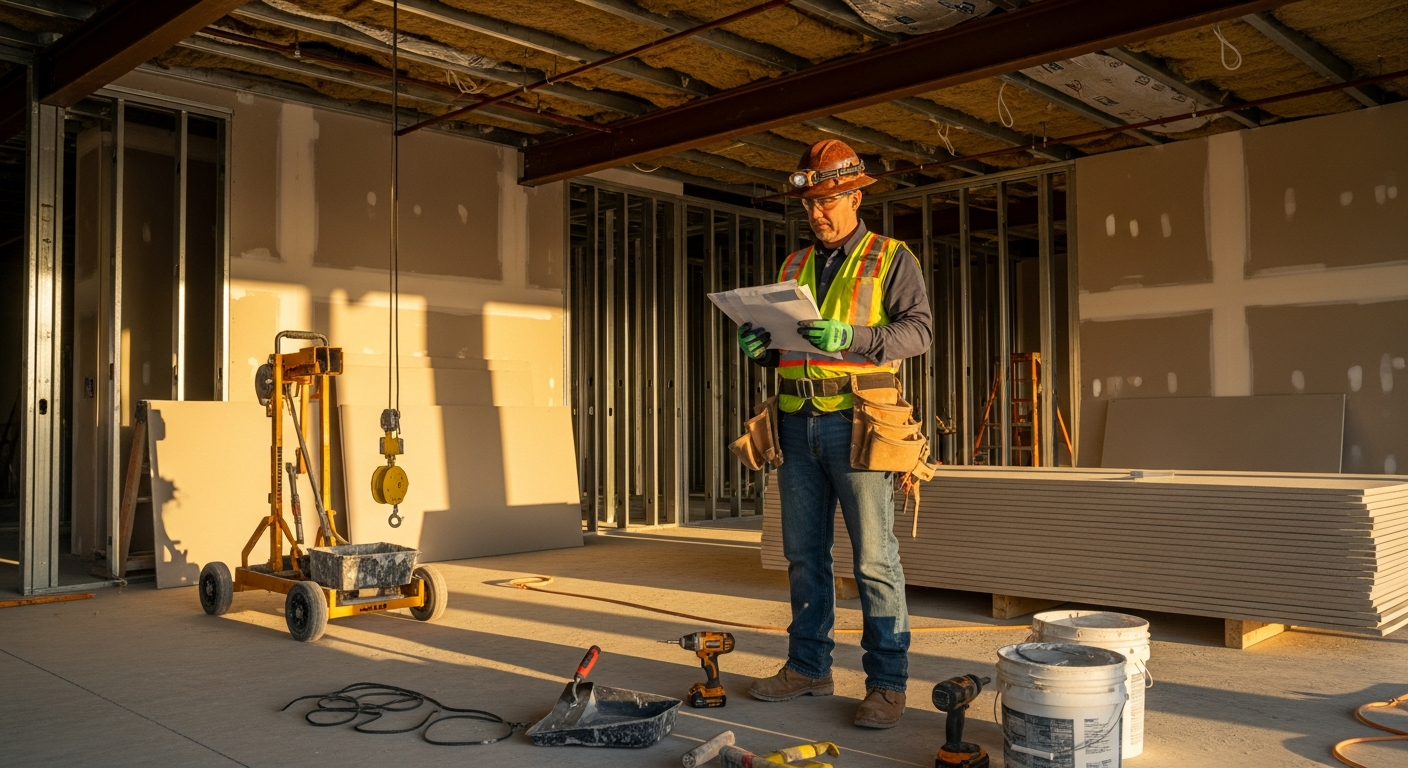

When you're a ceiling and wall contractor in Texas, every day presents new challenges - from complex Sheetrock installations to elaborate ceiling treatments in commercial spaces. But one challenge looms larger than any construction project: protecting your business from the unexpected. The difference between a thriving contracting business and financial disaster often comes down to having the right insurance coverage specifically tailored to Texas regulations and market conditions. Understanding how your work gets classified and what protection you need isn't just about compliance - it's about building a foundation for sustainable growth in the competitive Texas construction industry.
Understanding Texas Insurance Classification Systems
Insurance companies use classification systems to categorize contractors based on the specific risks associated with their work. In Texas, the primary system used is the Workers' Compensation Classification System maintained by the National Council on Compensation Insurance (NCCI), which directly influences your premium calculations and coverage requirements. These classifications help insurers accurately price policies based on the historical loss data for each type of contracting work.
For ceiling and wall contractors, misclassification represents a significant financial risk. If you're placed in a higher-risk category than your actual work warrants, you'll pay substantially more for coverage. Conversely, if you're improperly classified in a lower-risk category and file a claim, your insurer might deny coverage based on misrepresentation. Texas contractors need to be particularly vigilant about these classifications since the state doesn't mandate workers' compensation insurance for most employers, making proper voluntary coverage even more critical for business protection.
How Classification Codes Impact Your Premiums
Your classification code directly determines your experience modification factor, which insurers use to calculate your final premium. This "mod factor" compares your actual loss history with what would be expected from a typical business in your classification. A factor below 1.00 indicates better-than-average safety, while a factor above 1.00 suggests higher risk. For ceiling contractors in Texas, maintaining a favorable mod factor through proper safety protocols and accurate classification can lead to substantial insurance savings year after year.
Texas construction businesses often see their mod factors fluctuate based on claim frequency and severity. Even a single significant claim can impact your premiums for three years, making proper risk management and accurate classification essential components of your financial strategy. Documenting your safety programs, employee training, and specific work processes can help justify your classification and potentially lower your insurance costs.
Key Insurance Policies for Ceiling and Wall Contractors
While general liability insurance forms the foundation of protection for most Texas contractors, ceiling and wall specialists need a more comprehensive approach. The unique nature of your work - involving overhead installations, potential for falling materials, and intricate finishing work - creates specific liabilities that standard policies might not adequately address. Understanding each policy type and how they interact provides the complete protection your business needs.
Texas contractors should consider building their insurance portfolio around several core policies, each addressing distinct aspects of business risk. These policies work together to create a safety net that protects both your business assets and your personal financial security. The specific combination you need depends on your business structure, project types, number of employees, and contractual requirements from clients or general contractors.
General Liability Insurance Fundamentals
Commercial general liability (CGL) insurance serves as your first line of defense against third-party claims of bodily injury or property damage. For ceiling contractors, this might include scenarios where falling tools injure a client, or installation errors cause water damage to finished spaces. In Texas, where tort laws can favor plaintiffs in injury cases, adequate liability limits are particularly important for construction businesses.
A standard CGL policy typically includes three main coverage areas: premises liability for incidents at your business location, operations liability for work performed elsewhere, and products-completed operations coverage for issues that arise after project completion. For wall and ceiling specialists, the products-completed operations component proves especially valuable, as it covers defects that might not become apparent until months or years after installation. Texas contractors should ensure their policy includes adequate limits for this specific coverage area.
Workers' Compensation in Texas
Texas operates differently from most states when it comes to workers' compensation. While not legally required for most employers, carrying workers' comp insurance remains crucial for ceiling and wall contractors with employees. Without it, you assume full financial responsibility for workplace injuries, which could include medical expenses, lost wages, and potential lawsuits. Many Texas project owners and general contractors also require proof of workers' compensation coverage before allowing subcontractors on job sites.
The Texas Department of Insurance, Division of Workers' Compensation oversees the system, which provides no-fault coverage for work-related injuries and illnesses. For ceiling installation specialists, common claims might include falls from ladders, repetitive stress injuries from overhead work, or respiratory issues from dust and insulation materials. Even if you currently work without employees, securing workers' comp coverage before hiring your first worker protects both your business and your new team member from financial hardship following workplace accidents.
Specialized Coverage Options for Ceiling Contractors
Beyond the standard policies, ceiling and wall contractors in Texas benefit from several specialized coverage options that address industry-specific risks. These additional policies fill critical gaps left by general liability and workers' compensation insurance, providing protection for your tools, vehicles, and professional reputation. The unique aspects of ceiling work - particularly the installation of heavy materials overhead - create exposures that demand specialized insurance solutions.
Commercial auto insurance represents one essential specialized coverage, particularly if you transport materials, tools, or employees between job sites. In Texas, where distances between projects can be substantial, adequate auto coverage protects against accidents during transit. Similarly, inland marine insurance (often called contractor's equipment insurance) covers your tools and materials while they're in transit or stored at job sites, addressing the mobile nature of contracting work.
Professional Liability for Design-Build Contractors
Many modern ceiling and wall contractors offer design-build services, providing both design consultation and installation. If your Texas business provides any design input, material specifications, or installation recommendations, professional liability insurance becomes essential. This coverage protects against claims arising from professional errors or omissions, such as recommending inappropriate materials for specific environments or designing support systems that prove inadequate.
Unlike general liability, which covers physical injury or property damage, professional liability addresses financial losses resulting from your professional advice or design work. For ceiling contractors working on commercial projects with complex specifications, this coverage can mean the difference between surviving a claim and facing business-ending litigation. Even if you consider your design services minimal, Texas courts have increasingly held contractors responsible for design-related decisions, making this coverage increasingly important.
Navigating Texas-Specific Insurance Regulations
Texas maintains unique insurance regulations that directly impact how ceiling and wall contractors structure their coverage. Understanding these state-specific requirements helps ensure compliance while maximizing protection. From certificate of insurance requirements to statutory limitations on certain coverages, Texas contractors must navigate a regulatory landscape that differs significantly from federal standards and other states' approaches.
The Texas Fair Plan Association provides essential property coverage for contractors who cannot obtain insurance through standard markets, particularly those working in areas with high weather-related risks. While typically considered a last resort, this state-mandated pool ensures that all Texas contractors can access basic property coverage. Additionally, Texas tort reform measures have created specific requirements for lawsuit notifications and damage caps that influence how liability policies respond to claims.
Contractors working on public projects in Texas face additional insurance requirements, often including higher liability limits and specific endorsements. Municipalities, school districts, and state agencies typically mandate additional insured status, waiver of subrogation, and primary/non-contributory wording on certificates of insurance. Understanding these requirements before bidding on public work prevents costly compliance issues and potential contract disputes.
Building Your Custom Insurance Portfolio
Creating the right insurance portfolio for your ceiling or wall contracting business requires careful assessment of your specific operations, risk exposures, and contractual obligations. A one-size-fits-all approach rarely provides adequate protection for Texas contractors, whose work ranges from simple drywall installations to complex acoustic ceiling systems in commercial high-rises. Building your custom insurance program starts with a thorough risk assessment and progresses through strategic policy selection.
Begin by documenting all aspects of your operations, including the types of projects you undertake, materials you work with, equipment you use, and employees you hire. This operational profile forms the foundation for determining which coverages you need and appropriate coverage limits. Next, review your contractual requirements, as client agreements often specify minimum insurance requirements that must be met. Finally, consult with a Texas insurance professional who understands construction risks and can help identify potential coverage gaps.
Essential components of a comprehensive ceiling contractor insurance portfolio include:
- General liability insurance with adequate products-completed operations coverage
- Workers' compensation insurance, even if not legally required
- Commercial auto insurance for all business vehicles
- Inland marine insurance for tools and equipment
- Umbrella liability insurance for additional protection above primary limits
- Professional liability insurance if providing any design services
Regular policy reviews ensure your coverage evolves with your business. As you take on larger projects, hire additional employees, or expand into new service areas, your insurance needs will change. Working with an insurance provider who specializes in Texas construction businesses helps ensure your coverage remains aligned with your evolving risk profile and continues to provide the protection your growing business requires.
Protecting your ceiling or wall contracting business with the right insurance isn't just about checking boxes for compliance - it's about building a foundation that allows you to focus on your craft while knowing your livelihood remains secure. The right coverage combination, properly classified and Texas-specific, transforms insurance from a business expense into a strategic asset that supports growth, enhances credibility, and provides peace of mind through every project you undertake.