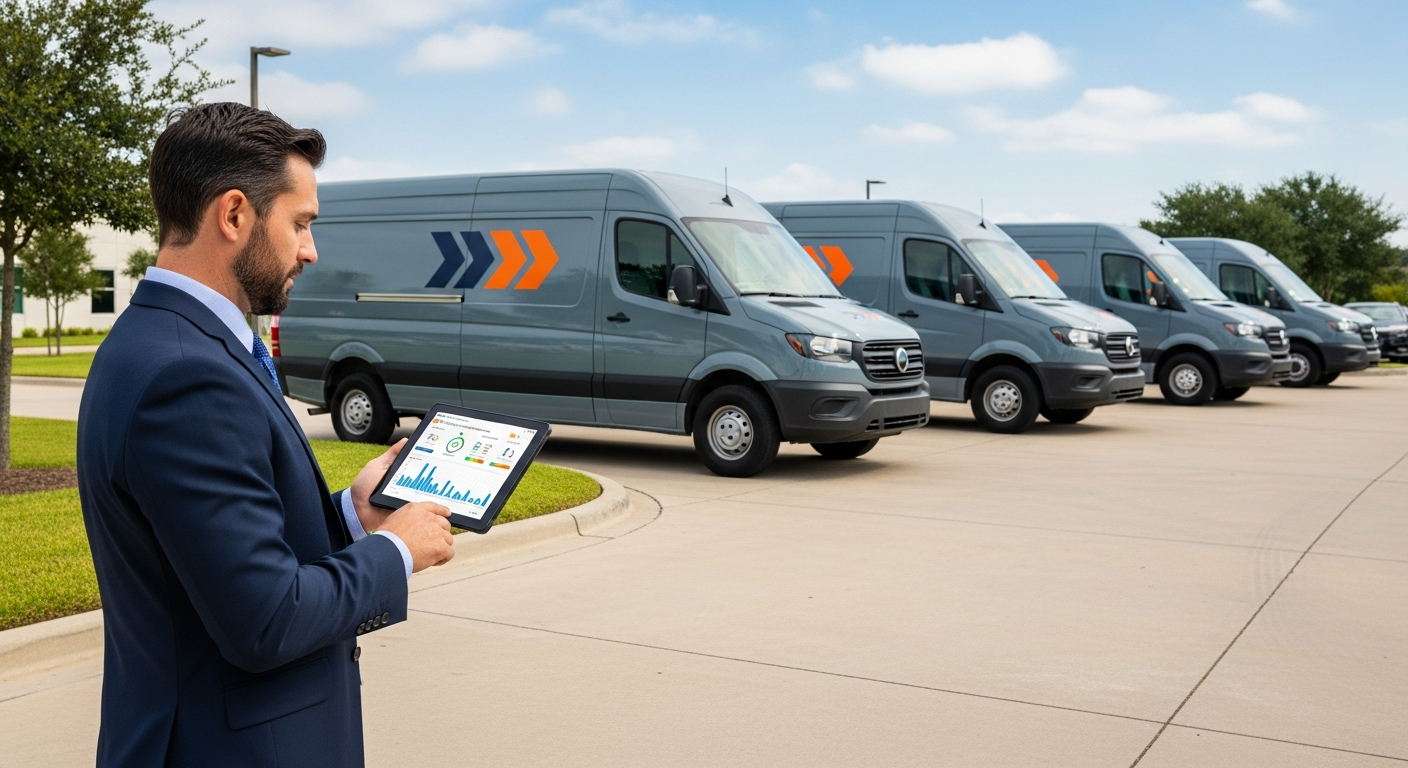

When your business vehicles hit the roads of San Antonio, from the bustling I-410 loop to the growing commercial corridors along I-35, they carry more than just goods and personnel-they carry your company's reputation and financial stability. A single accident involving an uninsured or underinsured commercial vehicle can lead to devastating financial losses, massive liability claims, and irreparable harm to your business's standing. For Texas business owners, navigating the unique risks of the Lone Star State's roads requires a specialized approach to commercial auto insurance. A standard policy might not suffice for the diverse fleet operations seen across Bexar County, making it crucial to understand and invest in comprehensive fleet coverage solutions designed specifically for the San Antonio business landscape.
Why San Antonio Businesses Need Commercial Auto Insurance
Operating commercial vehicles in San Antonio presents a distinct set of challenges that personal auto insurance simply cannot address. Texas law mandates specific liability minimums for all vehicles, but commercial operations face heightened exposure. Consider a plumbing company with service vans traveling between jobs in Alamo Heights, Stone Oak, and the Southside. A minor fender bender in a company vehicle instantly becomes a business liability issue, potentially involving not just vehicle damage but also lost business income, damage to specialized equipment on board, and liability for injuries to other drivers. Furthermore, employees using personal vehicles for business errands-a common practice for many small businesses-create significant coverage gaps that only commercial auto insurance can properly address.
The legal landscape in Texas further complicates matters. Unlike personal policies, commercial auto insurance is designed to protect your business assets when an employee is at fault in an accident. Without proper coverage, your company could be held directly liable for damages that far exceed basic state minimums. This is particularly critical in a city like San Antonio, where commercial growth has led to increased traffic congestion and consequently, a higher likelihood of accidents. The right commercial auto policy doesn't just meet legal requirements-it provides a crucial financial safety net that protects your business from catastrophic loss.
Core Components of Commercial Auto Coverage
A robust commercial auto insurance policy is built upon several key coverage types that work together to protect your San Antonio business. Understanding these components is the first step toward building a policy that truly safeguards your operations.
Liability Insurance: Your First Line of Defense
Liability coverage forms the foundation of any commercial auto insurance policy. In Texas, this coverage is legally required and addresses costs associated with property damage and bodily injury for which your business is found responsible. For instance, if your delivery truck rear-ends another vehicle on US-281, your liability coverage would handle the other party's medical expenses and vehicle repairs. Texas minimum requirements are often insufficient for commercial operations, as a serious accident can easily generate claims exceeding $100,000. Most San Antonio businesses opt for substantially higher limits-typically $1 million or more-to adequately protect their assets against major claims.
Physical Damage Coverage Options
While liability insurance protects others, physical damage coverage protects your own commercial vehicles. This includes both collision coverage (for accidents with other vehicles or objects) and comprehensive coverage (for non-collision incidents like theft, vandalism, or weather damage). For a San Antonio construction company with expensive specialized trucks, this coverage is essential-especially considering the region's susceptibility to hailstorms that can cause extensive vehicle damage. Physical damage coverage typically includes a deductible, which represents your out-of-pocket cost before insurance kicks in. Choosing the right deductible amount involves balancing premium costs against your business's ability to handle unexpected repair expenses.
Additional Essential Coverages
Beyond basic liability and physical damage protection, several other coverage types address specific risks faced by San Antonio businesses. Medical payments coverage handles medical expenses for you and your passengers regardless of fault-particularly valuable given Texas' high healthcare costs. Uninsured/underinsured motorist protection becomes crucial in a state where approximately 15% of drivers lack proper insurance. For businesses transporting valuable cargo, hired and non-owned auto liability extends coverage to rented vehicles and employees' personal cars used for business purposes. This last coverage is especially important for companies that reimburse employees for using their personal vehicles for work-related tasks.
Fleet Insurance vs. Individual Vehicle Policies
For San Antonio businesses operating multiple vehicles, the decision between individual policies and consolidated fleet insurance carries significant financial and administrative implications. Fleet insurance bundles coverage for all your business vehicles under a single policy, creating numerous advantages for growing companies. The administrative simplicity alone makes fleet coverage worthwhile-instead of managing multiple renewal dates, premium payments, and policy documents, you have one unified policy covering your entire operation. This consolidated approach also typically results in lower per-vehicle premiums, as insurers can spread risk across multiple vehicles and often offer volume discounts.
The benefits extend beyond simplified administration and potential cost savings. Fleet policies offer greater flexibility when adding or removing vehicles from your coverage-a valuable feature for seasonal businesses or companies experiencing rapid growth. For a San Antonio catering company that expands its vehicle fleet during peak wedding season, or a logistics company that regularly cycles trucks in and out of service, this flexibility prevents coverage gaps and eliminates the need for constant policy adjustments. Additionally, fleet insurance provides consistent coverage terms across all vehicles, ensuring that every driver and vehicle in your operation maintains the same level of protection regardless of individual risk factors.
Before choosing a fleet policy, consider these key advantages:
- Simplified management: Single renewal date, one premium payment, and unified policy documents
- Potential cost savings: Volume discounts and reduced per-vehicle premiums
- Operational flexibility: Easily add or remove vehicles as business needs change
- Consistent protection: Uniform coverage levels across your entire fleet
- Enhanced risk management: Comprehensive tracking and reporting capabilities
While individual policies might make sense for businesses with just one or two vehicles, any San Antonio company operating three or more commercial vehicles should seriously explore fleet insurance options. The operational efficiencies and potential cost benefits typically outweigh any advantages of maintaining separate policies for each vehicle.
Industry-Specific Coverage Considerations in San Antonio
Different industries face unique risks on San Antonio roads, making specialized coverage endorsements essential for comprehensive protection. A one-size-fits-all approach to commercial auto insurance often leaves critical gaps for businesses with specialized operations.
Construction companies operating in San Antonio's booming development market require specialized coverage for equipment transit, job site vehicle exposure, and materials transportation. Standard policies may not adequately cover tools and equipment stolen from unattended vehicles-a significant concern at construction sites across Bexar County. Similarly, dump trucks and other heavy commercial vehicles need higher liability limits and specific endorsements for the unique dangers they present on public roads. For these businesses, policies should include endorsements for permanently attached equipment, tools and materials coverage, and increased liability limits that reflect the catastrophic potential of accidents involving heavy vehicles.
Delivery and logistics services face different challenges navigating San Antonio's distribution corridors and residential neighborhoods. These businesses often benefit from cargo insurance, which protects the value of goods being transported-whether it's medical supplies heading to the South Texas Medical Center or consumer products destined for retail stores at The Rim. Last-mile delivery services particularly need coverage for frequent stopping and starting, which increases accident risk. Additionally, many delivery operations use driver-owned vehicles, making hired and non-owned auto liability essential for proper protection.
Service-based businesses-including plumbing, HVAC, electrical, and landscaping companies-require specialized coverage for both their service vehicles and the business equipment they transport. A plumber's van carrying thousands of dollars in tools and parts needs protection beyond standard physical damage coverage. These businesses should consider endorsements for specialized equipment, off-road coverage for vehicles that access job sites beyond paved roads, and business interruption protection that covers lost income if a key service vehicle is out of commission following an accident.
Texas-Specific Insurance Regulations and Requirements
Navigating Texas commercial auto insurance requires understanding both state-mandated minimums and the practical realities of adequate coverage in today's litigation environment. Texas operates under a fault-based (tort) system for auto accidents, meaning the driver who causes an accident is responsible for resulting damages. This system makes proper liability coverage particularly important, as at-fault drivers can be sued for damages exceeding insurance limits.
Texas law requires all commercial vehicles to carry minimum liability coverage of:
- $30,000 for bodily injury per person
- $60,000 for bodily injury per accident
- $25,000 for property damage per accident
These 30/60/25 minimums, often abbreviated as 30/60/25 coverage, represent only the bare legal requirement. For most San Antonio businesses, these limits are dangerously inadequate. A single serious accident on Loop 1604 or I-10 could easily generate medical bills and property damage claims exceeding these amounts, potentially putting business assets at risk. Most insurance professionals recommend liability limits of at least $1 million for commercial vehicles, with many businesses opting for even higher coverage through umbrella policies.
Texas also imposes specific requirements for certain types of commercial vehicles. Vehicles transporting hazardous materials, buses, and trucks exceeding specific weight thresholds must carry substantially higher liability limits than standard passenger vehicles. Additionally, Texas requires all insurance companies to offer uninsured/underinsured motorist coverage, though businesses can formally reject this protection in writing. Given Texas' high rate of uninsured drivers, rejecting this coverage is generally not advisable for commercial operations.
Implementing a Comprehensive Fleet Safety Program
Beyond simply purchasing insurance, San Antonio businesses can proactively manage risk and potentially lower premiums by implementing robust fleet safety programs. Insurance companies increasingly reward businesses that demonstrate commitment to safety through formal programs and documented procedures.
Developing an effective fleet safety program begins with establishing clear driver qualification standards. This includes thorough pre-employment screening of driving records, regular motor vehicle record checks for existing drivers, and documented training programs covering defensive driving techniques and company safety protocols. For businesses operating in San Antonio's diverse driving environments-from congesting downtown streets to high-speed rural highways-tailored training that addresses local conditions can significantly reduce accident rates.
Technology plays an increasingly important role in modern fleet safety. Telematics systems that monitor driving behavior, vehicle location, and maintenance needs provide valuable data for improving safety and efficiency. Many insurance companies offer premium discounts for businesses that install and actively use approved telematics systems. These systems can identify specific risky behaviors-such as hard braking, rapid acceleration, and speeding-allowing managers to provide targeted coaching to drivers who need improvement.
A comprehensive safety program should include these essential elements:
- Driver qualification standards: Establish minimum requirements for hiring and regularly review driving records
- Formal training programs: Implement ongoing safety training tailored to your specific operations
- Vehicle maintenance protocols: Create scheduled maintenance programs and document all repairs
- Accident reporting procedures: Develop clear protocols for documenting and investigating all incidents
- Performance monitoring: Use telematics and other tools to track safety metrics and identify improvement opportunities
Businesses that implement formal safety programs often see multiple benefits beyond potential insurance savings. Reduced accident rates mean fewer claims, lower repair costs, less vehicle downtime, and improved operational efficiency. Additionally, demonstrating commitment to safety can strengthen your position during insurance negotiations and potentially make your business eligible for specialized safety group discounts.
How to Choose the Right Insurance Provider in San Antonio
Selecting an insurance provider for your commercial auto coverage requires careful evaluation of both financial stability and service capabilities. The right provider should offer not just competitive pricing but also expertise in your specific industry and responsive claims handling when you need it most.
When evaluating potential insurers, consider their experience with businesses similar to yours. An insurance company that primarily serves retail businesses might not understand the unique risks faced by a San Antonio construction company or delivery service. Look for providers with demonstrated expertise in your industry and ask for references from similar clients. Additionally, verify the company's financial strength through independent rating agencies like A.M. Best or Standard & Poor's. A lower premium means little if the company lacks the financial resources to pay claims when necessary.
Local expertise matters significantly in commercial auto insurance. A provider familiar with San Antonio's specific risk landscape-from traffic patterns and accident hotspots to regional weather challenges and local legal environment-can offer more tailored coverage recommendations. Local agents understand which endorsements provide the most value for businesses in our region and can help you avoid unnecessary coverage that doesn't align with local risk exposure. Furthermore, local providers typically offer more personalized service and faster response times when you need to make changes to your policy or file a claim.
Before making a final decision, carefully review the claims process and service support each provider offers. How quickly do they typically respond to claims? Do they have local adjusters who can quickly assess damage to your vehicles? What digital tools do they provide for policy management and claims reporting? The practical aspects of working with an insurance provider become critically important when you're dealing with a damaged vehicle that's essential to your business operations.
Securing the right commercial auto insurance represents one of the most important risk management decisions San Antonio business owners can make. The complex interplay of Texas regulations, industry-specific exposures, and local driving conditions demands a thoughtful approach to coverage selection. By understanding the core components of commercial policies, recognizing the advantages of fleet insurance for multiple vehicles, and implementing proactive safety measures, businesses can protect their assets while maintaining compliance with state requirements. The optimal coverage balances comprehensive protection with practical affordability, creating a sustainable foundation for your business's transportation needs as you navigate the opportunities and challenges of operating in the vibrant San Antonio market.