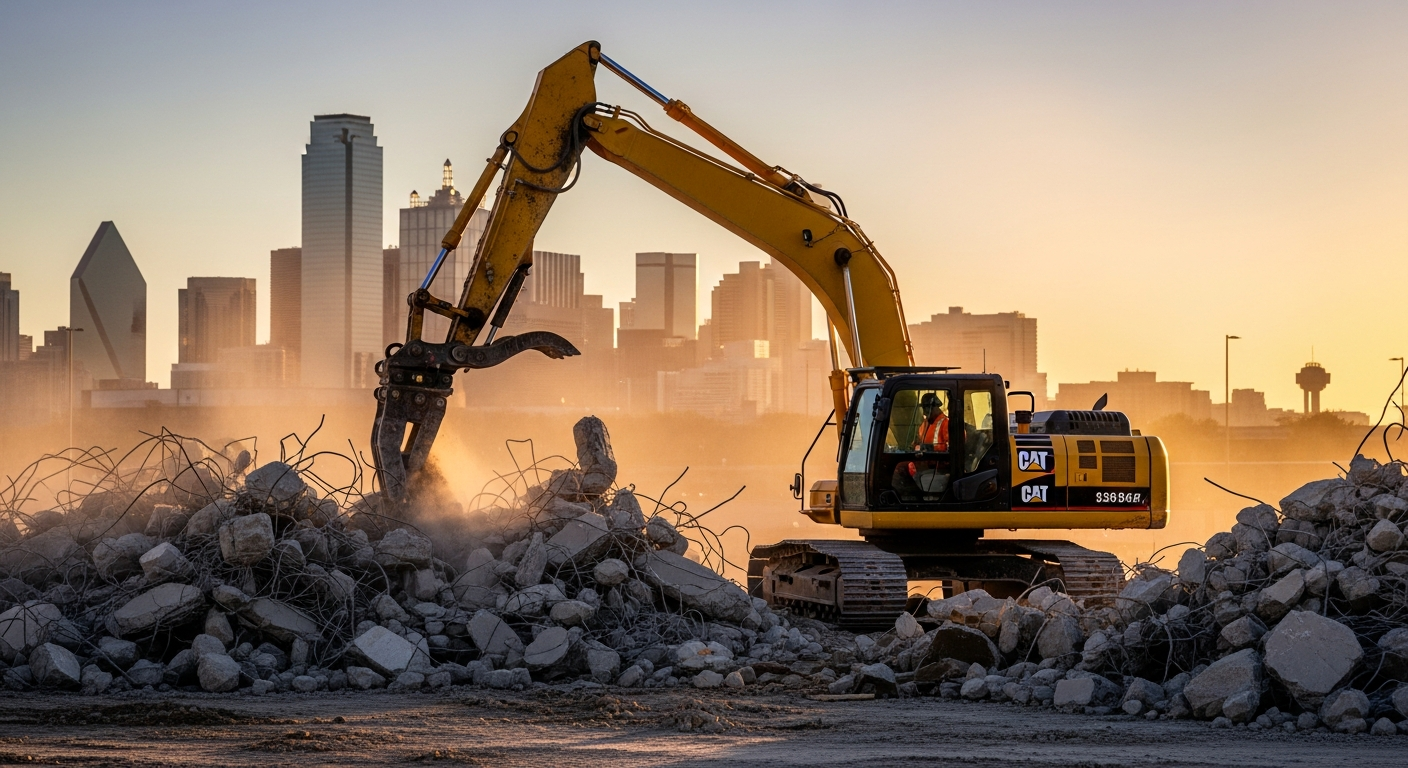

The Texas skyline is constantly changing - from new construction projects rising in Dallas to hurricane damage repairs in Houston and commercial renovations in Austin. While debris removal contractors are essential to keeping these projects moving forward, their work environment is filled with insured risks that can threaten their business overnight. A single worksite accident, damaged client property, or lawsuit could lead to financial devastation without proper insurance protection. Texas debris removal contractors face unique challenges that standard business policies often fail to address adequately, from extreme weather liabilities to specialized equipment exposures. Understanding and securing the right insurance portfolio isn't just a compliance formality - it's what separates thriving contractors from those who become statistics in the highly competitive Texas construction landscape.
Essential Insurance Policies for Texas Debris Removal Contractors
Every debris removal operation in Texas requires a foundational insurance package that addresses the most common and severe risks inherent to this industry. These core policies work together to create a safety net that protects your business assets, employees, and financial stability. While specific needs vary based on your contract requirements, equipment value, and team size, certain coverages are non-negotiable for Texas contractors operating in this high-risk sector. The consequences of operating without adequate protection can be catastrophic, particularly in a state with Texas' unique legal environment and weather patterns that frequently lead to insurance claims.
General liability insurance forms the bedrock of your protection strategy, covering third-party bodily injuries, property damage, and personal/advertising injuries. Imagine a scenario where a falling piece of debris injures a pedestrian near your Austin worksite or your equipment accidentally damages a client's adjacent structure. Without this coverage, your business would be responsible for medical expenses, legal fees, and settlement costs that could easily reach six figures. In Texas, where premises liability laws favor property owners, this protection becomes even more critical for contractors working on client properties.
Commercial auto insurance is equally vital for Texas debris removal operations, as your vehicles face constant exposure on the state's extensive highway system and urban worksites. Standard personal auto policies typically exclude coverage when vehicles are used for business purposes, creating dangerous coverage gaps. This policy should extend beyond state minimum requirements to account for the higher risks associated with hauling heavy loads, operating specialized equipment, and frequent worksite entries/exits. Given Texas' high rate of traffic accidents and the substantial damage potential of loaded debris trucks, adequate liability limits and physical damage coverage are essential investments.
Workers' Compensation Insurance Requirements
Texas maintains unique workers' compensation regulations that distinguish it from most other states. While coverage isn't legally mandated for most private employers, operating without it exposes your business to potentially unlimited liability for workplace injuries. The Texas workers' compensation system provides crucial protection for both employees and employers, covering medical treatment, lost wages, and disability benefits for work-related injuries or illnesses. For debris removal contractors, whose teams face constant exposure to heavy machinery, falling objects, and hazardous materials, this coverage becomes particularly important.
Consider the financial implications if a crew member suffers a serious injury while operating wood chippers or handling construction debris containing hazardous materials. Without workers' compensation coverage, your business could be responsible for all medical costs, ongoing care, and lost wages through direct lawsuits. The Texas Department of Insurance reports that employers who opt out of the workers' compensation system face significantly higher litigation costs and settlement amounts. Even if you classify workers as independent contractors, misclassification challenges could still leave you liable, making proper coverage essential for risk management.
Specialized Coverage Options for Enhanced Protection
Beyond foundational policies, Texas debris removal contractors should consider specialized coverages that address industry-specific exposures. These additional protections bridge critical gaps left by standard policies and provide comprehensive security against the unique challenges faced by debris removal operations across Texas. From seasonal weather threats to equipment breakdowns, these specialized policies ensure your business can withstand unexpected setbacks without jeopardizing financial stability.
Commercial property insurance protects your business assets, including offices, storage facilities, and equipment, from covered perils like fire, theft, or severe weather. For Texas contractors, this coverage should specifically account for the region's vulnerability to hurricanes, tornadoes, and hail storms that can devastate unprotected equipment yards. Inland marine insurance extends this protection to equipment and materials while in transit or at job sites, covering expensive machinery like wood chippers, dump trailers, and skid steers that frequently move between locations. This mobile equipment coverage is particularly valuable given the transient nature of debris removal work throughout Texas.
Tools and equipment coverage addresses the gap left by standard property policies that may exclude or limit protection for smaller, high-value items that are essential to daily operations. From chainsaws and generators to safety equipment and hand tools, replacing these items simultaneously following theft or damage could create significant cash flow challenges. Many Texas contractors discover too late that their general policy provides inadequate limits for specialized tools, leaving them underinsured when claims occur.
Pollution Liability for Texas Contractors
Pollution liability represents one of the most overlooked yet critical coverages for Texas debris removal operations. Standard general liability policies typically contain absolute pollution exclusions that leave contractors vulnerable to substantial claims involving mold, asbestos, chemical contamination, or other environmental hazards. When working with demolition debris, flood-damaged materials, or older structures, the potential for encountering hazardous substances is significant throughout Texas.
This specialized coverage responds to third-party bodily injury, property damage, and cleanup costs resulting from pollution conditions caused by your operations. For example, if your team accidentally disturbs asbestos during a commercial demolition project in Houston or spills fuel from equipment while clearing hurricane debris in Corpus Christi, pollution liability coverage would handle the extensive remediation costs and legal defense. Given Texas' robust environmental regulations and the prevalence of older building materials containing lead or asbestos, this protection is increasingly becoming a contractual requirement for municipal and commercial projects.
Navigating Texas-Specific Insurance Considerations
Texas presents unique insurance challenges for debris removal contractors that require specialized understanding and strategic planning. The state's distinct legal environment, extreme weather patterns, and regulatory framework demand insurance solutions tailored specifically to regional risks rather than generic national policies. Contractors who recognize these Texas-specific factors can secure more appropriate coverage and avoid costly coverage gaps that might otherwise go unnoticed until a claim occurs.
Texas windstorm and hail coverage deserves particular attention for contractors operating in coastal counties or regions prone to severe weather. Standard property policies often contain separate deductibles or limitations for wind and hail damage that can create unexpected out-of-pocket expenses following Texas' frequent severe thunderstorms and hurricane seasons. Additionally, many policies exclude flood damage entirely, requiring separate coverage through the National Flood Insurance Program or private markets. Given that debris removal contractors are often busiest following weather events, ensuring your business can quickly recover from property damage is essential for maintaining operations when demand peaks.
The Texas legal environment also influences insurance strategy, particularly regarding liability limits and lawsuit protections. Texas' reputation for high-value lawsuits and plaintiff-friendly venues in certain counties means adequate liability limits are particularly important. Many contractors find that increasing liability limits provides significant protection at relatively modest additional premium costs. Additionally, umbrella insurance offers an efficient method for extending liability coverage across multiple underlying policies, providing extra security against catastrophic claims that could exceed primary policy limits.
Cost Management Strategies for Texas Contractors
While comprehensive insurance protection represents a significant business expense, Texas debris removal contractors can implement several strategies to manage costs without compromising coverage quality. Insurance premiums are calculated based on perceived risk, so demonstrating effective risk management practices can directly translate to lower insurance costs. From safety programs to policy structuring, these approaches help balance comprehensive protection with budget considerations.
Developing and documenting robust safety protocols represents one of the most effective methods for controlling insurance expenses. Insurance providers offer preferential pricing to contractors who implement formal safety programs, conduct regular equipment maintenance, provide ongoing employee training, and maintain thorough incident documentation. These measures reduce claim frequency and severity, making your business more attractive to insurers. Many Texas providers offer specific credits for safety measures like drug-free workplace programs, certified equipment operators, and documented daily site inspections.
Strategic policy structuring also offers significant cost management opportunities. Higher deductibles can substantially reduce premium costs, though this approach requires ensuring your business maintains adequate cash reserves to cover the deductible amount if a claim occurs. Similarly, bundling multiple policies with the same carrier often generates meaningful discounts while simplifying administration. Many Texas insurance providers offer business owner's policies (BOPs) that combine property and liability coverage at lower rates than separate policies, though debris removal contractors should verify these packaged solutions adequately address their specialized exposures.
Consider these additional cost management approaches that Texas debris removal contractors frequently utilize:
- Pay-in-full discounts for annual premium payments versus installment plans
- Claims-free credits rewarded to businesses with clean loss histories
- Industry association membership discounts through groups like AGC or ABC
- Experience modification factors that reward safer operations with lower workers' compensation costs
- Annual policy reviews to eliminate redundant coverage and adjust limits based on current operations
Regular coverage evaluations with an insurance professional familiar with the Texas debris removal industry can identify additional savings opportunities while ensuring your protection remains aligned with current business activities. As your operation evolves - whether through expanded services, new equipment acquisitions, or geographic growth - your insurance portfolio should adapt accordingly to maintain optimal cost-effectiveness and comprehensive protection.
Selecting the Right Texas Insurance Provider
Choosing an insurance provider familiar with Texas debris removal operations is as important as selecting the right coverages. Specialized insurers understand the unique risk profile of your business and can offer more appropriate coverage terms, competitive pricing, and superior claims handling. The difference becomes particularly evident when filing complex claims involving equipment damage, worksite injuries, or pollution incidents where specialized knowledge accelerates resolution and maximizes recovery.
When evaluating potential providers, prioritize those with demonstrated experience insuring Texas construction and debris removal businesses. These specialists better understand regional exposures, regulatory requirements, and contractual insurance demands from Texas municipalities and general contractors. They're more likely to offer appropriate endorsements for things like vacant property liability, wrecking operations, or owned equipment at remote job sites - coverages that standard business insurers might not fully appreciate or properly structure.
The claims handling reputation and financial stability of potential insurers deserve careful investigation. Texas contractors should verify provider ratings through independent agencies like A.M. Best and review customer feedback regarding claims responsiveness. Following Texas weather events, the quality of claims service can determine whether your business recovers quickly or faces prolonged interruptions. Local Texas providers often offer advantages in claims responsiveness through regional adjusters familiar with Texas contractors and regulatory requirements.
Secure multiple quotes from specialized providers to compare coverage terms, limits, exclusions, and premiums. The least expensive option frequently comes with critical coverage limitations or excessive deductibles that create financial vulnerability. Instead, focus on identifying providers offering comprehensive protection at competitive rates with responsive service reputations. An experienced Texas insurance agent specializing in contractor coverage can provide invaluable guidance through this selection process, helping navigate complex policy language and identifying potential coverage gaps specific to debris removal operations.
Your insurance portfolio should evolve alongside your Texas debris removal business, with regular reviews ensuring adequate protection as operations expand, contracts change, and new risks emerge. The right coverage provides more than just compliance with contractual requirements - it delivers the confidence to pursue growth opportunities knowing your business foundation remains secure against unexpected setbacks. In Texas' dynamic debris removal market, comprehensive insurance protection isn't an expense but an investment in sustainable business operations and long-term profitability.