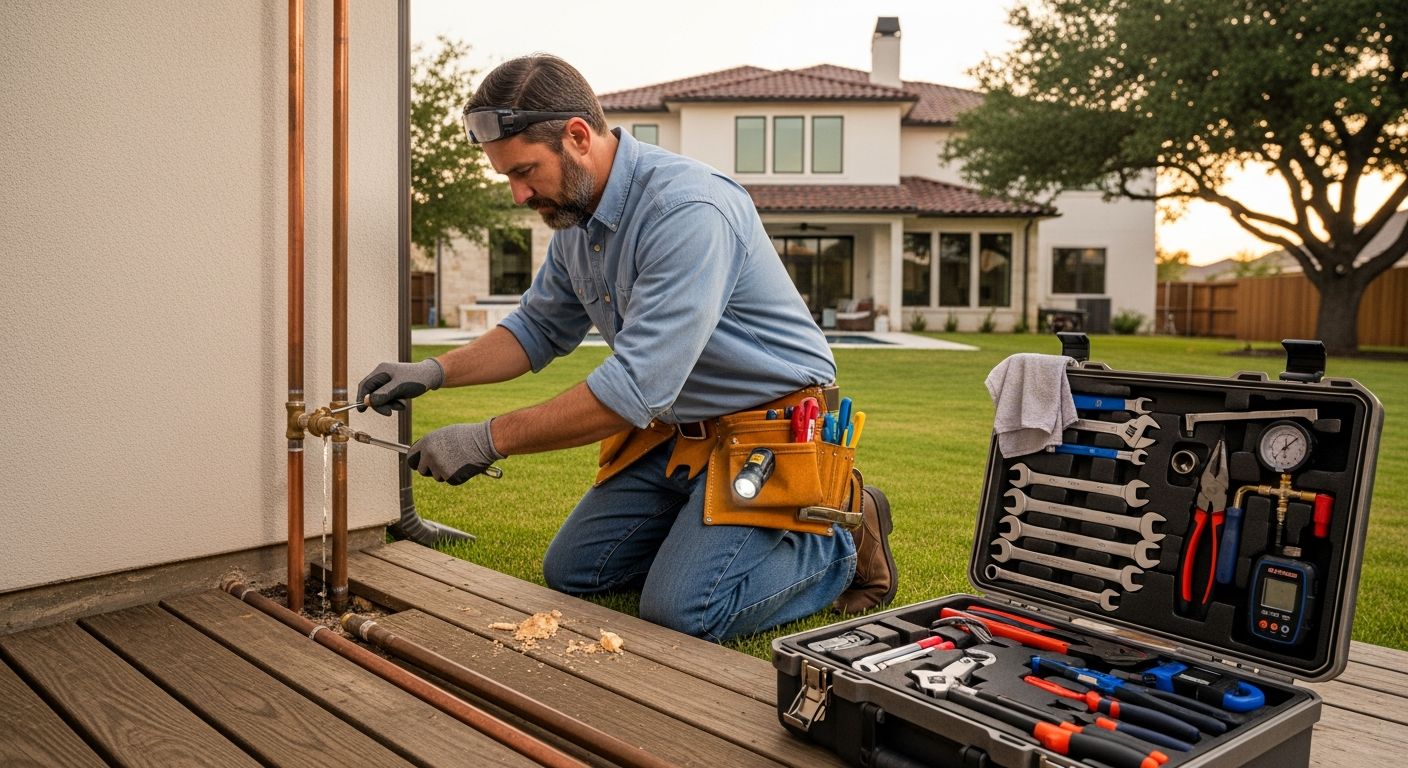

As a Texas handyman, your reputation depends on the quality of your work and your reliability. But what happens when a client trips over your toolbox and breaks an arm? Or when a simple plumbing repair accidentally causes thousands in water damage? In the Lone Star State's competitive repair market, a single incident can destroy both your business and personal finances. Texas handyman insurance provides the critical safety net that keeps repair contractors operating securely when accidents inevitably occur. Whether you're a general handyman, maintenance technician, or specialized repair professional, understanding your coverage options isn't just smart business practice - it's essential for long-term survival in Texas's demanding construction services industry.
What is Handyman Insurance in Texas?
Handyman insurance in Texas refers to specialized insurance policies designed specifically for repair contractors, maintenance professionals, and general handymen operating within the state. These policies provide financial protection against common risks faced by service professionals, including property damage, bodily injury claims, and business interruptions. Unlike standard business insurance, handyman coverage accounts for the diverse range of tasks these professionals perform - from basic home repairs and minor renovations to equipment maintenance and emergency services. The Texas Department of Insurance regulates these policies to ensure they meet state requirements while providing adequate protection for both contractors and their clients.
Texas handyman insurance differs from other business coverage in several key aspects. First, it's typically written as a business owner's policy (BOP) that bundles multiple coverages into a single package, making it more affordable for small to medium-sized operations. Second, these policies account for the mobile nature of handyman work, covering tools and equipment that travel between job sites. Third, Texas-specific regulations require certain minimum coverages that address common risks in the state, such as weather-related damages and liability concerns unique to Texas property law. Understanding these distinctions helps handymen select appropriate coverage rather than relying on generic business insurance that may leave critical gaps.
Essential Insurance Coverage for Texas Repair Contractors
Every handyman business in Texas needs core insurance protection to operate legally and safely. The foundation of proper coverage begins with three essential policy types that address the most common risks repair contractors face daily. Without these basic protections, even a minor incident can result in financial catastrophe that could end your business permanently.
General Liability Insurance
General liability insurance serves as the cornerstone of handyman protection in Texas. This coverage addresses third-party claims of bodily injury or property damage caused by your business operations. For example, if a client slips on a wet floor you just mopped and sustains back injuries, general liability would cover their medical expenses and any resulting legal fees. Similarly, if you accidentally damage a client's antique furniture while moving it for repairs, this policy would pay for restoration or replacement. Texas law doesn't technically require general liability for handymen, but most clients and property management companies will demand proof of coverage before allowing work on their premises.
The coverage limits for Texas general liability insurance typically start at $500,000 per occurrence, with $1 million aggregate limits being standard for most handyman operations. However, contractors working on larger projects or commercial properties may need increased limits of $2 million. Premium costs vary based on your annual revenue, number of employees, and the specific services you offer. Electrical work, roofing repairs, and plumbing services typically carry higher premiums due to their increased risk profiles. Most Texas insurers offer occurrence-based policies, which cover claims for incidents that happen during the policy period regardless of when the claim is filed.
Commercial Auto Insurance
Texas handymen who use vehicles for business purposes require commercial auto insurance rather than relying on personal auto policies. This distinction is critical because personal auto policies typically exclude coverage for accidents that occur while using your vehicle for business activities. If you're transporting tools to a job site or making supply runs for clients and get into an accident, personal insurance may deny your claim entirely. Commercial auto policies protect your business vehicles, including vans, trucks, and trailers, against collision damage, theft, and liability claims arising from business use.
Texas requires minimum liability coverage of 30/60/25 for commercial vehicles, meaning $30,000 per person for bodily injury, $60,000 per accident for bodily injury, and $25,000 for property damage. However, most handyman businesses opt for higher limits of 100/300/100 given the frequent transportation of expensive tools and equipment. Additional coverages like comprehensive and collision protection are crucial for handymen whose vehicles contain thousands of dollars in specialized tools. Uninsured motorist coverage is particularly important in Texas, which has one of the highest rates of uninsured drivers in the nation at approximately 20%.
Tools and Equipment Coverage
Tools and equipment coverage, often called inland marine insurance, protects your business against financial loss when your tools are stolen, damaged, or destroyed. For Texas handymen, this represents one of the most valuable protections since your livelihood depends entirely on having functional equipment. Standard property insurance typically excludes tools that travel off-premises, creating significant coverage gaps for mobile repair professionals. Tools and equipment insurance follows your tools wherever they go - whether they're in your vehicle, on a job site, or in temporary storage.
This coverage applies to everything from power tools and ladders to specialized testing equipment and work trailers. Most policies cover theft, fire damage, vandalism, and accidental damage, though some exclude wear and tear or mechanical breakdown. Texas handymen should maintain detailed inventories of their tools, including serial numbers, purchase dates, and replacement values, to streamline claims processing. Many insurers offer scheduled coverage for high-value individual items and blanket coverage for smaller tools collectively. Typical deductibles range from $250 to $1,000, with premiums based on the total value of your insured equipment and your claims history.
Additional Insurance Options for Texas Handymen
Beyond the essential coverages, several additional insurance options provide enhanced protection for specific risks faced by Texas repair contractors. These supplemental policies address gaps in standard coverage and protect against less common but potentially devastating scenarios.
Professional liability insurance, also known as errors and omissions coverage, protects against claims of negligence, mistakes, or failure to deliver promised services. While general liability covers physical damage, professional liability addresses financial losses your clients suffer due to your work. For example, if you incorrectly install a water heater that subsequently fails and floods a client's basement, causing damage to finished walls and flooring, professional liability would cover the repair costs that general liability might exclude. This coverage is particularly important for handymen who provide consulting services or work on complex systems where errors can have significant consequences.
Workers' compensation insurance becomes essential once you hire employees in Texas. While Texas doesn't require most private employers to carry workers' comp, operating without it exposes your business to potentially massive liability if an employee gets injured on the job. This coverage pays for medical treatment, rehabilitation costs, and lost wages for work-related injuries or illnesses. Even if you only have one part-time helper, the financial risk of an injury claim could easily bankrupt a small handyman business. Texas offers competitive rates for workers' comp through private insurers, with premiums based on your payroll amounts and the risk classification of the work performed.
Business interruption insurance provides crucial financial support when unexpected events force you to temporarily close your handyman business. For instance, if your workshop is damaged by one of Texas's frequent severe storms or a vehicle accident leaves you unable to transport tools to job sites, this coverage replaces lost income and helps cover ongoing expenses like insurance premiums, loan payments, and employee salaries. The policy typically kicks in after a 48-72 hour waiting period and can provide coverage for several months while you restore operations. This protection is particularly valuable for handymen who rely on continuous cash flow to maintain their businesses.
Legal Requirements for Handymen in Texas
Understanding Texas's legal landscape helps handymen operate compliantly while minimizing regulatory risks. The state maintains specific requirements that impact how repair contractors structure their insurance coverage and business operations.
Texas doesn't require state-level licensing for general handymen, though certain specialized trades like electrical work, plumbing, and HVAC installation do require specific licenses. However, many municipalities enforce local licensing or registration requirements for handymen operating within their jurisdictions. For example, Houston requires handymen to register with the city and provide proof of general liability insurance. Similarly, Dallas mandates registration for contractors performing work valued over a certain amount. Always check with local building departments before commencing work in new areas to ensure compliance with municipal regulations.
Insurance requirements vary across Texas municipalities and by client type. While no state law mandates general liability insurance for handymen, most reputable clients will require proof of coverage before hiring contractors. Property management companies, general contractors, and commercial clients almost universally require minimum liability limits of $1 million per occurrence. Some may also demand additional insured status, which extends your liability protection to cover them for claims arising from your work. Working without requested insurance can result in lost contracts, breach of agreement claims, and difficulty securing future work from established clients.
Texas handymen must also navigate the state's unique workers' compensation system. Texas remains the only state where workers' comp coverage is optional for most private employers. While this provides flexibility, it also creates significant liability exposure since injured employees can sue their employers for workplace injuries. Without workers' comp coverage, handymen face unlimited personal liability for employee injuries. Those who opt out of the traditional system should consider occupational accident insurance as an alternative way to protect both employees and the business itself from workplace injury costs.
Cost Factors for Handyman Insurance in Texas
Insurance premiums for Texas handymen vary significantly based on multiple risk factors that insurers evaluate during underwriting. Understanding these variables helps contractors manage costs while maintaining adequate protection.
Key factors influencing handyman insurance costs in Texas include:
- Annual Revenue: Higher revenue typically correlates with increased premium costs since it indicates more work and greater exposure to potential claims
- Services Offered: Riskier services like roofing, electrical work, or tree removal command higher premiums than basic handyman tasks
- Claims History: Previous insurance claims, particularly recent ones, can substantially increase your premiums
- Coverage Limits: Higher liability limits and lower deductibles result in premium increases
- Number of Employees: More employees means greater workers' comp exposure and higher liability risks
- Business Experience: Newer handyman businesses often pay higher rates until they establish a track record of safe operations
Texas handymen can employ several strategies to reduce insurance costs without sacrificing essential protection. Bundling multiple policies with the same insurer typically generates significant discounts - often 10-20% off separate policy premiums. Implementing robust safety protocols, conducting regular equipment maintenance, and providing employee training can also qualify your business for premium credits. Choosing higher deductibles lowers your premium costs, though this increases your out-of-pocket expenses when claims occur. Finally, working with an independent insurance agent who specializes in contractor coverage can help identify the most competitive rates from multiple carriers.
Selecting the Right Insurance Provider in Texas
Choosing an appropriate insurance provider requires careful evaluation of both coverage terms and the insurer's reputation for handling claims. The right partner not only provides financial protection but also offers guidance when incidents occur.
Look for insurers with demonstrated experience servicing Texas contractors and specific familiarity with handyman operations. Established providers understand the unique risks repair professionals face and can offer tailored coverage enhancements that generic business insurers might overlook. Verify the company's financial strength through independent rating agencies like A.M. Best or Standard & Poor's, as this indicates their ability to pay claims even during economic downturns. Texas-based insurers often provide advantages like localized claims handling and deeper understanding of state-specific regulatory requirements.
The claims process represents the most critical aspect of any insurance policy. Before purchasing coverage, investigate how efficiently potential insurers handle claims through online reviews, Better Business Bureau ratings, and conversations with other Texas handymen. Prompt claims processing can mean the difference between a minor business interruption and financial disaster. Ensure the insurer offers 24/7 claims reporting and has local adjusters available throughout Texas. Additionally, verify whether they have a network of preferred repair vendors who can quickly address damages to your tools, vehicles, or property, minimizing your downtime after an incident.
Proper handyman insurance provides more than just financial protection - it establishes credibility with clients, complies with contractual requirements, and ensures business continuity when unexpected incidents occur. By understanding the specific coverage needs of Texas repair contractors and selecting appropriate policies from reputable providers, handymen can focus on growing their businesses with confidence, knowing they're protected against the unique risks of their profession in the Lone Star State.