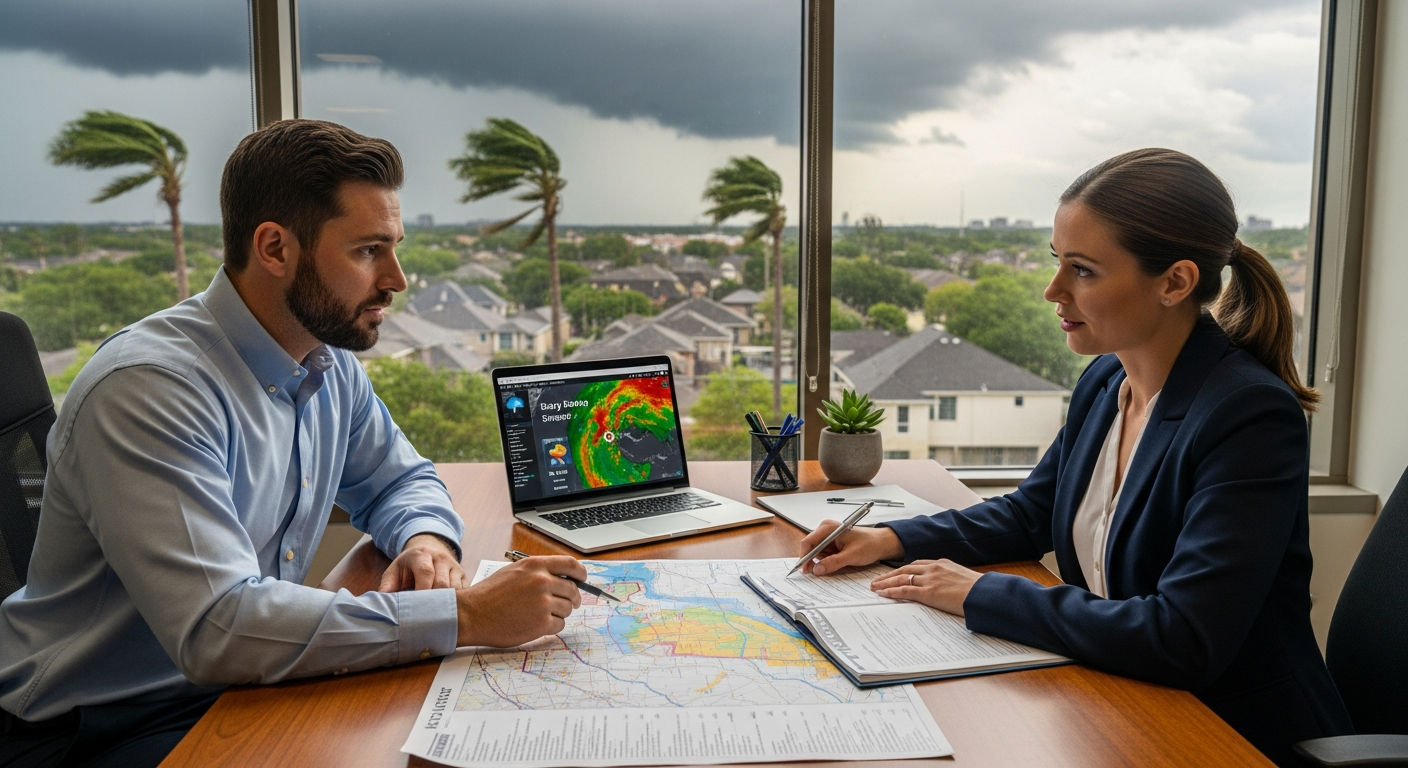

As a Houston homeowner, you've likely witnessed firsthand how quickly our city's weather can turn from sunny skies to threatening storms. With our proximity to the Gulf Coast and vulnerability to severe weather systems, standard home insurance policies often leave dangerous gaps when wind damage or floodwaters threaten your property. Understanding the nuances between flood insurance and windstorm coverage isn't just advisable-it's essential for protecting what may be your largest financial investment. Many residents discover too late that their basic Texas home insurance policy excludes these critical perils, leaving them financially exposed during hurricane season and beyond.
Why Standard Home Insurance Falls Short in Houston
Most traditional homeowners insurance policies in Texas provide solid protection against common risks like fire, theft, and liability claims, but they typically contain specific exclusions for flood damage and often for wind damage in high-risk coastal areas. This coverage gap exists because standard actuarial models-which insurance companies use to calculate risk and set premiums-aren't designed to account for the catastrophic potential of widespread flooding or hurricane-force winds. Insurance providers consider these events too financially devastating to include in standard policies without significant additional premiums.
Houston's unique geography and climate create particular vulnerabilities that standard policies don't adequately address. Our city's flat topography, clay soil composition, and extensive development have increased flooding risks even from routine heavy rainfall events. Meanwhile, our position along the Gulf Coast makes us susceptible to tropical storms and hurricanes that can bring destructive winds hundreds of miles inland. After major weather events like Hurricane Harvey, many homeowners discovered that their insurance didn't cover the specific type of water damage they experienced, leading to financial hardship and complicated recovery processes.
Understanding Flood Insurance in Houston
Flood insurance is a specialized policy that covers damage specifically caused by flooding, which is typically defined as water entering your home from ground level rising due to excess rainfall, storm surge, or overflowing bodies of water. This differs fundamentally from water damage coverage in standard policies, which generally only protects against internal issues like burst pipes or appliance overflows. In Houston, where flooding can occur even outside designated flood zones, this distinction becomes critically important.
The National Flood Insurance Program (NFIP), administered by FEMA, provides most flood insurance policies in the United States, though private flood insurance options have become increasingly available in Texas. NFIP policies offer building coverage up to $250,000 and contents coverage up to $100,000 for residential properties. It's important to understand that there's typically a 30-day waiting period between purchasing an NFIP policy and when coverage begins, so waiting until a storm is forecast is not a viable strategy. Private flood insurance may offer higher coverage limits, additional living expenses, and sometimes shorter waiting periods, though availability depends on your specific location and risk factors.
When considering flood insurance, Houston homeowners should evaluate several key factors:
- Your flood zone designation: FEMA maps assign flood risk levels, but remember that approximately 25% of flood insurance claims come from moderate-to-low risk areas
- Your home's elevation certificate: This document shows your property's elevation relative to base flood elevation, significantly impacting premiums
- Coverage limits and deductibles: Balance adequate protection with affordable premiums through careful deductible selection
- Basement and below-ground coverage: NFIP policies have limitations on below-ground spaces, so understand what's excluded
- Additional coverage options: Some policies offer extra protection for items like debris removal or loss avoidance measures
Even if your mortgage lender doesn't require flood insurance, considering Houston's history of catastrophic flooding events makes this coverage a prudent investment. Remember that flood damage from hurricanes is typically excluded from both standard homeowners policies and windstorm policies, making separate flood coverage essential for comprehensive protection.
Windstorm Coverage Options for Houston Homes
Windstorm coverage protects your home against damage caused by high winds, hurricanes, and hail-all common occurrences in the Houston area. While some standard Texas home insurance policies include wind damage protection, many insurers exclude it in coastal counties or charge significantly higher premiums for this coverage. In these cases, homeowners must turn to the Texas Windstorm Insurance Association (TWIA) for basic protection.
TWIA serves as the insurer of last resort for property owners in designated coastal counties who cannot obtain windstorm coverage through the private market. To qualify for TWIA coverage, your property must meet specific windstorm construction standards, which often requires an inspection to verify compliance. This requirement exists to ensure homes can better withstand hurricane-force winds, ultimately reducing claims and stabilizing premiums for all policyholders. TWIA coverage has specific limits and deductibles that differ from standard homeowners insurance, so it's crucial to understand exactly what protection you're purchasing.
For homeowners who have wind coverage included in their standard policy or purchased as an endorsement, understanding the details of that coverage is equally important. Many policies have separate, higher deductibles for wind and hail damage-often calculated as a percentage of your dwelling coverage rather than a flat dollar amount. For a home insured for $300,000 with a 2% wind deductible, you would be responsible for the first $6,000 of wind-related damage repairs. These percentage deductibles can create significant out-of-pocket expenses following a storm, so homeowners should budget accordingly.
How Flood and Wind Coverage Work Together
During severe weather events in Houston, damage often results from both wind and water, creating complex claims scenarios where determining the primary cause of damage becomes critical. Insurance companies generally follow the "concurrent causation" doctrine, which means they analyze whether wind or water caused the damage first. This determination directly impacts which policy responds-your wind coverage or your flood insurance-and can significantly affect your out-of-pocket costs.
Consider this common hurricane scenario: high winds tear off sections of your roof, allowing rainwater to enter and damage your home's interior. In this case, wind would be considered the proximate cause of the damage, meaning your wind coverage should apply. However, if storm surge floods your home first, weakening the structure before wind causes additional damage, your flood policy would typically be primary. These distinctions become particularly important when you have different coverage limits, deductibles, and policy terms between your flood and wind protection.
To navigate these complexities and ensure proper coverage, Houston homeowners should take these proactive steps:
- Document your property thoroughly with photos and videos before storm season, noting the condition of your roof, windows, and foundation
- Maintain separate policies for flood and wind coverage with overlapping effective dates to eliminate coverage gaps
- Understand the specific exclusions and limitations in each policy, particularly regarding additional living expenses during repairs
- Work with an insurance professional who understands Houston's unique risks and can help you coordinate coverage appropriately
- Review your coverage annually to account for changes in your home's value, rebuilding costs, and updated risk assessments
Proper documentation becomes especially valuable when filing claims involving both wind and water damage. Having before-and-after evidence can help support your case when insurers debate causation. Additionally, consider that some damage prevention measures-like hurricane shutters or reinforced garage doors-may qualify for premium discounts on both your homeowners and windstorm policies.
Navigating the Claims Process After Severe Weather
Following significant weather events in Houston, the insurance claims process can become overwhelming, particularly when multiple types of damage occur simultaneously. Understanding the proper procedure before disaster strikes can significantly reduce stress and improve your outcomes. The first step after ensuring your family's safety is to document all damage thoroughly with photographs and videos before making temporary repairs to prevent further damage. Keep all receipts for these temporary repairs and any additional living expenses if you're displaced from your home.
When filing claims, you'll typically need to contact both your windstorm insurer and flood insurer separately, as these are distinct policies with different claims processes. Provide each insurer with your documentation and a detailed description of the damage. Be prepared for the possibility that the insurance companies may send different adjusters to assess the damage, and that these adjusters might have differing opinions about what caused specific elements of damage. In these situations, your thorough documentation becomes invaluable evidence to support your claim.
If you encounter disputes about whether wind or water caused specific damage, don't hesitate to seek assistance from a public adjuster or legal counsel specializing in insurance claims. The Texas Department of Insurance also provides resources and assistance for consumers navigating complicated claims. Remember that Texas law requires insurers to acknowledge claims promptly, begin investigations within reasonable timeframes, and pay valid claims within specified periods after reaching agreement on the amount owed.
Maximizing Your Protection as a Houston Homeowner
Beyond securing appropriate insurance coverage, Houston homeowners can take proactive measures to reduce their vulnerability to wind and flood damage. Many of these improvements not only protect your property but may also qualify you for insurance premium discounts. For wind protection, consider reinforcing your roof with hurricane clips, installing impact-resistant windows or storm shutters, and ensuring your garage door meets current wind-resistance standards. For flood mitigation, evaluate landscaping improvements that direct water away from your foundation, install backflow valves in your plumbing system, and consider elevating critical utilities like HVAC systems and electrical panels.
Regular maintenance plays a crucial role in minimizing potential damage. Before hurricane season each year, inspect your roof for loose or damaged shingles, clean gutters and downspouts to ensure proper drainage, trim trees that could damage your home in high winds, and verify that your sump pump is functioning properly if you have one. These relatively simple steps can prevent minor issues from becoming major problems during severe weather events.
Finally, develop a comprehensive emergency plan that includes securing important documents-including insurance policies-in a waterproof container, creating digital copies stored securely online, and maintaining an inventory of your home's contents with photographs or videos. Knowing your policy details, coverage limits, and deductibles before disaster strikes enables you to act quickly and confidently when protecting your home and family.
Houston's weather challenges require specialized insurance solutions that go beyond standard homeowners policies. By understanding the distinct roles of flood insurance and wind coverage, properly coordinating these protections, and taking proactive measures to reduce your risk, you can create a comprehensive strategy that safeguards your home against our region's unique threats. Regular reviews with an insurance professional who understands Houston's specific needs will ensure your coverage evolves alongside changing weather patterns and building standards, providing peace of mind through whatever weather comes our way.