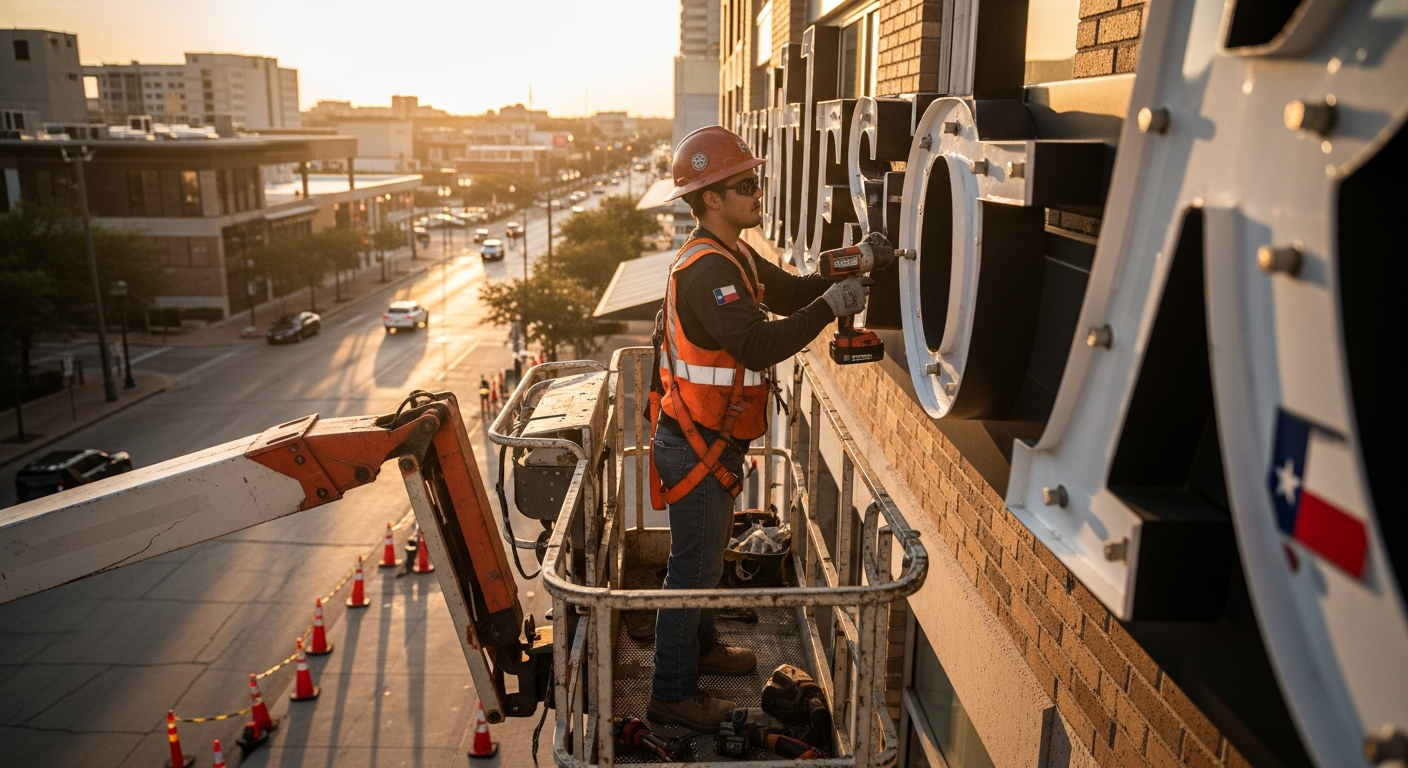

When you're running a sign installation business in Texas, a single accident or lawsuit can threaten everything you've built. From a falling sign in a Dallas windstorm to a client injury on a Houston job site, your company faces unique risks that require specialized protection. Understanding the cost of sign contractor insurance is not just about finding the cheapest policy - it's about ensuring you have the right coverage to protect your Texas business, your employees, and your financial future. While most policies range from $2,500 to $7,500 annually for small to medium-sized sign companies, your actual insurance premium depends on multiple factors specific to your operation and location within the Lone Star State.
Factors That Determine Your Sign Insurance Premium
Insurance providers assess your sign contractor business based on numerous risk factors when calculating your premium. Unlike standardized pricing, your quote will reflect the specific characteristics of your operation and how they align with the insurer's risk assessment models. Understanding these variables helps you make informed decisions about coverage and potentially identify areas where you can reduce your insurance costs through risk management practices.
The size of your operation significantly impacts your premium calculation. A sole proprietor focusing on small retail signage will pay considerably less than a large company handling massive highway billboards and electronic displays. Insurers evaluate your annual revenue, payroll expenses, and the number of employees to gauge your exposure level. Higher revenue and more employees generally translate to increased premiums because there's greater potential for claims. Your location within Texas also matters - urban areas like Houston, Dallas, and Austin typically command higher rates than rural areas due to increased litigation risks, higher property values, and greater regulatory scrutiny.
Your claims history represents one of the most critical factors in determining your insurance costs. Insurance companies view past claims as predictors of future claims. A clean history demonstrates responsible business practices and risk management, potentially qualifying you for preferred rates. Conversely, multiple claims signal higher risk and will likely result in substantially higher premiums. The nature of previous claims also matters - claims related to workplace safety violations or significant property damage weigh more heavily than minor incidents. Texas insurers typically review at least three to five years of claims history when underwriting new policies.
The specific services you provide dramatically affect your insurance costs. Consider these common sign contractor services and their associated risk levels:
- Basic Sign Installation: Lower risk for ground-level signs but increases with height and complexity
- Electrical Sign Services: Higher premiums due to electrical hazards and potential fire risks
- Neon Sign Work: Specialized coverage needed for high-voltage transformers and glass handling
- Billboard Installation/Maintenance: Significant premium increases due to extreme heights and public safety concerns
- Banner and Temporary Sign Installation: Moderate risk but weather-related damage concerns
- Sign Removal Services: Varies based on structure stability and demolition requirements
Each service category carries distinct liability exposures that insurers factor into your premium. Electrical work typically increases costs by 15-30% compared to non-electrical sign services, while billboard work can double or triple standard rates due to the extreme heights and potential for catastrophic incidents.
Essential Coverage Types for Texas Sign Contractors
Building a comprehensive insurance portfolio requires understanding the specific protections available to Texas sign contractors. Each coverage type addresses different aspects of your business risk, and selecting the right combination ensures you're protected against the unique challenges of the sign industry. While you might be tempted to minimize coverage to reduce costs, inadequate protection can prove far more expensive when facing a significant claim.
General liability insurance forms the foundation of your protection strategy. This essential coverage protects against third-party bodily injury, property damage, and personal/advertising injury claims. For sign contractors, this might include scenarios like a falling sign damaging a client's building, a pedestrian injured by improperly stored equipment, or allegations of copyright infringement in your sign designs. In Texas's litigious environment, general liability provides crucial protection against lawsuits that could otherwise devastate your business. Most clients, particularly commercial property managers and general contractors, require proof of general liability coverage before allowing you to work on their properties.
Commercial auto insurance is particularly important for sign contractors who operate service vehicles. Standard personal auto policies typically exclude business use, leaving you vulnerable if an accident occurs while transporting signs, equipment, or traveling between job sites. Commercial auto coverage protects your vehicles, drivers, and cargo while providing liability protection if your business vehicle causes property damage or injuries to others. Given the specialized nature of sign contractor vehicles - which often carry ladders, cranes, and valuable signage - you may need endorsements or specialized policies to ensure proper protection for your equipment and transported signs.
Workers' compensation insurance becomes mandatory in Texas once you hire your first employee, though sole proprietors might still consider it for personal protection. This coverage provides medical benefits and wage replacement to employees injured on the job, regardless of fault. For sign contractors, common claims include falls from heights, electrical shocks, injuries from power tools, and strains from lifting heavy materials. While Texas doesn't mandate workers' comp for all employers, operating without it exposes your business assets to potential lawsuits from injured employees. The premium calculation depends on your payroll, job classifications, and claims history, with higher-risk activities like electrical sign work commanding significantly higher rates.
Tools and equipment coverage protects the specialized gear essential to your sign business. From bucket trucks and cranes to power tools and testing equipment, your business relies on expensive machinery that standard property insurance might not fully cover, especially when transported between job sites. This coverage typically protects against theft, damage, and loss, ensuring that equipment failures don't bring your operations to a halt. Given the high value of specialized sign installation equipment and the mobility required for Texas's widespread service areas, this coverage provides crucial protection beyond what standard business property insurance offers.
Typical Insurance Costs for Texas Sign Contractors
Understanding the typical cost ranges for sign contractor insurance in Texas helps you budget appropriately and identify potentially unreasonable quotes. While your specific premium will vary based on the factors discussed earlier, these benchmarks provide realistic expectations for small to medium-sized sign businesses operating throughout the Lone Star State. Remember that the cheapest policy isn't necessarily the best value - adequate coverage that properly protects your business should be your primary consideration.
General liability insurance typically represents your most fundamental coverage and costs between $800 and $2,500 annually for most small to medium-sized sign contractors in Texas. The variation depends on your revenue, services provided, and claims history. Contractors focusing exclusively on interior signage or small ground-level installations might fall toward the lower end, while those handling electrical components, large exterior signs, or billboards will likely pay higher premiums. Most Texas clients require minimum limits of $1 million per occurrence and $2 million aggregate, though some commercial projects might require higher limits.
Commercial auto insurance costs vary significantly based on your vehicles, drivers, and coverage needs. For a single sign contractor truck in Texas, expect to pay between $1,200 and $2,500 annually. Factors like vehicle age, driver records, cargo value, and specialized equipment (like cranes or lifts) all influence your premium. If you operate multiple vehicles or require specialized coverage for expensive signage during transport, your costs will increase accordingly. Many sign contractors underestimate their commercial auto needs, particularly regarding cargo coverage for expensive signs being transported to installation sites.
Workers' compensation represents one of your most variable costs, heavily dependent on your payroll and the risk classification of your work. In Texas, sign contractors typically pay between $5 and $15 per $100 of payroll for workers' comp coverage. Electrical sign work commands the highest rates due to increased injury risks, while non-electrical installation falls toward the lower end. Your experience modification factor - which adjusts your premium based on your claims history - can significantly increase or decrease these base rates. A strong safety record with no claims might reduce your premium by 10-20%, while multiple claims could increase costs by 25% or more.
Strategies to Reduce Your Insurance Premiums
While insurance represents a necessary business expense, several strategies can help Texas sign contractors manage costs without compromising coverage quality. Implementing these approaches requires proactive risk management and regular policy reviews, but the potential savings make these efforts worthwhile. The most effective insurance cost reduction comes from demonstrating to insurers that your business presents minimal risk through documented safety practices and professional operations.
Developing and implementing a formal safety program represents one of the most effective ways to reduce your insurance costs over time. Insurance providers reward businesses that proactively manage risks with lower premiums and more favorable terms. Your safety program should include regular equipment inspections, documented safety protocols for high-risk tasks like working at heights, comprehensive employee training, and incident investigation procedures. Many Texas insurers offer premium discounts of 5-15% for contractors with certified safety programs, particularly those focusing on fall protection, electrical safety, and proper equipment operation - all critical areas for sign installation businesses.
Carefully evaluating and selecting your policy limits and deductibles can significantly impact your premium costs. Higher deductibles typically lower your annual premium, but ensure you can comfortably cover the deductible amount if a claim occurs. Similarly, avoiding excessively high coverage limits beyond your actual exposure can reduce costs without meaningful protection loss. Consider your typical project sizes, client requirements, and asset values when determining appropriate coverage levels. Many Texas sign contractors find that a $1 million general liability limit satisfies most client requirements while keeping premiums manageable, though larger projects might require additional coverage.
Bundling multiple policies with the same insurer often unlocks valuable discounts. Many insurance companies offer package policies specifically designed for contractors that combine general liability, property coverage, and sometimes inland marine protection for tools and equipment. These business owner's policies (BOPs) typically cost 10-20% less than purchasing each coverage separately. When comparing quotes, ask about package options and ensure they include all the specialized protections sign contractors need. Some Texas insurers offer contractor-specific packages that include relevant endorsements for installation floaters, completed operations coverage, and tools/equipment protection.
Regularly comparing quotes from multiple Texas-specific insurance providers ensures you're getting competitive rates. The insurance market fluctuates, and different carriers may offer better terms for your specific type of sign work. Consider working with an independent insurance agent who specializes in contractor coverage and understands the unique aspects of the sign industry. These professionals can access multiple carriers and help you identify the best combination of coverage and cost. Plan to review your insurance program annually, particularly if your business has experienced significant growth, added new services, or maintained a strong safety record that might qualify for better rates.
Navigating Texas-Specific Insurance Requirements
Operating as a sign contractor in Texas involves understanding state-specific insurance regulations and requirements that differ from other states. While Texas maintains a generally business-friendly regulatory environment, several unique factors influence your insurance decisions. From certificate of insurance requirements to weather-related considerations, tailoring your coverage to address Texas-specific exposures ensures comprehensive protection for your sign business.
Texas does not require sign contractors to carry general liability insurance at the state level, but practical business considerations make this coverage essential. Most commercial clients, property management companies, and general contractors require certificates of insurance demonstrating adequate liability coverage before allowing you to work on their properties. These requirements often specify minimum coverage limits - typically $1 million per occurrence - and may require additional insured endorsements naming the property owner or general contractor. Failure to maintain proper insurance can prevent you from bidding on profitable projects and limit your business growth opportunities throughout Texas.
The unique Texas weather patterns create specific insurance considerations for sign contractors. High winds, hailstorms, and occasional severe weather events increase the risks associated with sign installation and maintenance. Your liability coverage should account for weather-related damage to installed signs, particularly during the period between installation and client acceptance. Additionally, consider business interruption insurance to protect against income loss when severe weather prevents normal operations. Given Texas's susceptibility to sudden weather changes, ensuring your coverage addresses these exposures provides crucial protection beyond standard policy language.
Texas's workers' compensation system operates differently than most states, offering both traditional workers' comp coverage and alternative options like non-subscriber plans. While traditional workers' comp provides certain legal protections, some Texas businesses opt for alternative arrangements that might offer different cost structures and benefit designs. Navigating these options requires careful consideration of your specific workforce, risk tolerance, and financial capacity. Consulting with a Texas insurance professional experienced in contractor coverage can help you select the approach that best balances protection and affordability for your sign business.
Finding the right insurance coverage at an appropriate cost requires careful evaluation of your specific business needs and risk exposures. The sign contractors who most effectively manage their insurance costs typically combine comprehensive coverage with proactive risk management and regular policy reviews. By understanding the factors that influence your premiums, selecting appropriate coverage types, and implementing cost-saving strategies, you can protect your Texas sign business without compromising financial stability. The right insurance program doesn't just satisfy client requirements - it provides peace of mind knowing your business can withstand the unexpected challenges inherent in sign installation and maintenance.