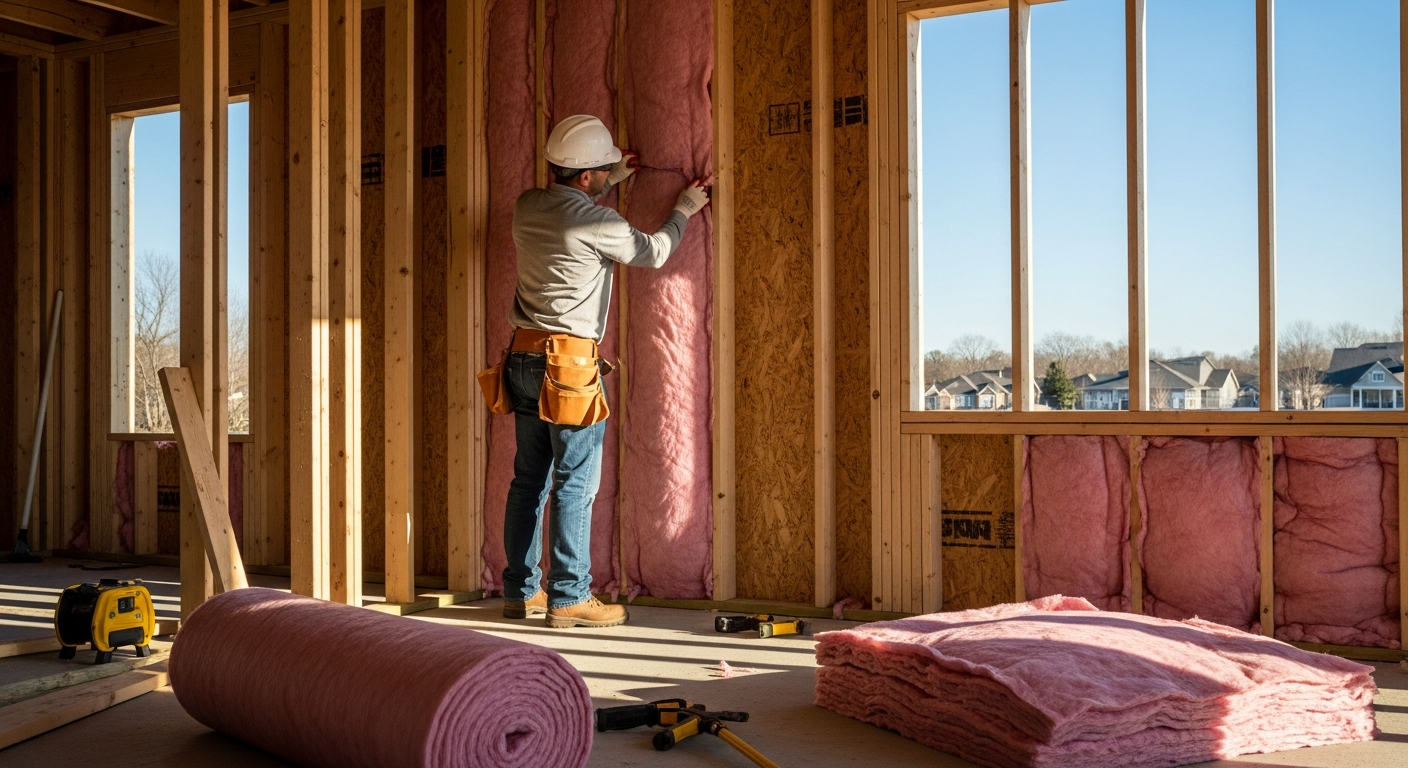

As a Texas insulation contractor, your work involves more than just installing fiberglass batts or spraying foam in attics - you're responsible for creating energy-efficient environments while navigating significant risks. From potential property damage during installation to worker injuries on job sites, the insulation industry presents unique liability challenges that require specialized insurance protection. With Texas' extreme weather conditions ranging from scorching summers to unexpected winter storms, proper coverage isn't just a business formality - it's essential for protecting your livelihood against claims that could otherwise devastate your operation. Finding affordable insulation contractor insurance in Texas requires understanding both state-specific regulations and industry-specific risks to build a comprehensive protection plan that won't break your budget.
Essential Insurance Policies for Texas Insulation Contractors
Building adequate protection for your insulation business begins with understanding the core policies that address your most significant exposures. While general liability forms your foundational coverage, insulation contractors face specialized risks that demand additional protection layers. The nature of your work - whether you focus on residential retrofits, commercial projects, or new construction - significantly influences which policies deliver the most value for your premium dollars. Texas insulation contractors must consider both standard business coverages and specialized protections that address the unique aspects of working with insulation materials and installation techniques.
Different insulation methods present distinct liability profiles that affect your insurance needs. Spray foam contractors, for instance, face chemical exposure risks and potential off-gassing concerns that batt insulation installers don't encounter. Similarly, asbestos abatement specialists require entirely different coverage than those working with modern cellulose or fiberglass materials. Your insurance portfolio should reflect your specific services, with particular attention to coverage exclusions that might leave gaps in your protection. Understanding how different policies interact creates a comprehensive safety net that protects both your business assets and your personal finances from unexpected claims.
General Liability Insurance: Your First Line of Defense
Commercial general liability insurance serves as the cornerstone of protection for insulation contractors across Texas. This policy responds when your business causes property damage or bodily injury to third parties, covering everything from medical expenses to legal defense costs. Imagine a scenario where insulation fibers escape your containment and damage a client's HVAC system, or a misplaced ladder scratches expensive hardwood floors during an attic installation - these are precisely the situations where general liability coverage proves invaluable. In litigation-prone environments like Houston or Dallas, where property values and repair costs run high, this coverage becomes particularly crucial for business survival.
Texas insulation contractors should pay particular attention to their general liability policy limits and endorsements. Standard policies typically exclude pollution-related claims, which can be problematic when working with insulation materials that might release fibers or chemicals. Many insurers now offer endorsements that modify these exclusions specifically for contracting work, providing crucial protection against claims related to indoor air quality or material off-gassing. Your policy should also include completed operations coverage, which protects against claims that arise after your work is finished - such as when insulation settles improperly months after installation, leading to energy inefficiency or moisture problems.
Workers' Compensation: Protecting Your Team
Texas operates as the only state where workers' compensation insurance isn't mandatory for most employers, creating a unique situation for insulation contractors. Despite this legal flexibility, carrying workers' comp remains critically important for protecting both your employees and your business assets. Insulation installation involves significant physical risks - from attic falls and respiratory issues to cuts from utility knives and exposure to irritants - making workplace injuries a realistic concern. Without workers' compensation coverage, you could face direct liability for medical expenses, lost wages, and potential lawsuits from injured employees.
The financial implications of workplace injuries can be particularly severe for smaller insulation operations. A single serious injury could generate medical bills exceeding $50,000, plus potential disability payments and legal costs that could easily threaten your business viability. Many commercial clients and general contractors also require proof of workers' compensation coverage before allowing subcontractors on job sites, making this insurance essential for accessing larger projects. Even if you operate as a sole proprietor with no employees, considering occupational accident coverage provides crucial protection for your own medical costs if injured while installing insulation in cramped attics or crawl spaces.
Specialized Coverages for Enhanced Protection
Beyond the foundational policies, several specialized insurance products address risks unique to insulation contracting. These coverages fill critical gaps that standard business policies frequently exclude, providing protection against scenarios that could otherwise lead to catastrophic financial losses. Texas insulation contractors should evaluate these options based on their specific services, client types, and risk tolerance. The relatively modest additional premiums for these specialized policies often provide disproportionate value when claims occur.
Commercial auto insurance represents one such specialized need, particularly for contractors who operate service vehicles to transport materials and equipment between job sites. Personal auto policies typically exclude business use, creating coverage gaps that could leave you responsible for accident-related costs. Similarly, inland marine insurance (often called contractor's equipment coverage) protects your specialized tools and materials while in transit or on job sites. From insulation-blowing machines to thermal imaging cameras, replacing stolen or damaged equipment represents a significant financial burden that this affordable coverage helps mitigate.
Professional Liability for Insulation Contractors
Often overlooked by insulation contractors, professional liability insurance (also called errors and omissions coverage) protects against claims alleging negligence in your professional services or advice. While general liability covers physical damage, professional liability addresses financial losses resulting from your work. Consider a situation where your R-value calculations prove incorrect, leading to significantly higher energy bills for a commercial client. Or perhaps your moisture barrier recommendations result in condensation problems that require extensive remediation - these professional errors fall outside standard liability coverage but could generate substantial claims.
Texas insulation contractors increasingly need professional liability as building codes become more complex and energy efficiency expectations rise. Homeowners and commercial clients invest significant amounts in insulation upgrades with specific performance expectations, and failure to meet those expectations - even unintentionally - can lead to expensive disputes. This coverage typically includes legal defense costs, which can be substantial even for frivolous claims. As insulation materials and installation techniques grow more sophisticated, the professional advice component of your services expands accordingly, making this coverage increasingly relevant for forward-thinking contractors.
Factors Influencing Your Texas Insurance Premiums
Insurance costs for insulation contractors vary significantly based on multiple risk factors that insurers evaluate during underwriting. Understanding these variables helps you manage premiums while maintaining adequate protection. Your business characteristics - from annual revenue and payroll to claims history and safety protocols - all influence your insurance costs. Texas-specific considerations like regional weather patterns and local building codes also affect premium calculations, making location within the state an important rating factor.
Your specific insulation services dramatically impact your risk profile and associated premiums. Spray foam applicators typically face higher premiums than batt insulation installers due to greater chemical exposure risks and potential for property damage during application. Similarly, contractors working with asbestos abatement or historical properties encounter specialized risks that standard policies might not adequately address without specific endorsements. The age and condition of properties you work on also matter - newer construction typically presents fewer complications than retrofitting older homes with uncertain structural conditions or outdated electrical systems.
Several key factors specifically influence insurance costs for Texas insulation contractors:
- Annual Revenue and Payroll: Higher volumes typically mean more exposure, increasing premium bases for liability and workers' compensation policies
- Claims History:
- Safety Programs:
- Contract Types:
- Geographic Service Area:
- Safety Programs:
Beyond these standard considerations, Texas insulation contractors can implement specific strategies to control insurance costs while maintaining quality coverage. Developing rigorous safety protocols - including fall protection systems, respiratory protection programs, and material handling procedures - demonstrates risk management commitment to insurers. Maintaining detailed documentation of installations, including before-and-after photos and client acknowledgments, provides valuable evidence if disputes arise. Many insurers offer premium discounts for contractors who implement recognized safety programs or participate in industry associations like the Insulation Contractors Association of America.
Navigating Texas-Specific Insurance Requirements
Texas maintains unique insurance regulations that insulation contractors must understand when structuring their coverage. While the state doesn't mandate specific insurance types for most contractors (beyond auto liability for registered vehicles), practical requirements often emerge from other sources. Many municipalities across Texas require proof of insurance for business licensing, and virtually all commercial clients and general contractors impose insurance requirements through contractual agreements. These contractual obligations often exceed state minimums, creating de facto insurance standards for contractors seeking commercial work.
Texas tort reform laws have created a complex liability environment that influences insurance decisions. Modified comparative negligence rules mean contractors can be barred from recovery if found more than 50% responsible for an incident, making proper documentation and risk transfer increasingly important. Additionally, prompt payment laws affecting insurance claim settlements create specific timelines that contractors should understand when dealing with their own claims or those involving their work. These legal nuances make consulting with Texas-specific insurance professionals particularly valuable for insulation contractors operating across multiple jurisdictions within the state.
Certificate of Insurance Management
Proper management of certificates of insurance (COIs) represents a critical administrative function for Texas insulation contractors. These documents provide proof of coverage to clients, general contractors, and regulatory agencies while clearly stating policy limits and effective dates. Most commercial projects require contractors to name additional insureds on their policies, extending protection to property owners or general contractors for liability arising from your work. Understanding these requirements and properly administering COIs prevents contract disputes and ensures continuous project eligibility.
Failure to maintain proper insurance documentation can have immediate business consequences, including work stoppages, contract termination, or difficulty securing future projects. Many Texas insulation contractors utilize automated COI tracking systems to manage expirations and ensure continuous compliance with contractual requirements. When selecting an insurance provider, consider their efficiency in issuing additional insured endorsements and certificates, as delays in this administrative function can impact your ability to begin paying work. Your insurance agent should understand standard Texas additional insured wording and coverage limitations to ensure proper protection for all parties involved in your projects.
Cost-Saving Strategies for Texas Insulation Contractors
Managing insurance expenses requires proactive strategies that balance premium savings with adequate protection. Texas insulation contractors have multiple options for controlling costs without compromising coverage quality. The most significant savings often come from proper risk classification - ensuring your business activities are accurately described to insurers. Misclassification can lead to either overpaying for unnecessary coverage or, worse, coverage gaps that leave you exposed to uncovered claims.
Bundling multiple policies with a single carrier frequently generates substantial premium discounts through package policies or business owners policies (BOPs). These bundled solutions typically cost 15-25% less than purchasing equivalent coverages separately while providing streamlined administration. Many insurers offer additional discounts for implementing specific safety measures, maintaining claims-free histories, or paying premiums annually rather than through installment plans. Working with an independent insurance agent who represents multiple carriers ensures access to these discounts while facilitating apples-to-apples comparisons between competing proposals.
Effective cost management extends beyond initial policy purchase to ongoing risk control measures:
- Implement rigorous safety protocols focusing on fall protection, material handling, and respiratory safety to reduce workplace injury frequency
- Maintain detailed project documentation including contracts, photos, and client communications to defend against potentially fraudulent claims
- Review coverage annually with your insurance professional to eliminate duplicate coverage while addressing new exposures
- Consider higher deductibles for predictable, manageable losses while maintaining lower deductibles for catastrophic exposures
- Invest in employee training to reduce errors during installation that could lead to performance-related claims
Beyond these operational strategies, developing long-term relationships with insurance providers can yield significant advantages. Carriers often offer better terms and more favorable claims handling to contractors they know and trust. Consistently maintaining coverage without lapses demonstrates reliability to insurers, potentially resulting in more competitive renewal terms. For established insulation contractors with strong financials, exploring alternative risk financing options like captive insurance programs or large deductibles might provide additional savings opportunities worth discussing with your insurance advisor.
Finding the Right Insurance Provider in Texas
Selecting an insurance partner who understands both the contracting industry and Texas-specific regulations significantly impacts your coverage experience and costs. Not all insurers properly understand the nuances of insulation contracting, leading to improper risk classification or coverage gaps. Look for providers with demonstrated experience insuring similar contractors and ask specific questions about their familiarity with insulation materials, installation methods, and typical claim scenarios. The right partner should offer guidance beyond simply selling policies, helping you implement risk management strategies that reduce both premiums and claim frequency.
Independent insurance agencies typically provide the broadest market access for Texas insulation contractors, representing multiple carriers with varying appetites for contractor risks. This approach contrasts with captive agents who represent only one insurance company, limiting your options. When evaluating potential providers, consider their responsiveness to certificate requests, claims handling reputation, and technical knowledge about contractor insurance. The best relationships function as partnerships rather than simple vendor arrangements, with your insurance professional proactively identifying emerging risks and coverage opportunities as your business evolves.
Your insurance protection represents a critical investment in your insulation business's longevity and financial stability. By understanding the specific coverage needs of Texas contractors and implementing cost-control strategies, you can build comprehensive protection that addresses your unique risks without straining your budget. Regular policy reviews with a knowledgeable insurance professional ensure your coverage evolves alongside your business, addressing new services, expanded territories, or changing risk exposures. With proper insurance foundations, Texas insulation contractors can confidently focus on growing their businesses while knowing they're protected against the unexpected challenges inherent in their specialized trade.