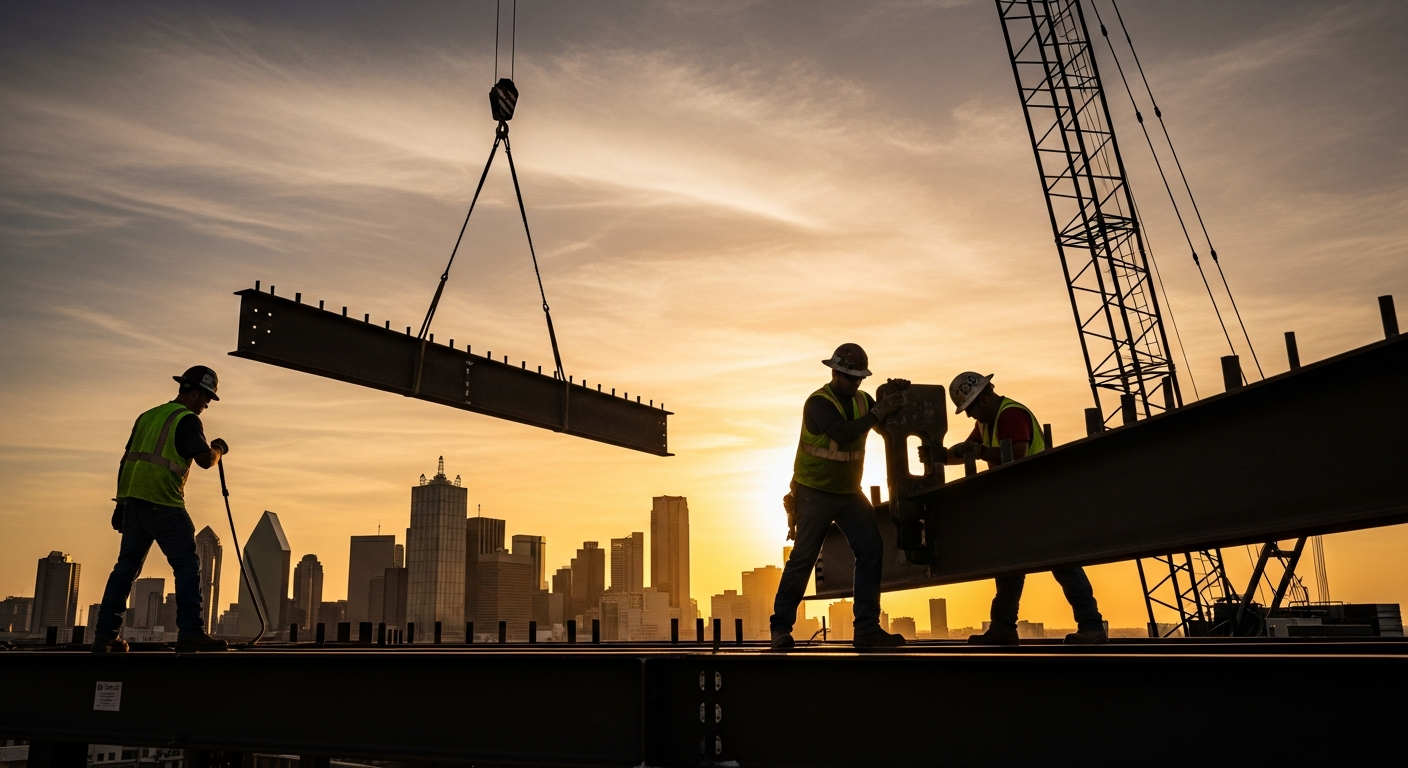

Every day, Texas metal erection contractors face a unique convergence of risks: the structural integrity of steel frameworks, the height of multi-story projects, and the unpredictability of the Texas climate. From the skylines of Dallas and Houston to industrial sites in the Permian Basin, the work is inherently high-stakes. A single incident-a dropped beam, a fall from height, or a welding mishap-can trigger a cascade of financial consequences that threaten the very survival of a business. Standard contractor insurance policies often fall short, leaving critical gaps that can be financially devastating. For Texas-based steel and ironworkers, securing robust metal erection contractor insurance isn't just a compliance checkbox; it's a fundamental pillar of a resilient business strategy designed to handle the high-risk nature of the trade.
Why Standard Insurance Isn't Enough for Texas Metal Erection
Many contractors start with a general liability policy, believing it provides a safety net for most on-site incidents. However, the specialized nature of structural steel and precast concrete erection introduces exposures that standard policies are not designed to cover. General liability typically addresses third-party bodily injury or property damage at ground level, but it often contains exclusions for work performed at significant heights, load-bearing structural components, and the unique process of hoisting and securing steel members. The moment a crane lifts a multi-ton girder into place, the risk profile changes dramatically, and a standard policy may not respond to a claim.
Texas presents its own set of challenges that amplify these risks. The state's rapid commercial and industrial growth means projects are often on accelerated timelines, increasing the potential for human error. Furthermore, Texas weather, from sudden high winds on the Gulf Coast to hailstorms in North Texas, can turn a carefully planned lift into a hazardous situation. Without insurance crafted specifically for the rigors of steel erection, a contractor could be personally liable for crane collapse damages, injuries to specialized ironworkers, or catastrophic failures of the structure itself during construction.
Core Insurance Coverages for Metal Erection Contractors
A comprehensive insurance portfolio for a metal erection business is a multi-layered defense system. Each policy serves a distinct purpose, and together, they create a financial shield against the most common and severe risks faced in the field.
Specialized General Liability for Structural Work
Unlike a standard Commercial General Liability (CGL) policy, a specialized version for metal erectors is crucial. This policy should explicitly cover operations related to structural steel erection, precast concrete placement, and ornamental ironwork. The key is ensuring there are no exclusions for work involving cranes, hoists, or fall protection systems. This policy is your first line of defense if your work causes property damage or bodily injury to a third party. For example, if a beam being positioned swings and breaks a window on an adjacent building, or if a tool falls and injures a worker from another subcontractor, this coverage should respond.
Workers' Compensation Insurance in Texas
While Texas is the only state where employers are not mandated to carry workers' compensation, forgoing it in the metal erection industry is an enormous gamble. The physical nature of the job-working with heavy materials at great heights-makes severe injuries like falls, crush injuries, and welding burns a real possibility. Workers' comp provides vital benefits to an injured employee, covering medical expenses and a portion of lost wages, regardless of who was at fault. In return, it generally protects the employer from being sued by the employee for those injuries. Without it, a single serious accident could lead to a direct and costly lawsuit that could easily bankrupt a business.
Builder's Risk Insurance
Also known as Course of Construction insurance, a Builder's Risk policy protects the structure you are erecting and the materials on-site until the project is complete. For a metal erector, this is critical. A partially erected steel frame is incredibly vulnerable to theft of valuable materials, vandalism, or damage from weather events like the high winds and tornadoes common in Texas. If a thunderstorm topples several columns before they are permanently braced, the Builder's Risk policy would cover the cost to replace the steel and the labor to re-erect it, protecting you from bearing the massive financial loss yourself.
Essential High-Risk Coverages for Comprehensive Protection
Beyond the core policies, several additional coverages address the high-risk, high-consequence scenarios that define metal erection. These are not mere add-ons but foundational components of a truly secure operation.
Installation Floater or Inland Marine Insurance
This policy is designed for property that is in transit or being installed. For a metal erection contractor, your materials-the steel beams, decking, and fasteners-are your most valuable assets before they become part of the structure. An Installation Floater provides coverage for these materials from the moment they leave the fabricator's yard, during transit to the job site, and while they are stored on-site awaiting installation. This closes a significant gap that a Builder's Risk policy might not fully cover, especially for materials not yet incorporated into the project.
Umbrella/Excess Liability Insurance
The potential for a catastrophic loss in metal erection is high. A crane collapse or a structural failure could result in claims that far exceed the limits of your primary general liability or auto insurance policies. Umbrella insurance provides an extra layer of liability protection that kicks in once the underlying policy's limits are exhausted. Given the multi-million dollar values of projects and the severity of potential incidents, securing substantial umbrella coverage is a standard and prudent practice for Texas metal erectors.
Professional Liability (E&O) for Design-Assist
The line between contractor and designer is increasingly blurred, especially with the rise of design-assist and design-build project delivery methods. If your firm provides any input on connection details, erection sequencing, or value engineering, you could be held liable for design errors-even if you were just following an architect's plan. Professional Liability, or Errors and Omissions (E&O) insurance, protects you if a client claims your professional advice led to a financial loss. For example, if a connection detail you recommended fails and causes a delay, the resulting claim would be covered by this policy, not your general liability.
Navigating the Texas Insurance Market and Regulatory Landscape
Securing the right coverage in Texas requires an understanding of the local market dynamics and regulatory environment. Insurance carriers assess risk based on location, and Texas is known for its volatile weather and competitive construction industry.
When shopping for policies, Texas metal erection contractors should prioritize insurers and agencies with a proven track record in the construction sector. These specialized providers understand the nuances of your work and know which carriers offer policies without the exclusions that can cripple a claim. They can also help you navigate the unique aspect of Texas workers' compensation. While not mandatory, if you choose to opt-out, you must formally do so and notify your employees. Many general contractors and project owners will also require you to carry it as a condition of your contract, as it limits their own potential liability.
Key considerations for Texas contractors include:
- Windstorm and Hail Deductibles: Given Texas' exposure to severe weather, carefully review the specific deductibles for wind and hail in your Builder's Risk and property policies, as they can be a percentage of the total insured value.
- Subcontractor Management: Ensure any subcontractors you hire carry their own adequate insurance and that you are named as an Additional Insured on their policy. Verifying certificates of insurance is a non-negotiable risk management step.
- Completed Operations Coverage: Make sure your liability policy includes robust completed operations coverage. This protects you if a failure in a structure you erected occurs years after the project is finished and you've moved on.
Building a Cost-Effective and Secure Insurance Portfolio
The cost of metal erection insurance in Texas is directly tied to your company's specific risk profile. While premiums are inherently higher than for less risky trades, there are proven strategies to manage costs without compromising on essential protection.
Insurance carriers look favorably upon contractors who demonstrate a commitment to safety. Implementing a formal, documented safety program is one of the most effective ways to reduce premiums. This program should include regular crew safety meetings, certified training for crane and rigging operations, and strict enforcement of fall protection protocols. Documenting these efforts proves to an insurer that you are a proactive, lower-risk business. Furthermore, choosing higher deductibles for certain policies can lower your annual premium, but this must be balanced against your company's ability to cover that deductible out-of-pocket in the event of a claim.
Ultimately, the most cost-effective approach is to partner with an insurance advisor who specializes in Texas construction. They can perform a thorough risk assessment, bundle coverages appropriately, and shop your account to multiple A-rated carriers that specialize in high-risk construction to find you the most comprehensive coverage at a competitive price. They understand that the cheapest policy is seldom the best value if it leaves dangerous gaps in your protection.
In the high-stakes field of metal erection, your insurance portfolio is as critical to your project's success as your cranes and crew. It is the strategic foundation that allows your Texas business to undertake complex projects with confidence, secure in the knowledge that you are protected from the unique and severe risks you face every day. By investing in a tailored, comprehensive insurance program, you are not just buying a policy-you are building a resilient enterprise capable of weathering the storms, both literal and financial, and thriving in the competitive Texas construction landscape.