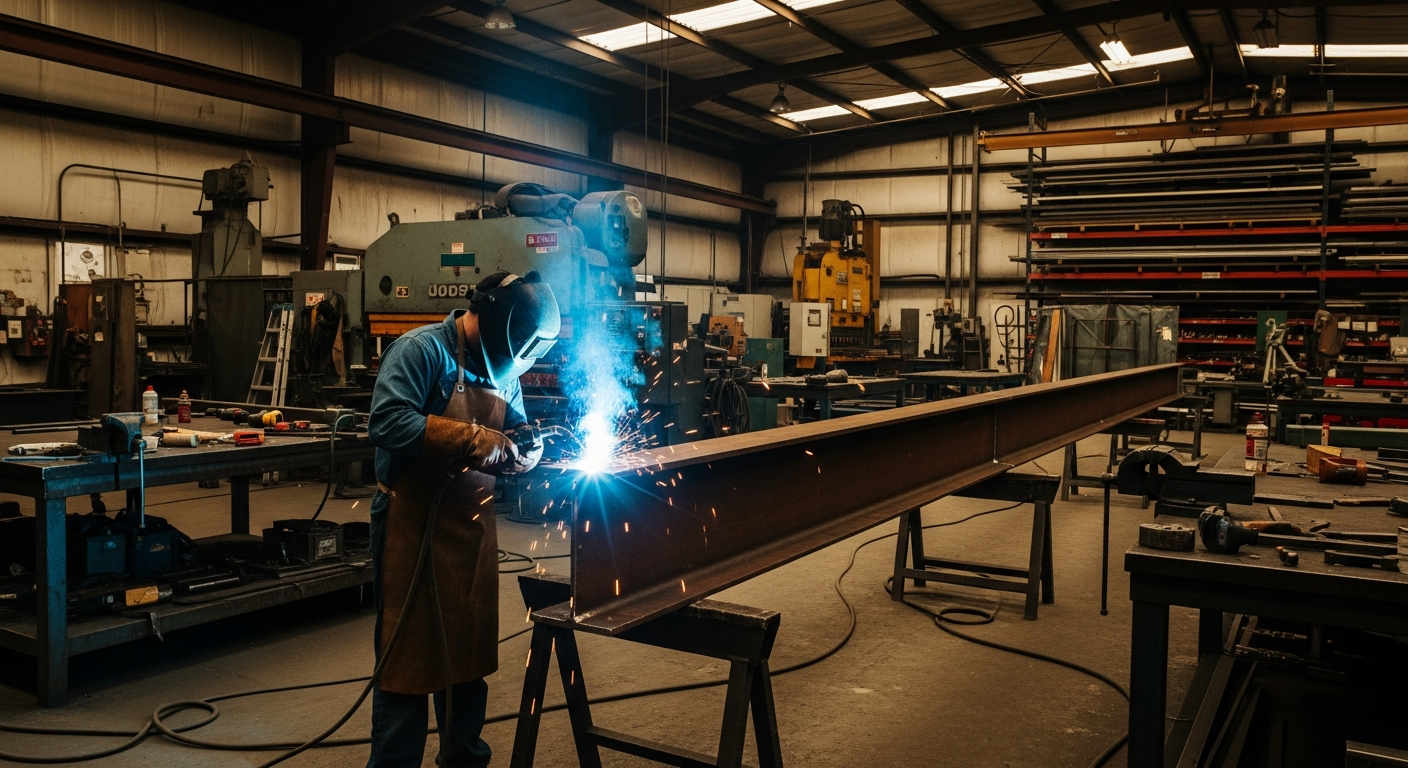

Running a metal fabrication shop in Texas means you're no stranger to hard work, from custom welding and structural steel work to intricate sheet metal forming for clients across the Lone Star State. But while you focus on precision and quality, are you just as diligent about protecting your business from a catastrophic loss? A single lawsuit, a major equipment failure, or an on-site injury could threaten everything you've built. The right metal fabrication business insurance isn't just a line item on your budget; it's the safety net that allows your Texas shop to operate with confidence and resilience in a high-risk industry.
Why Texas Metal Fabricators Face Unique Risks
The scale and nature of projects in Texas contribute to a distinct risk profile for metal fabricators. You might be working on a custom gate for a ranch in the Hill Country one week and fabricating structural components for a new high-rise in Houston the next. The industrial and construction boom in cities like Dallas, Fort Worth, and San Antonio means larger contracts but also greater liabilities. Your workshop is filled with heavy machinery, volatile materials, and valuable property, all of which are susceptible to accidents, theft, or damage from Texas's severe weather events, including hailstorms and hurricanes along the Gulf Coast.
Beyond the physical dangers, your financial exposure is significant. If a fabricated component you produced fails and causes a delay on a large construction project, your business could be held liable for the resulting financial losses. Similarly, if a client claims your design was faulty or your workmanship was subpar, you could face a costly legal battle even if the claim is groundless. These operational and professional liabilities make a comprehensive Texas metal fabrication insurance policy not just a good idea, but a fundamental requirement for sustainable business operations.
Essential Insurance Policies for Your Fabrication Shop
A robust insurance portfolio for a metal fabrication business is built on a foundation of core coverages. These policies are designed to address the most common and severe risks you face daily. Understanding what each one covers is the first step in building a shield around your assets and your future.
General Liability Insurance
This is the cornerstone of your business protection. General liability insurance covers third-party claims of bodily injury, property damage, and personal and advertising injury. Imagine a client visiting your shop slips on a wet floor and breaks an arm, or a spark from your welding torch accidentally damages a client's expensive flooring during an on-site installation. This policy would cover the associated medical bills, legal fees, and settlement costs. For any metal fabrication business that interacts with clients or works on third-party property, this is non-negotiable.
Commercial Property Insurance
Your physical assets are the heart of your operation. Commercial property insurance protects your building (if you own it), your workshop, inventory, raw materials, and most importantly, your specialized equipment like CNC machines, laser cutters, press brakes, and welding stations. In the event of a fire, storm, vandalism, or theft, this coverage helps you repair or replace your property so you can get back to work with minimal disruption. Given the high cost of fabrication machinery, ensuring your policy limits accurately reflect your equipment's replacement value is critical.
Commercial Auto Insurance
If your business owns vehicles-whether it's a truck for delivering finished products or a service vehicle for on-site jobs-personal auto insurance will not suffice. Texas law requires commercial auto insurance for business-owned vehicles. This policy covers liability, collision, and comprehensive damage for vehicles used in your business operations. If an employee is in an accident while delivering a custom metal staircase, this insurance would cover vehicle repairs and any third-party injury or property damage claims.
Workers' Compensation Insurance
While not always mandated for very small employers in Texas, workers' comp is absolutely vital for metal fabricators. This industry involves physically demanding work with inherent dangers like burns, eye injuries from flying debris, respiratory issues from fumes, and musculoskeletal injuries from lifting heavy materials. Workers' compensation provides benefits to employees who suffer job-related injuries or illnesses, covering medical expenses and a portion of lost wages. By carrying this insurance, you protect your employees and, in most cases, shield your business from lawsuits filed by injured workers.
Specialized Coverages for Enhanced Protection
While the essential policies form your baseline protection, the complex nature of metal fabrication often requires more specialized coverages. These policies address gaps that general liability or property insurance leave open, providing a more complete safety net for the unique aspects of your trade.
Inland Marine Insurance (Tools and Equipment Floater)
Don't let the name confuse you; inland marine insurance is crucial for protecting your high-value, mobile equipment. If you transport your welding machines, generators, or specialized tools to a job site, your commercial property policy may not cover them once they leave your premises. An inland marine policy, often called a tool floater, covers your equipment from theft, loss, or damage while it's in transit or being used at a client's location. This is essential for fabricators who perform any amount of off-site work.
Commercial Umbrella Insurance
In today's litigious environment, the limits on your primary liability policies can be exhausted quickly by a major claim. Commercial umbrella insurance provides an extra layer of liability protection that kicks in once the underlying limits of your general liability, auto liability, or employers' liability policy have been reached. For example, if a catastrophic accident results in a $2 million lawsuit but your general liability policy only covers $1 million, your umbrella policy would cover the remaining $1 million. It's a cost-effective way to secure high-limit protection for your growing Texas business.
Errors and Omissions (E&O) / Professional Liability
Metal fabrication often involves a significant amount of design, engineering, and consultation. If a client suffers a financial loss because they relied on your faulty design, incorrect specifications, or flawed advice, they could sue you for professional negligence. General liability does not cover these types of "professional errors." Errors and Omissions insurance is designed specifically for this exposure, covering legal defense costs and damages if you are found liable. If your business provides custom design services or engineering advice, E&O is a must-have.
Key Factors Influencing Your Texas Insurance Costs
The cost of your metal fabrication business insurance in Texas is not a one-size-fits-all number. Insurers assess a variety of factors to determine your premium, reflecting the specific risk level of your operation. Understanding these factors can help you manage your costs and present your business in the best possible light to insurers.
Key variables that directly impact your insurance quote include:
- Annual Payroll and Revenue: Higher payroll and revenue generally correlate with higher premiums for policies like workers' comp and general liability, as they indicate a larger scale of operation.
- Claims History: A history of frequent or severe insurance claims signals higher risk to an insurer and will result in higher premiums.
- Types of Fabrication Work: Are you doing simple cutting and welding, or are you involved in highly specialized, high-tolerance work for the aerospace or energy sectors? More complex work can carry greater liability.
- Safety Record and Protocols: A documented safety program, employee training records, and a clean safety history can help demonstrate that you are a responsible operator and may lead to lower premiums.
- Location: Your specific location in Texas matters. Crime rates in your area, proximity to a flood zone, and local building codes can all affect your property insurance costs.
By focusing on what you can control-such as implementing rigorous safety protocols and maintaining a clean claims history-you can positively influence your insurance costs over time. Be prepared to discuss these details in depth when shopping for a policy.
Building Your Custom Texas Metal Fabrication Insurance Portfolio
Assembling the right insurance coverage is a strategic process. It requires a careful evaluation of your business's specific activities, assets, and risk tolerance. A policy that is perfect for a small ornamental ironworks shop may be insufficient for a large structural steel fabricator serving the commercial construction industry.
The most effective approach involves a few key steps. First, conduct a thorough risk assessment of your entire operation, from your workshop and equipment to your business processes and client contracts. Next, work with an insurance agent or broker who specializes in commercial lines and has experience with the contracting and manufacturing sectors in Texas. They can help you interpret the fine print and identify potential coverage gaps. Finally, regularly review and update your policies, especially when you purchase new equipment, hire more employees, or take on a new type of fabrication project. Your insurance needs will evolve as your business grows.
Securing the right metal fabrication business insurance is an investment in the longevity and stability of your Texas enterprise. It provides the financial backbone to handle unforeseen events, fulfill contractual obligations with general contractors, and protect the well-being of your employees. With a tailored insurance portfolio in place, you can confidently bid on new projects, innovate in your craft, and continue to be a vital part of the Texas industrial landscape, knowing your business is built on a foundation of security.