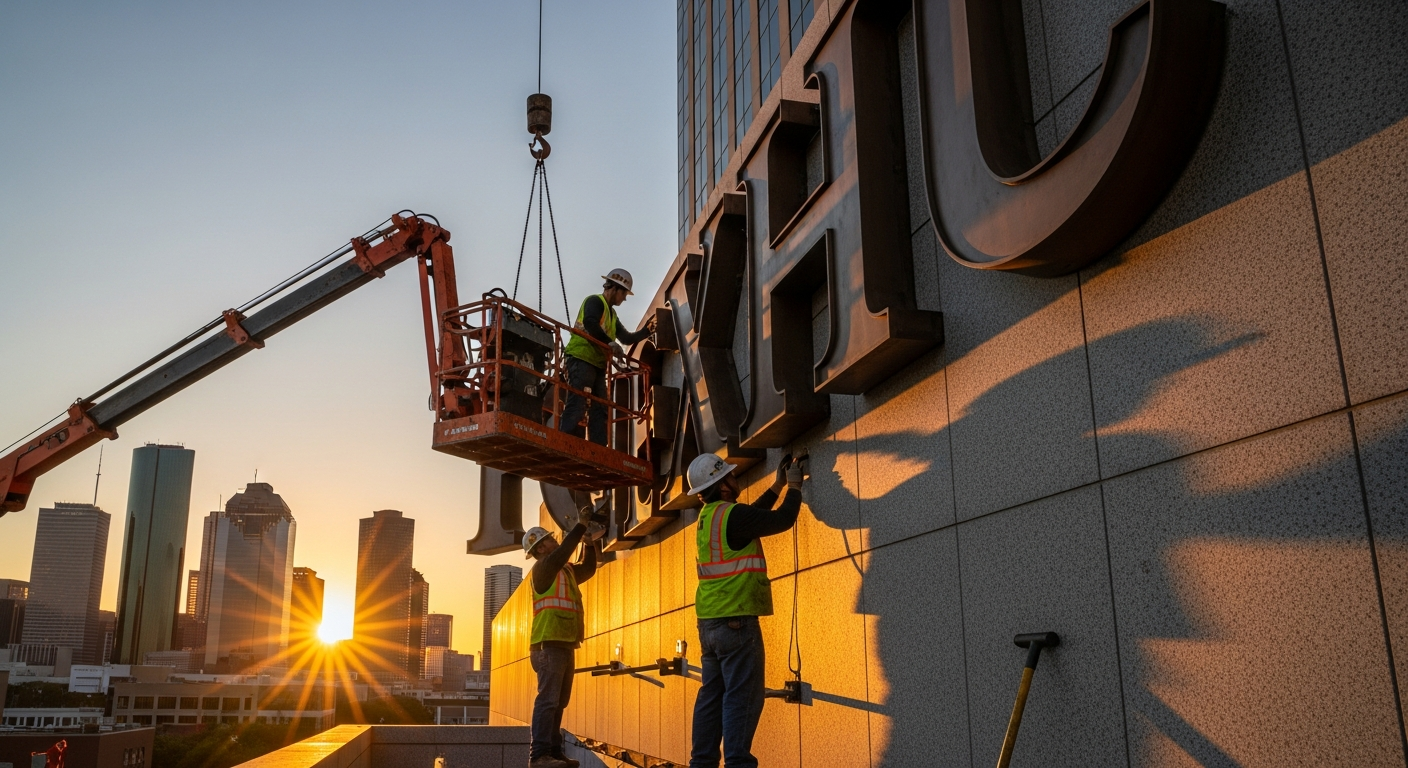

Imagine driving through any Texas city - from Houston's sprawling business districts to Dallas' vibrant commercial corridors - and noticing how signs define our visual landscape. While flashing digital displays and illuminated storefronts get most of the attention, there's an entire world of non-electrical signage that forms the backbone of Texas business identity. These permanent installations - from monument signs welcoming visitors to corporate campuses to dimensional letters adorning office buildings - represent significant investments and equally substantial liabilities. For Texas sign installation companies specializing in non-electrical work, comprehensive insurance coverage isn't just paperwork; it's the foundation that supports every project, protects against unexpected setbacks, and ensures businesses can continue serving clients across the Lone Star State.
Understanding Non-Electrical Sign Insurance in Texas
Non-electrical sign installation insurance refers to specialized coverage designed specifically for contractors who install, maintain, and repair signs that don't require electrical connections. This category includes monument signs, pole signs, directional signage, architectural letters, vinyl graphics, vehicle wraps, and various forms of non-illuminated commercial signage. Unlike their electrical counterparts, these installations present unique risks related to structural integrity, weather exposure, and public safety that demand tailored insurance solutions. Texas sign contractors face particular challenges given the state's diverse climate conditions, from Panhandle windstorms to Gulf Coast humidity, all of which can affect installation quality and long-term performance.
The distinction between electrical and non-electrical sign work is crucial for insurance purposes. While electrical sign contractors deal with risks like wiring faults, power surges, and fire hazards, non-electrical specialists confront different challenges including structural failure, improper mounting, material defects, and weather-related damage. Texas insurance providers recognize these differences and structure policies accordingly. For example, a sign company installing dimensional letters on a corporate headquarters in Austin needs coverage focused on fall protection, property damage during installation, and potential water infiltration issues - concerns quite different from those facing an electrical sign installer working with high-voltage components.
Essential Insurance Coverages for Texas Sign Installers
Texas sign installation businesses require a carefully constructed insurance portfolio that addresses both standard contracting risks and specific exposures unique to signage work. While each company's needs vary based on their specialty, client base, and project scope, certain core coverages form the foundation of adequate protection in the Texas market.
General Liability Insurance
Commercial general liability insurance serves as the primary protection for third-party bodily injury and property damage claims. For sign installation contractors, this coverage responds when a passerby is injured by falling tools, when a client's building facade is damaged during installation, or when a poorly secured temporary sign causes an accident. In Texas' increasingly litigious environment, even minor incidents can lead to substantial claims. Consider a scenario where a sign installer in San Antonio accidentally drops a tool that damages a client's expensive landscaping - general liability would cover the restoration costs. Similarly, if a pedestrian trips over installation equipment on a Dallas sidewalk, this policy would handle medical expenses and legal defense.
The limits and structure of general liability policies vary significantly for Texas sign businesses. Most clients and general contractors now require minimum coverage of $1-2 million per occurrence, with higher limits for large-scale projects. Many Texas sign companies opt for occurrence-form policies rather than claims-made coverage, as they provide protection for incidents that occur during the policy period regardless of when the claim is filed - crucial for installation defects that might not become apparent for months or years.
Commercial Auto Insurance
Texas sign installation companies rely heavily on vehicles for transporting equipment, materials, and crews to job sites throughout the state. Commercial auto insurance covers company-owned vehicles against accidents, theft, and damage while also providing liability protection if company vehicles cause injury or property damage. A sign installer traveling from Fort Worth to a job site in Plano needs coverage that accounts for Texas' high traffic density and unique road conditions. This becomes particularly important when transporting expensive sign components like custom-fabricated metal letters or large vinyl sheets that could be damaged in transit.
Texas commercial auto policies should include hired and non-owned auto coverage, which protects against liability when employees use personal vehicles for business purposes or when companies rent vehicles for specific projects. Given that many sign installation crews use personal trucks to reach job sites, this endorsement provides essential protection that standard business auto policies might exclude. The policy should also account for equipment and tools transported in vehicles, as these represent significant investments that require protection against theft or damage.
Workers' Compensation Insurance
While Texas employers aren't legally required to carry workers' compensation coverage, doing so provides crucial protection for employees injured on the job. Sign installation work involves substantial physical risk - crews work at height, handle heavy materials, and use power tools in various conditions. A worker falling from a ladder while installing a storefront sign in Houston or suffering a back injury while positioning a heavy monument base in El Paso would be covered under workers' compensation, which pays for medical treatment and replaces lost wages during recovery.
Texas offers unique workers' compensation options through non-subscriber alternatives, but most sign companies benefit from traditional coverage. The premium calculations consider payroll amounts, job classifications specific to sign installation, and the company's claims history. Proper safety protocols, documented training programs, and clear equipment maintenance records can help Texas sign businesses qualify for better rates while reducing workplace incidents.
Specialized Coverages for Sign Installation Businesses
Beyond standard business insurance, Texas sign installation contractors need specialized coverages that address the unique aspects of their work. These policies fill critical gaps left by general liability and commercial auto insurance, providing protection for the specific risks inherent in non-electrical sign work.
Installation Floater Policies
Installation floaters, sometimes called course of construction coverage, protect signs and materials while they're being installed, transported, or stored at job sites. This specialized coverage is essential because standard property insurance typically excludes property in the contractor's care, custody, or control. For a company installing an expensive custom monument sign at a Texas corporate campus, the installation floater would cover damage caused by improper handling, accidents during positioning, or theft from the job site before the sign is officially accepted by the client.
These policies can be written to cover specific projects or provide ongoing protection for all installations. Texas sign contractors working on multiple projects simultaneously often benefit from blanket installation floater policies that automatically cover all jobs up to specified limits. The coverage typically extends from the moment materials leave the shop until the client accepts the completed installation, bridging a critical protection gap during the most vulnerable phase of a project.
Professional Liability for Design Services
Many Texas sign installation companies offer design, consulting, or engineering services alongside their installation work. When businesses provide advice on sign placement, structural requirements, or material specifications, they need professional liability insurance (also called errors and omissions coverage). This protects against claims arising from professional mistakes, such as recommending an installation method that leads to premature failure or specifying materials unsuitable for Texas' climate conditions.
Consider a sign company that advises a Corpus Christi restaurant on the best mounting system for their coastal location. If salt air corrosion causes premature failure, professional liability would respond to claims alleging improper recommendation. Similarly, if a sign installer in Lubbock misadvises a client about wind load requirements and the sign fails during a storm, this coverage handles the resulting damages. As Texas sign businesses increasingly position themselves as comprehensive solutions providers rather than simple installers, professional liability becomes increasingly important.
Navigating Texas-Specific Insurance Considerations
The Texas insurance market presents unique considerations for sign installation businesses, influenced by the state's regulatory environment, weather patterns, and economic landscape. Understanding these regional factors helps contractors secure appropriate coverage at competitive rates while ensuring compliance with local requirements.
Texas' status as a hurricane-prone state significantly impacts insurance for sign installers, particularly those operating in coastal regions. Companies working in hurricane evacuation zones may need specific windstorm endorsements or separate deductibles for storm-related damage. Similarly, the state's susceptibility to hail storms creates additional exposure for signs installed in vulnerable locations. Insurance providers typically inquire about installation methods and materials specifically designed to withstand Texas' severe weather, and companies using storm-resistant techniques often qualify for premium credits.
Certificate of insurance management represents another critical consideration for Texas sign businesses. Most commercial clients, property managers, and general contractors require certificates showing specific coverage levels and additional insured status. Texas sign companies should implement systematic processes for tracking certificate requirements, renewal dates, and additional insured endorsements across their project portfolio. Failure to maintain proper certificates can result in delayed payments, lost contracts, or even breach of contract claims.
The following best practices help Texas sign installation businesses manage their insurance program effectively:
- Review policies annually: Business growth, new service offerings, and changing client requirements necessitate regular coverage evaluations
- Document safety procedures: Comprehensive safety manuals, training records, and incident reports demonstrate risk management to insurers
- Maintain detailed project records: Thorough documentation of installations, including photographs and client approvals, supports claims defense
- Specialize your coverage: Work with insurance providers who understand the sign industry rather than generic business policies
- Consider project-specific policies: Large or unusual installations might warrant separate insurance rather than relying solely on annual policies
Cost Management and Risk Reduction Strategies
Texas sign installation businesses face ongoing pressure to manage insurance costs while maintaining adequate protection. Premiums for sign contractors vary based on annual revenue, payroll, number of vehicles, claims history, and the specific types of installations performed. Companies specializing in low-risk services like vinyl application typically pay less than those performing complex structural installations requiring cranes or working at significant heights.
Implementing formal risk management programs represents the most effective strategy for controlling insurance costs while reducing actual exposure. Texas sign companies should develop comprehensive safety protocols addressing common installation hazards including falls, struck-by incidents, and material handling injuries. Regular equipment inspections, documented training sessions, and clear job site procedures not only prevent accidents but also demonstrate responsible operations to insurance underwriters.
Contract review represents another crucial risk management component. Texas sign installers should carefully evaluate indemnification clauses, insurance requirements, and additional insured requests in client contracts. Some contractual provisions might create coverage gaps or impose obligations beyond what standard policies provide. Working with insurance professionals who understand both coverage terms and contracting practices helps identify problematic clauses before they create uninsured exposures.
The choice between occurrence-form and claims-made policies significantly impacts both coverage and cost for Texas sign businesses. Occurrence policies typically cost more but provide more predictable long-term protection by covering incidents that occur during the policy period regardless of when claims emerge. Claims-made policies can offer initial savings but create potential coverage gaps when policies aren't renewed or when tail coverage isn't purchased upon retirement or policy changes.
Choosing the Right Texas Insurance Provider
Selecting an insurance partner who understands both the sign industry and Texas' unique market conditions dramatically impacts coverage quality and claims experience. The ideal provider offers specialized knowledge of sign installation risks, maintains relationships with carriers familiar with the industry, and demonstrates understanding of Texas' regulatory environment and regional exposures.
Texas sign companies should seek insurance professionals with specific experience serving sign contractors rather than general business insurance providers. Industry-specific knowledge becomes particularly important when evaluating coverage limits, identifying exclusions, and structuring policies for unique projects. Providers familiar with sign installation can help contractors navigate complex certificate requirements, additional insured endorsements, and contractual insurance provisions common in commercial sign projects.
When evaluating potential insurance partners, Texas sign businesses should consider the following factors:
- Industry specialization: Look for providers who actively work with sign installation contractors
- Carrier relationships: Choose brokers with access to multiple carriers specializing in contractor insurance
- Claims support: Evaluate the provider's claims handling process and responsiveness
- Risk management services: Consider providers who offer safety resources and loss prevention guidance
- Texas market knowledge: Ensure the provider understands regional factors affecting coverage and pricing
Building a long-term relationship with a knowledgeable insurance professional allows Texas sign companies to develop customized coverage that evolves with their business. As companies expand their service offerings, enter new markets, or take on larger projects, their insurance partner should provide proactive guidance on coverage adjustments and risk management improvements.
Proper insurance protection enables Texas sign installation businesses to focus on their craft rather than worrying about potential liabilities. By understanding the unique coverage needs for non-electrical sign work, implementing effective risk management strategies, and partnering with knowledgeable insurance professionals, contractors can build sustainable businesses that withstand challenges and capitalize on opportunities throughout the Lone Star State. The right insurance program doesn't just protect against losses - it supports growth, enhances credibility, and provides the stability needed to thrive in Texas' competitive sign industry.