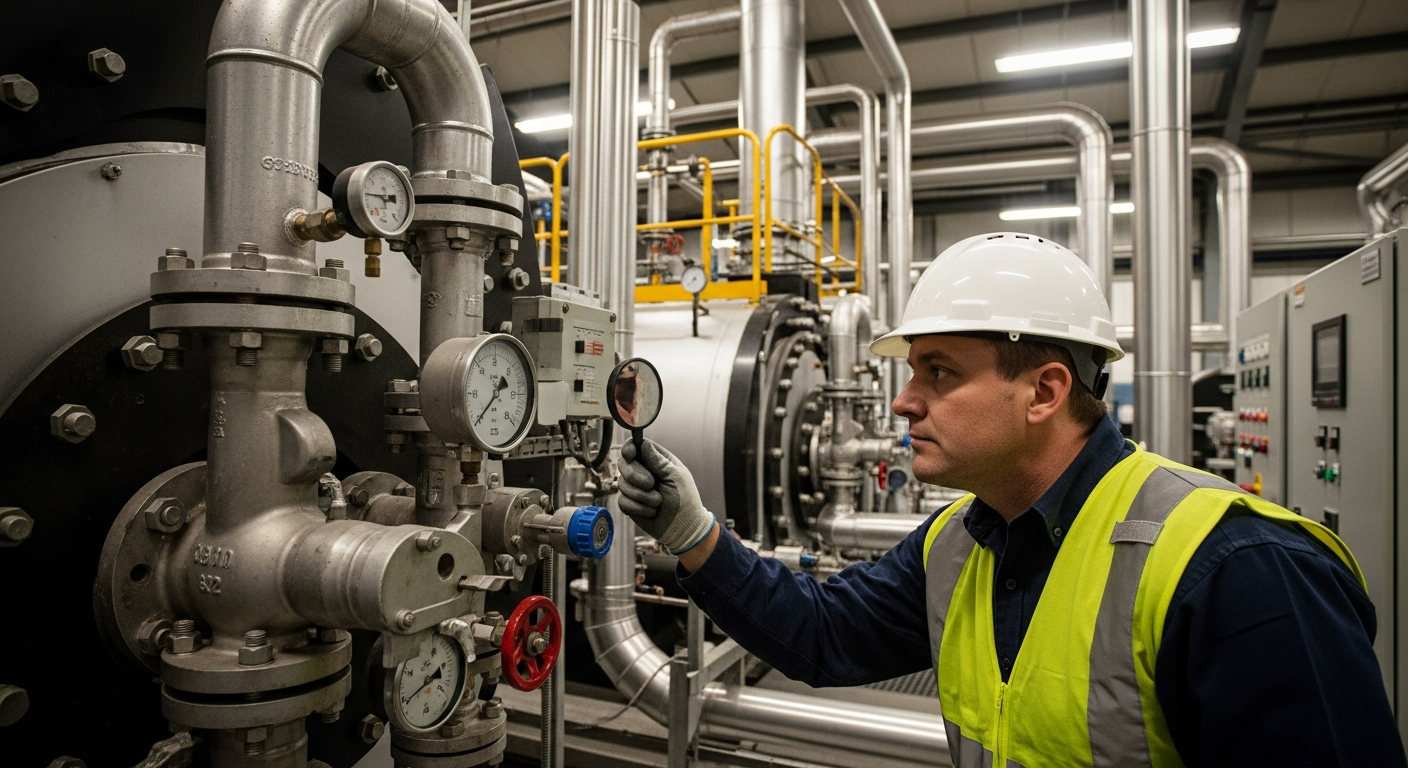

When a boiler malfunctions in Texas, the consequences can be catastrophic - from costly property damage and business interruption to severe injuries or worse. As a Texas boiler contractor, your expertise is in high demand for installing, maintaining, and repairing these complex pressure vessel systems, but this specialized work carries immense financial risk. One significant incident, whether due to an installation error or a routine service mishap, could lead to claims that threaten your business's survival. Navigating the unique landscape of Texas boiler contractor insurance isn't just about checking a box for a certificate of insurance; it's about building a comprehensive risk management strategy that addresses the specific liabilities outlined by Texas law and industry standards. Understanding the required insurance classifications and coverage types is the first critical step in protecting your livelihood, your clients' assets, and your professional reputation in the Lone Star State's rigorous industrial and commercial sectors.
Understanding Boiler Contractor Classifications in Texas
The term "boiler contractor" encompasses a range of specialized trades, and insurance providers in Texas classify these businesses based on the specific services they perform. Your classification directly influences your insurance premiums, the policy endorsements you may need, and the scope of your liability coverage. A contractor who exclusively installs residential water heaters faces a very different risk profile than one who services high-pressure industrial boilers in a refinery. Misrepresenting your primary work to an insurer can be a costly mistake, potentially leading to denied claims if an incident occurs outside your stated classification. The Texas Department of Licensing and Regulation (TDLR) and insurance carriers typically recognize several key categories.
Before securing a policy, you must accurately identify which classification best fits your company's primary revenue-generating activities. This self-assessment ensures you are not underinsured for your core operations. For instance, a firm classified for "Installation-Only" that then takes on a lucrative maintenance contract for a school district's boiler system may find its policy does not respond to a claim arising from that maintenance work. It is crucial to be transparent with your insurance agent about all the services you offer, even if they are occasional, as this transparency forms the foundation of a valid and responsive insurance program.
Common boiler contractor classifications used by Texas insurers include:
- Boiler Installation and Repair: This is a broad classification for contractors who primarily install new boiler systems and perform major repairs or replacements. It assumes a higher degree of risk associated with the initial setup and integrity of the system.
- Boiler Inspection and Maintenance: Contractors in this category focus on routine servicing, safety inspections, and minor adjustments. Their primary risk involves errors or omissions during inspection that fail to identify a critical fault, leading to a subsequent failure.
- HVAC Contractor with Boiler Specialty: Many full-service HVAC companies also service boilers as part of their offering. This classification acknowledges that boiler work is a component of their business but not the sole focus, which affects how risk is weighted.
- Industrial vs. Residential/Commercial: A critical sub-classification distinguishes between work on low-pressure residential systems and high-pressure industrial boilers found in manufacturing plants or power generation facilities. Industrial work almost always commands higher premiums due to the greater potential for severe, large-scale incidents.
Securing the correct classification is not merely an administrative task; it is a fundamental aspect of your risk management. A policy written for the wrong class of work is akin to having no insurance at all when a loss occurs. Always review your policy's "Classification of Operations" page to ensure it accurately reflects all the work you perform.
Mandatory and Essential Liability Insurance Policies
Texas state law does not mandate a specific "boiler insurance" policy for contractors in the same way it requires auto liability insurance for drivers. However, your legal obligation to carry insurance arises from other directions: client contracts, municipal permits, and the fundamental principle of financial responsibility for your work. Nearly every commercial or municipal client in Texas will require you to provide proof of insurance before you can step foot on a job site. Furthermore, operating without adequate liability coverage is an enormous gamble with your company's future. The core insurance policies for a boiler contractor are designed to create a financial safety net for third-party bodily injury and property damage claims.
The cornerstone of your insurance portfolio is Commercial General Liability (CGL) insurance. This policy provides broad protection for your business against claims of property damage or bodily injury that you, your employees, or your operations cause to others. For a boiler contractor, a classic CGL claim would involve a faulty installation that leads to a boiler explosion, causing damage to the client's building and injuring their employees. The CGL policy would cover the cost of the legal defense, settlements, or judgments up to the policy limits. It is crucial to scrutinize the policy's exclusions, as some standard CGL forms may have limitations related to work on pressure vessels, making proper endorsements vital.
While CGL is foundational, it is often insufficient on its own for the specialized risks of boiler work. This is where other essential policies come into play. For example, if you use vehicles for your business - from service vans to trucks carrying tools and equipment - Texas law requires you to carry Commercial Auto Insurance. This covers accidents that occur on the road. More specifically for your trade, a CGL policy typically excludes damage to the specific property you are working on, which is why Inland Marine Insurance, particularly a Contractor's Equipment Floater and Installation Floater, is critical. This covers your tools and equipment from theft or damage while in transit or on a job site, and can cover the boiler system itself while it is in your care, custody, and control during installation.
The Critical Role of Professional Liability Insurance
Often overlooked but increasingly demanded by clients, Professional Liability Insurance (also known as Errors and Omissions or E&O) is a non-negotiable component for any skilled trade whose value is derived from expertise and judgment. Your General Liability policy is designed for claims of physical harm, but it does not cover financial losses stemming from your professional advice, design, or specifications. As a boiler contractor, you are constantly making professional decisions: recommending a specific system, designing the layout for optimal efficiency, or certifying a boiler as safe for operation.
Consider a scenario where you design a boiler system for a new commercial laundry. The system is installed correctly and does not cause any physical damage, but due to a miscalculation in your design, it operates at 30% lower efficiency than promised. The client sues you for the financial loss associated with years of higher-than-expected energy bills. A CGL policy would not respond to this claim, as it involves a professional error, not physical injury or property damage. Your Professional Liability policy would provide the defense and cover the financial damages. For boiler inspectors, this policy is absolutely essential, as their entire service is a professional opinion on the safety of a vessel.
Navigating Texas-Specific Requirements and Regulations
Operating as a boiler contractor in Texas means complying with a web of state and local regulations that directly impact your insurance needs. The Texas Department of Licensing and Regulation (TDLR) oversees the boiler safety program, which includes rules for the installation, alteration, and repair of boilers by licensed providers. While TDLR does not directly issue licenses to contractors (they license boiler inspectors and companies that employ them), they enforce the codes and standards that govern your work. Your compliance with these codes is a key factor in your insurability and liability. An insurer will view a contractor who consistently adheres to the ASME Boiler and Pressure Vessel Code and the National Board Inspection Code (NBIC) as a lower risk.
Local municipalities add another layer of complexity. Cities like Houston, Dallas, and San Antonio often have their own permitting and inspection requirements for mechanical work. When you pull a permit for a job, the city will almost certainly require you to submit a certificate of insurance (COI) naming the municipality as an additional insured on your policy for the duration of the project. This protects the city from being held liable for your work. Failure to provide this can result in permit denial and project delays. It is essential to work with an insurance agent who understands these local nuances and can efficiently issue the required COIs and additional insured endorsements.
A critical state-level consideration is Texas’s unique "Modified Comparative Fault" rule, which can bar recovery for a plaintiff if they are found to be 51% or more at fault for their own injury. While this can be a powerful defense, it does not eliminate the need for robust insurance. The cost of defending a lawsuit to prove the other party was primarily at fault can be immense, and your CGL policy covers those legal defense costs regardless of the suit's outcome. Furthermore, contractual requirements often obligate you to carry specific limits of insurance, such as $1 million or more per occurrence, which are dictated by the market and your clients, not state law.
Building a Comprehensive Insurance Portfolio
Adequate insurance for a Texas boiler contractor is more than just a single policy; it is a carefully constructed portfolio of coverages that work in concert. Starting with a strong General Liability policy as your base, you must then layer on the specialized coverages that address the unique gaps in your risk profile. The goal is to create a seamless shield against financial loss, ensuring that a single incident does not create a coverage dispute between different insurers or leave a critical exposure unaddressed. A comprehensive portfolio demonstrates to clients, general contractors, and regulatory bodies that you are a serious, professional, and responsible business partner.
The most effective way to build this portfolio is often through a Business Owner's Policy (BOP), which bundles General Liability and Property Insurance into a single, typically more affordable package. However, for many boiler contractors, especially those doing industrial work, a BOP may not be sufficient or available, requiring the purchase of separate, more robust policies. Beyond the core liability policies, you must also consider protecting your own business assets. Workers' Compensation Insurance, while not legally required for non-employees in Texas, is crucial if you have any employees. It covers medical expenses and lost wages for work-related injuries and protects your business from being sued by an injured employee.
Key components of a comprehensive insurance portfolio for a Texas boiler contractor include:
- Commercial General Liability (CGL): The foundation for third-party bodily injury and property damage claims.
- Commercial Auto Insurance: Covers liability and physical damage for business vehicles as required by Texas law.
- Inland Marine (Contractor's Equipment/Installation Floater): Protects your tools and equipment, and the property you are working on while in your care.
- Workers' Compensation: Provides benefits to employees injured on the job and shields your business from related lawsuits.
- Professional Liability (E&O): Covers financial losses from errors in your professional services, designs, or advice.
- Umbrella/Excess Liability: Provides an extra layer of liability protection above the limits of your CGL, Auto, and Employers Liability policies, essential for large-loss scenarios.
Regularly reviewing this portfolio with a knowledgeable Texas insurance agent is not a one-time event but an ongoing process. As your business grows, takes on new types of projects, or hires more employees, your insurance needs will evolve. An annual review ensures your coverage limits remain adequate and that you are not paying for obsolete coverage or, more dangerously, operating with dangerous coverage gaps.
Securing the right insurance is an investment in the stability and longevity of your Texas boiler contracting business. It empowers you to bid on larger projects with confidence, fulfill contractual obligations, and operate with the peace of mind that your company is protected from the unpredictable. By thoroughly understanding your classifications, securing the essential liability policies, navigating Texas-specific regulations, and building a comprehensive, tailored portfolio, you transform insurance from a simple cost of doing business into a strategic asset. This diligent approach allows you to focus on what you do best: delivering safe, reliable, and expert boiler services across the state.