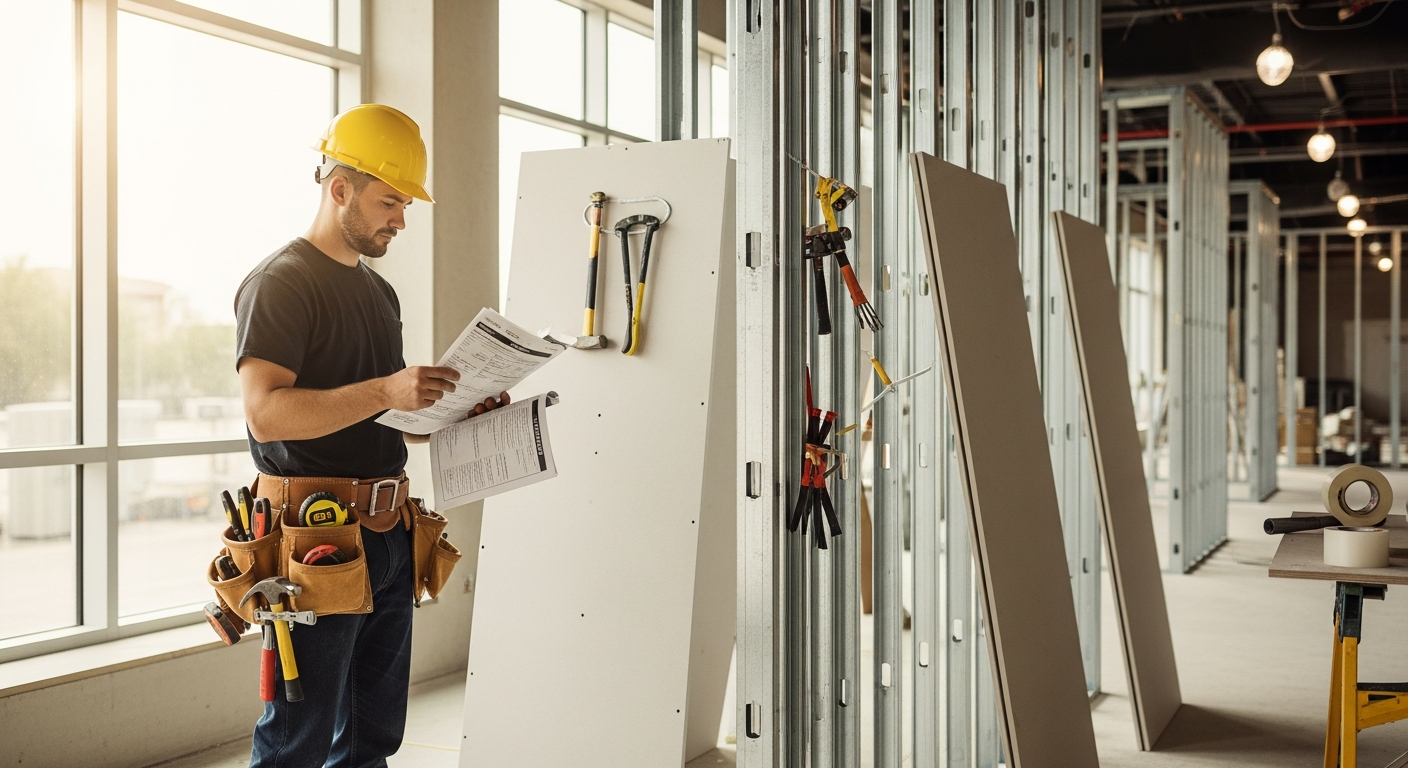

As a Texas drywall contractor, you know that every successful project depends on careful preparation and quality materials. But what protects your business when unexpected events threaten your hard work and financial stability? With Texas's booming construction industry and unique regulatory landscape heading into 2026, having a robust insurance portfolio isn't just a good idea-it's a critical component of your business foundation. From sudden worksite accidents to disputes over completed work, the right coverage can mean the difference between a minor setback and a business-ending catastrophe. This guide will walk you through the essential insurance policies every Texas drywall professional needs to operate safely, legally, and profitably in the coming year.
Understanding Texas Insurance Requirements for Drywall Contractors
Texas operates under a unique set of regulations that directly impact drywall contractors. Unlike many states, Texas does not require employers to carry workers' compensation insurance. However, this doesn't mean you can operate without protection. If you choose not to carry workers' comp, you must comply with the state's nonsubscriber requirements, which include informing employees of their rights and potentially facing greater liability in workplace injury lawsuits. Additionally, while Texas doesn't mandate general liability insurance at the state level, most general contractors, property owners, and project managers will require you to carry specific coverage limits before you can even bid on jobs.
The consequences of operating without proper insurance in Texas can be devastating. Beyond potential lawsuits from injured third parties or employees, you could face contract violations, lost bidding opportunities, and even personal asset exposure. For example, if one of your employees accidentally damages electrical wiring while installing drywall, resulting in a fire that causes $100,000 in property damage, without proper liability coverage, you could be personally responsible for those costs. Understanding these requirements isn't just about compliance-it's about building a sustainable business that can withstand the challenges unique to Texas's construction environment.
Essential Insurance Policies for Texas Drywall Contractors
Building a comprehensive insurance portfolio requires understanding how different policies work together to protect your business. Each type of coverage addresses specific risks you face daily on Texas job sites, from residential remodels in Houston to commercial projects in Dallas.
General Liability Insurance
General liability insurance serves as your first line of defense against third-party claims of bodily injury or property damage. For drywall contractors, this coverage is particularly important because your work often occurs in occupied spaces and involves activities that could accidentally damage existing structures. A typical general liability policy for Texas drywall businesses should include premises liability, which covers accidents that occur in your work area, and completed operations coverage, which protects you if issues arise with work you've already finished.
Consider this scenario: While installing drywall in a commercial building, one of your employees accidentally knocks over a ladder that damages a client's specialized equipment. Or perhaps months after completing a residential project, the drywall in a bathroom develops mold due to improper installation. In both cases, general liability insurance would cover the resulting claims, legal defense costs, and any settlements or judgments. Most Texas contractors should aim for at least $1 million per occurrence and $2 million aggregate in coverage, though many commercial projects require higher limits.
Workers' Compensation Insurance
Even though Texas doesn't mandate workers' compensation, this coverage remains essential for protecting both your employees and your business. Drywall installation involves physically demanding work with significant injury risks, including falls from heights, muscle strains from lifting heavy materials, and eye injuries from dust or debris. Workers' comp provides medical benefits and wage replacement to employees injured on the job, while also protecting your business from lawsuits related to workplace injuries.
As a Texas employer, you have two main options: participate in the workers' compensation system or operate as a nonsubscriber. If you choose to participate, your premiums will be based on your payroll, claims history, and the specific risks associated with drywall installation. If you opt out as a nonsubscriber, you must provide alternative benefit plans and face potentially greater liability, as you lose certain legal protections against employee injury lawsuits. Many contractors find that carrying workers' comp makes them more competitive when bidding on projects, as it demonstrates financial responsibility and employee care.
Commercial Auto Insurance
Whether you're transporting materials to job sites or traveling between appointments, commercial auto insurance is non-negotiable for Texas drywall contractors. Personal auto policies typically exclude coverage for vehicles used primarily for business purposes, leaving you exposed to significant financial risk. A proper commercial auto policy should include liability coverage for accidents you cause, physical damage coverage for your vehicles, and coverage for tools and equipment transported in your vehicles.
Imagine one of your employees causes an accident while delivering drywall to a Dallas construction site. The resulting property damage and medical bills could easily exceed $100,000. Without commercial auto coverage, your business assets-and potentially personal assets-could be at risk. Additionally, if your work truck containing $5,000 worth of tools is stolen from a Houston job site, comprehensive coverage would help replace your stolen equipment, minimizing business disruption.
Tools and Equipment Coverage
Your specialized tools represent a significant investment and are essential to your daily operations. From drywall lifts and power sanders to specialized cutting tools, replacing stolen or damaged equipment can be costly and disruptive. While some property coverage might be included in other policies, dedicated tools and equipment insurance (often called inland marine insurance) provides broader protection that follows your tools wherever they go-whether on job sites, in transit, or in storage.
This coverage is particularly important in Texas, where extreme weather events can damage equipment left on job sites, and theft from construction sites remains a persistent issue. A comprehensive tools and equipment policy should cover:
- Power tools and hand tools
- Drywall lifts and scaffolding
- Specialized cutting and finishing equipment
- Mobile offices and job site trailers
- Computers and business equipment used on site
When selecting coverage limits, create a detailed inventory of all your business tools and equipment, including purchase dates and values. Remember that replacement cost coverage, while slightly more expensive, ensures you can purchase new equipment without significant out-of-pocket expenses.
Specialized Coverage Options for Enhanced Protection
Beyond the essential policies, several specialized coverages can provide additional protection against unique risks faced by Texas drywall contractors. These optional policies address gaps in standard coverage and can be particularly valuable as your business grows and takes on more complex projects.
Professional liability insurance, also known as errors and omissions coverage, protects you against claims of professional negligence or inadequate work. For drywall contractors, this might include claims that your improper installation led to structural issues, or that your failure to follow specifications resulted in additional costs for other trades. Builder's risk insurance provides protection for structures under construction, covering materials and installed drywall against damage from fire, theft, or severe weather-common concerns in Texas's variable climate.
Commercial umbrella insurance offers an additional layer of protection by providing excess liability coverage beyond the limits of your primary policies. If a major lawsuit exceeds your general liability or auto liability limits, umbrella coverage can prevent financial catastrophe. For contractors with multiple vehicles, employees, or high-value projects, this extra protection can be invaluable. Installation floater policies specifically cover materials and equipment during transit and installation, bridging gaps between your commercial auto and general liability coverage.
Navigating Insurance Costs and Premium Factors in Texas
Understanding what influences your insurance premiums can help you make smart decisions that balance coverage needs with budget constraints. Texas drywall contractors should be aware of several key factors that insurers consider when pricing policies.
Your claims history represents one of the most significant rating factors. Insurance companies view contractors with frequent or severe claims as higher risks, resulting in higher premiums. Maintaining a safe work environment and implementing thorough risk management practices can help keep your claims-and consequently your premiums-lower over time. Your annual payroll and revenue directly affect workers' compensation and general liability premiums, as these are typically calculated based on exposure units like per $100 of payroll or per $1,000 of revenue.
The specific details of your operations also impact costs. Consider these key factors that Texas insurers evaluate:
- Types of projects (residential vs. commercial, new construction vs. remodel)
- Annual revenue and payroll amounts
- Number of employees and their experience levels
- Safety programs and training procedures
- Equipment values and security measures
- Coverage limits and deductibles selected
Your location within Texas can also affect premiums, as rates may vary between metropolitan areas like Houston, Dallas, and Austin versus rural regions. Areas with higher claims frequency or severe weather risks might see increased premiums. Finally, the coverage limits and deductibles you choose directly impact your costs. Higher deductibles typically lower premiums but increase your out-of-pocket costs when claims occur.
Implementing a Comprehensive Risk Management Strategy
Insurance represents just one component of a complete risk management approach. By proactively identifying and addressing potential hazards, you can reduce the likelihood of incidents that lead to insurance claims, potentially lowering your premiums while creating a safer work environment.
Start with thorough employee training and clear safety protocols. Ensure all team members understand proper lifting techniques, fall protection requirements, and equipment operation procedures. Document all training sessions and regularly update safety manuals to reflect current best practices. Implement a rigorous hiring process that includes verifying experience, checking references, and providing comprehensive onboarding for all new employees.
Proper documentation serves as your first line of defense when disputes arise. Maintain detailed records including:
- Signed contracts with clear scope of work definitions
- Change orders documenting any project modifications
- Daily job reports noting progress and any issues encountered
- Photographic documentation of work in progress and completed projects
- Safety inspection reports and incident documentation
Regular equipment maintenance and investment in quality tools can prevent accidents and equipment failures. Create a schedule for inspecting and servicing all equipment, from drywall lifts to power tools. Use proper storage solutions to protect tools from theft and environmental damage. Additionally, consider implementing a substance abuse policy and conducting regular job site inspections to identify potential hazards before they cause incidents.
Selecting the Right Insurance Provider in Texas
Choosing an insurance provider involves more than comparing premium quotes. You need a partner who understands the unique challenges faced by Texas drywall contractors and can provide appropriate coverage and responsive service when you need it most.
Look for carriers with experience insuring construction businesses, particularly drywall specialists or similar trades. These providers will better understand your specific risks and coverage needs. Consider whether you prefer working with a large national carrier or a regional Texas-based insurer that might offer more personalized service and local expertise. Verify the financial strength ratings of any insurance company you're considering, as this indicates their ability to pay claims, even in challenging economic conditions.
When evaluating potential providers, ask specific questions about their experience with drywall contractors, claims handling process, and available risk management resources. A quality insurance partner should offer more than just policy documents-they should provide guidance on minimizing risks, navigating claims, and adjusting coverage as your business evolves. Many contractors find value in working with an independent insurance agent who can compare options from multiple carriers and provide unbiased advice tailored to your specific situation.
The right insurance portfolio does more than protect your assets-it builds credibility with clients, ensures compliance with contract requirements, and provides peace of mind as you grow your Texas drywall business. By understanding your coverage options, implementing strong risk management practices, and partnering with knowledgeable insurance professionals, you can focus on what you do best: delivering quality drywall services across the Lone Star State. Remember that insurance needs evolve as your business changes, so schedule regular coverage reviews to ensure your protection keeps pace with your success.