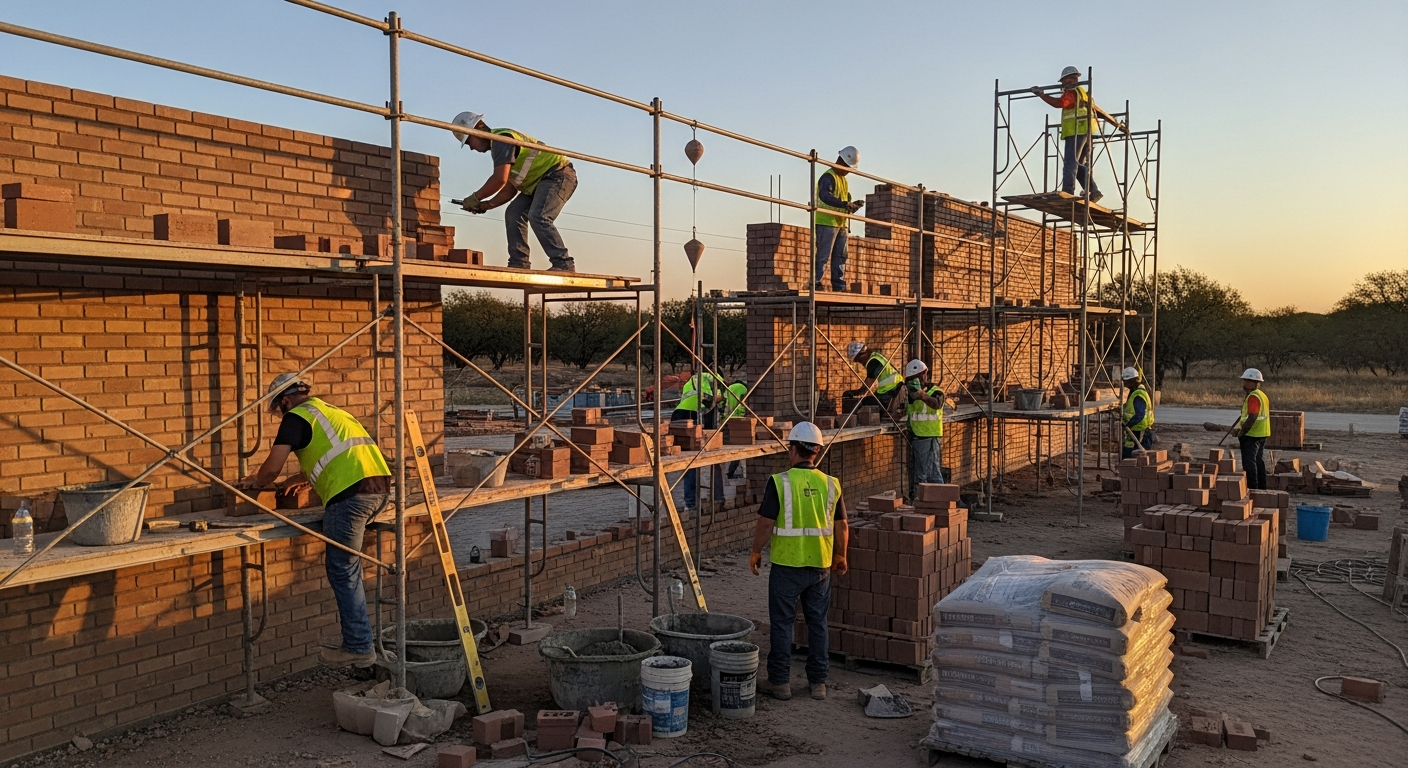

As 2026 approaches, Texas masonry contractors face an evolving insurance landscape that demands proactive preparation. With construction projects increasing in complexity and Texas weather patterns growing more unpredictable, the right insurance coverage isn't just a regulatory formality - it's the foundation of your business's financial security. Whether you're a brickwork specialist, stone mason, or concrete contractor, understanding these requirements will protect you from devastating liability claims, workplace accidents, and project delays that could otherwise cripple your operations. The Texas Department of Insurance and contracting boards continue to refine standards specifically for masonry work, making early adaptation to 2026 requirements a strategic advantage for contractors who want to bid confidently on both residential and commercial projects.
Texas Masonry Insurance Requirements by Coverage Type
Texas maintains specific insurance requirements for masonry contractors that vary based on your project types, contract values, and workforce size. These standards are designed to protect both your business and your clients from the unique risks associated with masonry work, including structural concerns, material defects, and jobsite hazards. The baseline requirements typically include general liability, workers' compensation, and commercial auto coverage, but 2026 brings increased scrutiny on policy limits and specialized endorsements.
General liability insurance remains the cornerstone of your protection, covering third-party bodily injury, property damage, and personal injury claims. For masonry contractors, this is particularly crucial when working on client properties where accidental damage to existing structures or injuries to visitors could occur. The Texas standard typically requires at least $1 million per occurrence and $2 million aggregate, but many commercial projects now demand higher limits. What's changing in 2026 is the increased emphasis on completed operations coverage, which protects you against claims arising from your work after the project is finished - essential for masonry where issues might not surface immediately.
Beyond the basics, several specialized coverages deserve your attention. Tools and equipment insurance protects your valuable masonry-specific assets like saws, mixers, and scaffolding from theft or damage. Installation floater policies cover materials in transit or awaiting installation - critical when working with expensive stone, brick, or specialized concrete products. Builder's risk insurance becomes essential for projects where you're responsible for materials before project completion, protecting against weather damage, theft, or vandalism at the jobsite.
Workers' Compensation for Masonry Operations
While Texas doesn't mandate workers' compensation for most private employers, masonry contractors face significant pressure to carry this coverage from multiple directions. General contractors increasingly require proof of workers' comp from subcontractors, and without it, you risk losing lucrative contracts. More importantly, the physical nature of masonry work - handling heavy materials, working at heights, and exposure to silica dust - creates substantial injury risks that make this coverage a business necessity rather than an option.
The Texas workers' compensation system operates differently than most states, offering employers the choice to participate or remain non-subscribers. However, for masonry contractors, subscribing typically provides better protection against workplace injury lawsuits and ensures medical costs and lost wages are covered according to established guidelines. Non-subscribers face unlimited liability for workplace injuries and must prove employee negligence to avoid paying claims - a difficult standard that places your business assets at risk.
Masonry contractors should pay particular attention to classification codes and premium calculations. The National Council on Compensation Insurance (NCCI) assigns specific codes for different masonry activities, with rates reflecting the risk level of each operation. For example:
- 5022 Masonry: Applies to most brick, stone, and concrete block work
- 5213 Concrete Construction: For concrete forming and pouring operations
- 5403 Carpentry: May apply to framing work performed by masons
- 6217 Steeplejacks: For specialized masonry work at extreme heights
Proper classification is essential since misclassification can lead to premium disputes or coverage gaps. As 2026 approaches, expect increased auditing of classification accuracy by carriers, making proper documentation of your workforce's actual duties more important than ever.
Commercial Auto Insurance for Masonry Contractors
Your vehicles represent both essential business tools and significant liability exposures. From pickup trucks carrying tools and materials to specialized vehicles transporting heavy masonry supplies, proper commercial auto coverage protects against accidents, cargo theft, and vehicle damage. Texas requires minimum liability coverage of $30,000 per person for bodily injury, $60,000 per accident, and $25,000 for property damage, but these minimums are often insufficient for masonry contractors' needs.
Masonry operations face unique auto insurance considerations that standard policies might not adequately address. Hauling expensive stone, brick, or specialized equipment requires higher liability limits and often additional cargo coverage. Dump trucks and other heavy vehicles used for material delivery may need commercial truck insurance rather than standard commercial auto policies. Even your employees' personal vehicles used for business purposes - like visiting job sites or picking up supplies - create exposure that requires hired and non-owned auto liability coverage.
The physical damage component of your commercial auto policy deserves special attention for masonry contractors. Repairing or replacing specialized vehicles can cause significant business interruption, making comprehensive and collision coverage with appropriate deductibles essential. Many contractors overlook the importance of rental reimbursement coverage, which provides a substitute vehicle when yours is being repaired - a crucial feature when your trucks are necessary for daily operations.
Bond Requirements for Texas Masons
Surety bonds represent a critical component of your risk management strategy, serving as guarantees to project owners that you'll fulfill your contractual obligations. While not technically insurance, bonds function similarly by providing financial protection against specific failures. Texas requires various bonds depending on your project types and contract values, with requirements becoming increasingly stringent for masonry contractors working on public projects or larger commercial developments.
The most common bond types for masons include bid bonds, performance bonds, and payment bonds. Bid bonds guarantee you'll enter into a contract if your bid is accepted and often provide the bond amount required for the full performance bond. Performance bonds protect project owners if you fail to complete work according to contract specifications - particularly important in masonry where structural integrity is paramount. Payment bonds ensure your suppliers and subcontractors receive payment, protecting the project from mechanics liens that could complicate ownership or financing.
Obtaining bonds requires demonstrating financial stability, industry experience, and strong credit history. As 2026 approaches, surety companies are tightening underwriting standards for masonry contractors due to increased project complexities and material cost volatility. Building your bonding capacity now positions you to compete for larger projects next year. Start by maintaining clean financial records, establishing banking relationships, and gradually increasing bond amounts through successfully completed smaller projects.
Implementing Effective Risk Management Strategies
Insurance represents just one component of a comprehensive risk management approach for masonry contractors. Proactive safety programs, contractual risk transfer, and documentation practices significantly impact your insurance costs and claim frequency. Developing robust risk management protocols not only reduces your premium expenses but also makes you more attractive to insurers and project owners alike.
A formal safety program should address the specific hazards of masonry work, including fall protection for scaffolding and elevated work surfaces, silica dust exposure control, material handling procedures for heavy stone and brick, and equipment operation protocols. Documented safety meetings, regular equipment inspections, and thorough incident investigations demonstrate to insurers that you're actively managing risks rather than simply transferring them through coverage.
Contract review represents another critical risk management component. Ensure your contracts properly delineate responsibilities, include appropriate indemnification provisions, and require certificates of insurance from all subcontractors. Pay particular attention to additional insured requirements, waiver of subrogation clauses, and primary/non-contributory wording that could impact how your policies respond to claims. Having your attorney and insurance agent review contract language before signing prevents unexpected coverage gaps.
Navigating the 2026 Insurance Market for Masons
The Texas insurance market for masonry contractors continues evolving, with several trends likely to accelerate through 2026. Carriers are increasingly specializing in construction risks, offering more tailored coverage but with stricter underwriting standards. Premiums are rising moderately due to increased reconstruction costs and litigation trends, while coverage terms are becoming more specific about exclusions and limitations relevant to masonry work.
Several external factors will influence your 2026 insurance program beyond traditional underwriting considerations. Climate change impacts are causing insurers to scrutinize weather-related exposures more carefully, particularly for projects in flood-prone or severe weather areas of Texas. Supply chain disruptions continue affecting material costs and project timelines, making accurate valuation of your work-in-progress essential for adequate builder's risk coverage. Regulatory changes around employment practices and environmental protection may necessitate additional coverages you haven't previously carried.
To position your masonry business for success in this evolving market, consider these strategic steps:
- Start Early: Begin your 2026 insurance review at least 90 days before policy renewal to allow time for market comparisons and negotiations
- Gather Documentation: Prepare updated safety manuals, training records, financial statements, and project lists to demonstrate your professionalism to insurers
- Consult Specialists: Work with an insurance agent who specializes in construction or masonry specifically, as they understand unique exposure and available coverage options
- Consider Alternatives: Explore captive options, group purchasing programs, or higher deductibles if traditional markets become cost-prohibitive
- Bundle Strategically: Package multiple coverage types with a single carrier when possible to leverage premium discounts and streamline administration
Building strong relationships with your insurance professionals positions you to navigate market changes effectively. Regular communication about your business evolution, project types, and risk management improvements helps your agent secure the best terms and identify emerging coverage needs before they become urgent issues.
Preparing now for Texas masonry insurance requirements in 2026 gives your business a competitive advantage through adequate protection, cost management, and compliance assurance. The most successful contractors view insurance not as an expense to minimize but as a strategic tool that enables growth, manages risk, and demonstrates professionalism to clients. By understanding these evolving requirements and implementing the coverage and risk management strategies outlined here, you can build a foundation that supports your business through whatever challenges and opportunities the coming year brings to Texas's vibrant construction industry.