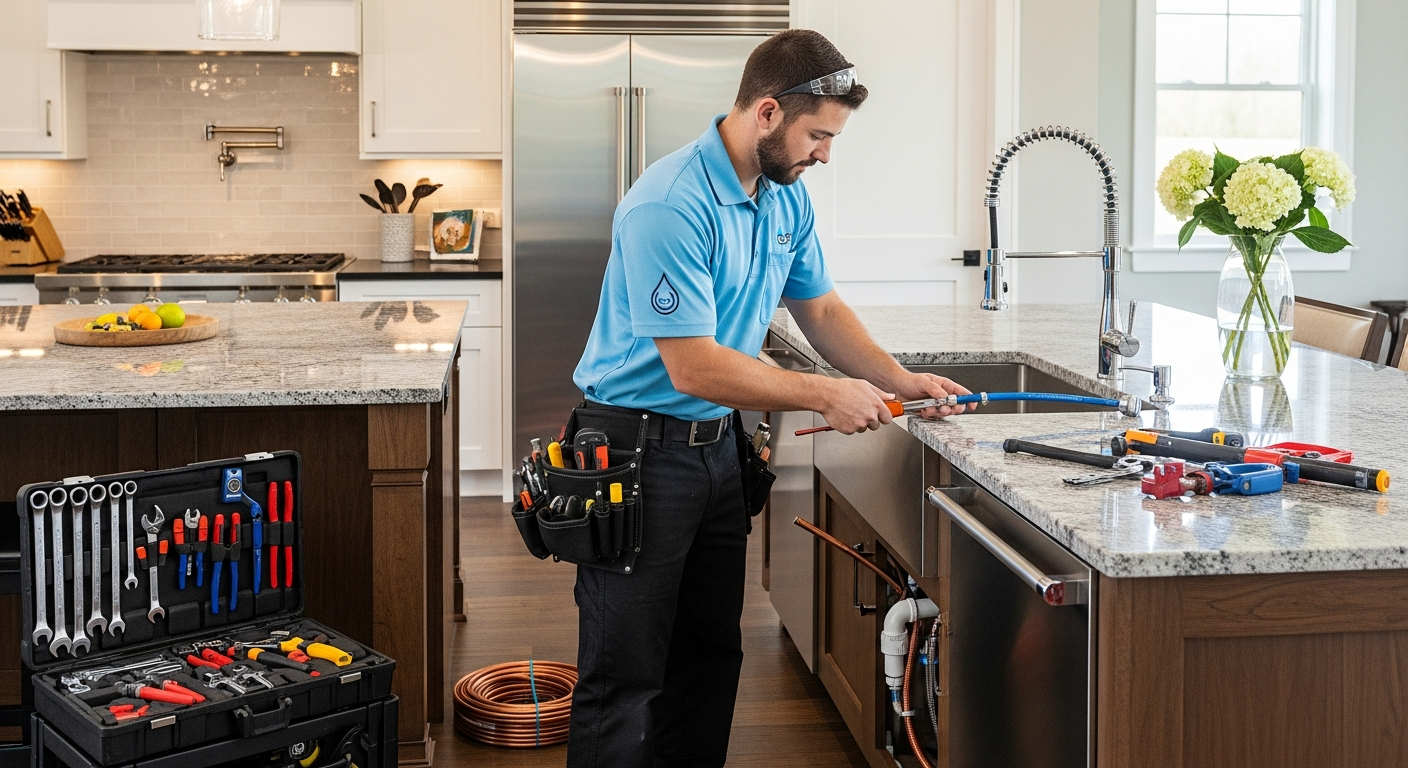

Becoming a licensed plumbing contractor in Texas is a significant achievement, but it's only half the battle. The state of Texas mandates specific insurance coverage to protect your business, your employees, and your clients. Operating without the proper plumbing contractor license insurance is not just a regulatory risk; it's a financial time bomb that could destroy everything you've built. From handling high-pressure water lines to working on complex gas fittings, the risks are real and the financial consequences of an accident can be catastrophic. Understanding and securing the right insurance policies is not a bureaucratic formality-it's a foundational pillar of a sustainable and reputable plumbing business in the Lone Star State.
Mandatory Insurance for Texas Plumbing Contractors
Before the Texas State Board of Plumbing Examiners (TSBPE) will issue or renew your license, you must provide proof of specific insurance policies. These are non-negotiable requirements designed to create a baseline of financial protection for the public and the industry. The primary goal is to ensure that if something goes wrong on a job site-be it property damage or a worker injury-there are funds available to cover the associated costs. This protects the homeowner from bearing the financial burden and safeguards your business from a devastating lawsuit that could lead to bankruptcy. Failing to maintain continuous coverage can result in immediate suspension of your plumbing license, halting your ability to work legally.
The two core, mandatory types of insurance for a plumbing contractor in Texas are workers' compensation and general liability insurance. While the state does not require you to carry workers' comp if you have no employees, you must formally notify the TSBPE of your exemption. However, if you have even one employee, the requirement typically applies. General liability insurance, on the other hand, is mandatory for all licensed plumbing contractors regardless of staffing. Let's break down the specific coverage amounts and details as stipulated by the TSBPE.
General Liability Insurance Requirements
General liability insurance is your first line of defense against third-party claims of bodily injury or property damage. Imagine a scenario where a pipe you installed bursts, flooding a client's newly renovated kitchen and ruining their custom cabinets. Or consider a visitor to your job site who trips over your equipment and breaks an arm. Your general liability policy is designed to cover the costs associated with these incidents, including medical expenses, legal fees, and repair or replacement costs.
The TSBPE has set clear minimum requirements for this coverage. Your policy must provide coverage for bodily injury and property damage with limits of at least $300,000 per occurrence and a $600,000 aggregate limit. The "per occurrence" limit is the maximum the insurer will pay for a single claim, while the "aggregate" is the total it will pay during the policy period (usually one year). It is crucial that your Certificate of Insurance (COI) names the "Texas State Board of Plumbing Examiners" as the certificate holder to ensure the board can verify your compliance.
Workers' Compensation Insurance Requirements
If you employ anyone, from apprentice plumbers to office staff, workers' compensation insurance is a legal necessity in Texas. This coverage protects your employees if they get sick or injured on the job. Plumbing is physically demanding work involving heavy lifting, exposure to chemicals, and work in confined spaces, making the risk of injury notably high. A workers' comp policy covers medical treatment, lost wages, and rehabilitation costs for an injured employee. In return, it typically protects you, the employer, from being sued by the employee for those same workplace injuries.
Texas is unique as the only state where employers can opt out of the state's workers' compensation system. However, choosing non-subscription is a major risk. If you opt out and an employee is injured, you lose the legal protections from lawsuits that workers' comp provides. This means you could be personally liable for all medical bills and damages awarded in a civil court case. For most plumbing contractors, carrying a standard workers' compensation policy through a provider like the Texas Department of Insurance, Division of Workers' Compensation (DWC) or a private carrier is the safer and more prudent choice.
Highly Recommended Additional Coverage
While general liability and workers' comp meet the state's minimum legal requirements, a truly robust risk management strategy involves several other key insurance policies. These additional coverages address significant gaps that the mandatory policies leave open, protecting you from financial losses that could stem from damage to your own property, lawsuits not related to bodily injury, or issues with your company vehicles.
Relying solely on the state-mandated minimums is like using a pipe wrench when you need a full tool kit-it might handle one job but leaves you unprepared for the rest. The most successful and secure plumbing businesses in Texas build a comprehensive insurance portfolio tailored to their specific operations. The following types of insurance are not required by the TSBPE but are critically important for the long-term health and stability of your contracting business.
- Commercial Auto Insurance: If your business owns, rents, or leases any vehicles-from a single work truck to an entire fleet-personal auto insurance will not cover accidents that occur while working. Commercial auto insurance covers liability and physical damage for vehicles used for business purposes.
- Inland Marine (Tool and Equipment) Insurance: Your tools are your livelihood. This policy covers your expensive equipment-from pipe threaders and power snakes to inspection cameras-if they are stolen from your truck or damaged at a job site. A general liability policy does not cover your own business property.
- Commercial Property Insurance: If you own or lease a physical office, warehouse, or storage facility, this insurance protects the building and its contents (like inventory, computers, and furniture) from perils like fire, theft, or storm damage.
- Professional Liability (Errors and Omissions) Insurance: This covers financial losses a client suffers due to your professional mistakes or negligence. If you incorrectly design a plumbing system that leads to chronic drainage issues, requiring a full re-pipe, your general liability may not cover it, but your E&O policy would.
- Umbrella Insurance: This policy provides an extra layer of liability protection that kicks in when the limits of your underlying policies (like general liability or commercial auto) are exhausted. It's a cost-effective way to secure million-dollar-plus coverage limits for catastrophic claims.
The Licensing and Insurance Verification Process
Securing your insurance is an integral part of the licensing and renewal process with the TSBPE. The board actively verifies that all licensed plumbing contractors maintain continuous coverage. You cannot simply show a certificate once and forget about it; your insurance carrier is required to report any cancellations, lapses, or non-renewals directly to the TSBPE. This system ensures ongoing compliance and protects the public from contractors who might otherwise operate without adequate financial backing.
The process begins when you apply for a new license or a renewal. You must submit a Certificate of Insurance (COI) that meets all the specified criteria. The TSBPE will not process your application without it. For renewals, it's vital to start the process early. Contact your insurance agent at least 60 days before your license expiration to review your policies and generate a new COI. A last-minute rush can lead to errors or delays that could result in a lapse of your license, preventing you from legally accepting new jobs until the issue is resolved.
Here are the key steps to ensure a smooth verification process with the TSBPE:
- Contact a Texas-licensed insurance agent who specializes in contractor insurance.
- Secure a general liability policy with limits of at least $300,000/$600,000.
- If you have employees, secure a workers' compensation policy or file the necessary exemption forms.
- Request a Certificate of Insurance (COI) from your agent that explicitly names the "Texas State Board of Plumbing Examiners" as the certificate holder.
- Submit the COI to the TSBPE as part of your license application or renewal packet, either online or by mail.
- Keep a copy of your COI and policy documents in your business records and provide copies to general contractors as required.
Cost Factors and Finding the Right Insurance Provider
The cost of your plumbing contractor insurance in Texas is not a one-size-fits-all premium. Insurers assess a variety of risk factors to determine your specific rate. Understanding these factors can help you make business decisions that may lower your insurance costs over time. The size of your business, your claims history, the specific plumbing services you offer, and even your location within Texas all play a significant role.
For instance, a one-person operation focusing on residential service calls will typically pay less for general liability insurance than a large firm specializing in commercial high-rise plumbing and medical gas installation. The latter involves higher-value projects and greater potential risks, which translates to higher premiums. Similarly, a clean claims history with no workplace injuries or client lawsuits demonstrates to insurers that you are a responsible contractor, which can lead to more favorable rates.
When shopping for insurance, it's essential to work with a provider that understands the intricacies of the plumbing trade and the specific regulations in Texas. Look for an agency that offers a portfolio of policies, allowing you to bundle your general liability, commercial auto, and inland marine coverage, which can often lead to discounted rates. Don't just choose the cheapest option; evaluate the insurer's financial stability, customer service reputation, and claims handling process. The right provider acts as a partner in your business's growth and protection.
Protecting your Texas plumbing license and the business you've worked hard to build requires a proactive and informed approach to insurance. By securing both the mandatory coverages and the highly recommended additional policies, you create a financial safety net that allows you to focus on what you do best: delivering quality plumbing services to your customers. Ensure you maintain continuous coverage, keep your policies up to date as your business evolves, and consult with a knowledgeable insurance professional to navigate the specific risks of your operation. This diligent approach is the hallmark of a professional, trustworthy, and enduring plumbing contractor in Texas.