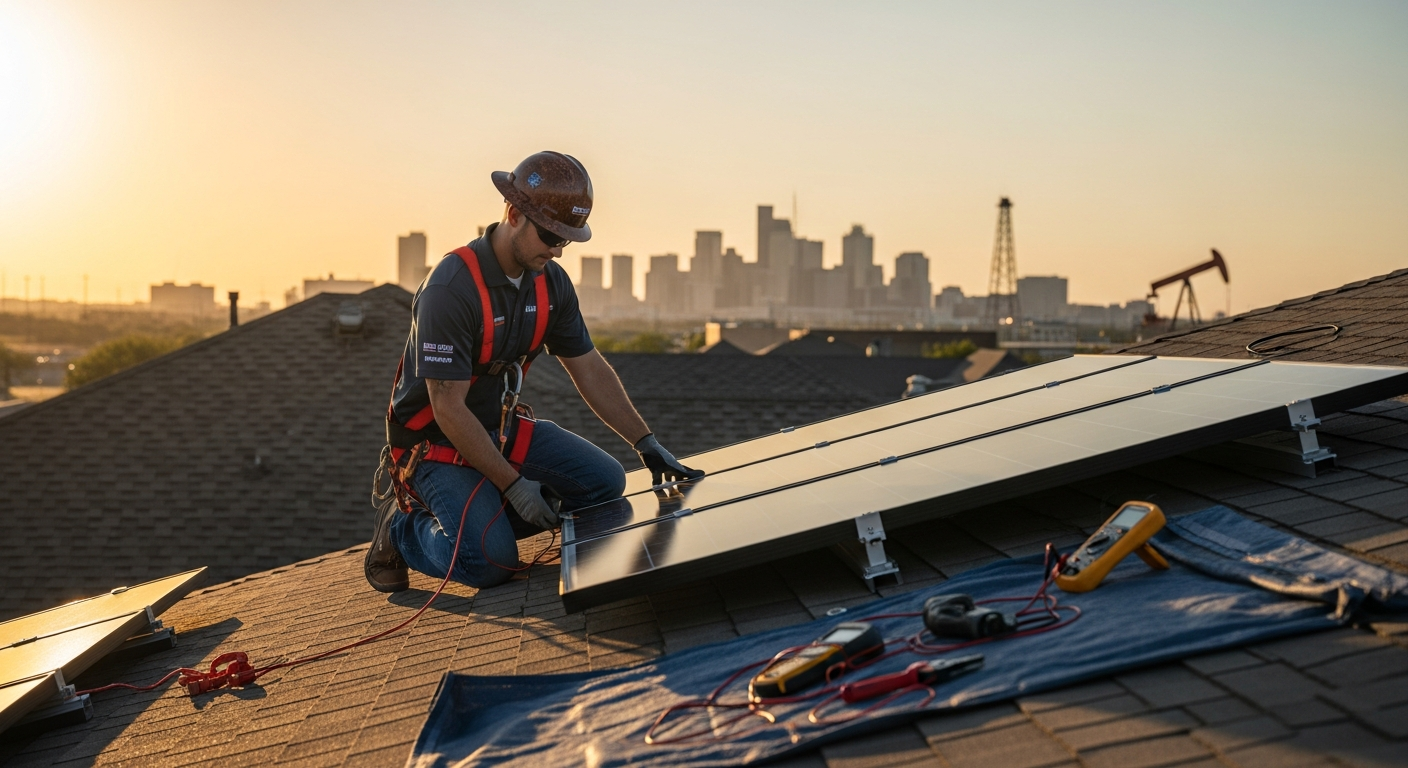

As Texas continues to lead the nation in solar energy adoption, the rush to meet homeowner and business demand has created a booming market for installation companies. However, the high-stakes nature of this work-involving rooftop labor, complex electrical systems, and expensive equipment-also opens the door to significant financial risks. From a fallen panel damaging a client's roof to an on-the-job injury, a single incident could jeopardize your entire operation. That's why a robust, Texas-specific solar panel installation business insurance portfolio isn't just a line item on a checklist; it's the foundation upon which a sustainable and reputable company is built. Understanding and securing the right coverage is the most critical installation you'll perform for your own business.
Core Insurance Policies for Texas Solar Installers
To operate legally and safely in the Lone Star State, your solar installation business must be protected by a set of fundamental insurance policies. These coverages address the most common and severe risks you face daily. Without them, you are personally liable for property damage, lawsuits, and employee injuries, which could lead to financial ruin. The Texas sun may power your installations, but these policies will power your company's resilience and longevity.
General liability insurance is the cornerstone of your protection plan. It serves as your first line of defense against claims of third-party bodily injury or property damage. For example, if a potential client trips over your tool during a site survey and breaks an arm, or if you accidentally drop a panel and shatter a skylight, this policy would cover the associated medical bills and repair costs. In our highly litigious environment, this policy also covers the legal fees and settlements if a client decides to sue. Given that you are constantly working on other people's property, this is non-negotiable for any solar installer in Texas.
Another absolutely essential coverage is workers' compensation insurance. In Texas, while it is not mandated by the state for most private employers, operating without it is an enormous gamble. If one of your employees falls from a ladder or suffers an electrical shock, workers' comp covers their medical expenses and a portion of their lost wages. More importantly, it provides you with employer's liability coverage, which protects your business from being sued by the injured employee. Without it, you could be held personally responsible for all costs, which could easily reach hundreds of thousands of dollars. Most general contractors and project developers will also require you to have it before you can even step foot on a job site.
Commercial Auto and Tools Coverage
Your fleet of vehicles and specialized equipment are the lifeblood of your operation. Commercial auto insurance is legally required for any vehicle registered to your business. A personal auto policy will not cover an accident that occurs while your employee is driving a company truck to a job site. This policy covers liability, collision, and comprehensive damage for your work vans and trucks. Similarly, inland marine insurance, often called a "tool floater," is critical for protecting your high-value, mobile equipment. This includes solar panels in transit, ladders, inverters, and specialized power tools. If your trailer is stolen from a hotel parking lot or your panels are damaged in a traffic accident, this policy provides the funds to replace them, ensuring a minor mishap doesn't bring your projects to a halt.
Texas-Specific Regulations and Considerations
Operating a solar business in Texas comes with a unique set of regulatory and environmental factors that must be reflected in your insurance strategy. The Texas Department of Licensing and Regulation (TDLR) oversees the installation of solar energy devices, and maintaining proper insurance is a key part of complying with their standards. Furthermore, the distinct Texas climate and legal landscape present risks you may not encounter elsewhere.
The sheer scale of weather-related risks in Texas cannot be overstated. From hailstorms in the Panhandle that can shred panel arrays to the hurricane-force winds and flooding on the Gulf Coast, your policies must be scrutinized for weather exclusions. A standard property policy might not be enough. You need to ensure your commercial property, inland marine, and installation floaters specifically account for hail, wind, and flood damage to both your equipment in storage and installations in progress. Discussing these perils with your insurance agent and potentially adding specific endorsements is a vital step for Texas solar contractors.
Texas also operates as a "modified comparative fault" state. In a lawsuit, this means a plaintiff can still recover damages as long as they are found to be less than 51% at fault. However, their recovery is reduced by their percentage of responsibility. This legal nuance makes you a target for lawsuits even if you are only partially to blame for an incident. This system underscores the critical importance of not only having general liability insurance but also securing high enough policy limits. A $1 million per occurrence limit is a common baseline, but for larger installation projects, an umbrella policy providing an additional $1 to $5 million in coverage is a wise investment to protect your assets.
Specialized Coverages for Enhanced Protection
While the core policies form your base of protection, the specialized nature of solar installation demands additional, more nuanced coverages. These policies address gaps that general liability and workers' comp leave open, safeguarding you against errors in your professional work and the unique risks of long-term service agreements.
Professional liability insurance, also known as errors and omissions (E&O) insurance, is crucial for any company providing design or consulting services. If you design a system that underperforms its promised energy output, leading to a client's higher-than-expected electricity bills, they could sue you for the financial loss. Similarly, if you mistakenly recommend an incompatible component that causes system failure, E&O would cover the legal defense and damages. This is separate from general liability, which covers physical damage, not financial loss due to professional error.
Another key coverage is an installation floater. This is a temporary insurance policy that covers materials, panels, and equipment while they are on a job site but not yet permanently installed and accepted by the client. Imagine a pallet of solar panels valued at $30,000 is delivered to a client's driveway. Before you can install them, a thunderstorm causes a tree branch to fall and crush them. Your commercial property policy likely wouldn't cover them as they are off your premises, and the homeowner's insurance may deny the claim as the panels were not yet part of the structure. An installation floater is designed specifically for this scenario.
As your business matures, you will likely offer warranties and maintenance agreements. This long-term commitment creates a new risk exposure. To manage this, you can explore:
- Warranty Insurance: Protects you if a large number of systems fail under warranty, creating a financial burden you didn't anticipate.
- Pollution Liability: Covers cleanup costs if, for instance, a battery storage system you installed leaks chemicals into the soil.
- Cyber Liability: If you store customer data (like credit card information or utility bills), this protects you in the event of a data breach.
Determining Your Insurance Costs and Finding a Provider
The cost of your insurance package will vary significantly based on your company's specific profile. Insurers assess your risk level to calculate your premiums, and understanding these factors can help you manage your costs effectively. A generic online quote is insufficient for a specialized trade like solar installation; you need a provider who understands the intricacies of your work.
Several key variables directly impact your insurance premiums. Your company's annual revenue and payroll are the primary bases for calculating premiums for general liability and workers' compensation, respectively. The number of jobs you complete and their average size also matter. Furthermore, your safety record is paramount. A history of few or no claims demonstrates to insurers that you are a low-risk business, which can lead to substantially lower premiums. The types of projects you undertake-simple residential ground mounts versus complex commercial rooftops-also influence cost, with higher-risk jobs commanding higher premiums.
When searching for an insurance provider in Texas, do not simply choose the cheapest option. You need a carrier or agent with proven experience in contractor and trade-specific insurance, preferably with a portfolio of other solar clients. They will understand the need for an installation floater, the importance of high liability limits, and the specific endorsements required for Texas weather. Before you commit, follow these steps:
- Assess Your Risks: Document all your business activities, from transportation and storage to installation and maintenance.
- Gather Documents: Have your business revenue details, payroll records, vehicle information, and list of equipment ready.
- Get Multiple Quotes: Seek quotes from at least three different providers who specialize in contractor insurance.
- Review Policy Details: Scrutinize the coverage limits, deductibles, and-most importantly-any exclusions related to height, electrical work, or weather.
- Build a Relationship: Choose an agent who is responsive and willing to explain the fine print, as they will be your partner in risk management.
Securing the right business insurance for your Texas solar panel installation company is a complex but non-negotiable part of your success. It allows you to bid on larger projects with confidence, protects the assets you've worked hard to build, and demonstrates to your clients that you are a professional and reliable partner in their transition to clean energy. By building a comprehensive, Texas-tailored insurance portfolio, you're not just buying a policy-you're installing a permanent layer of security for your business's future.