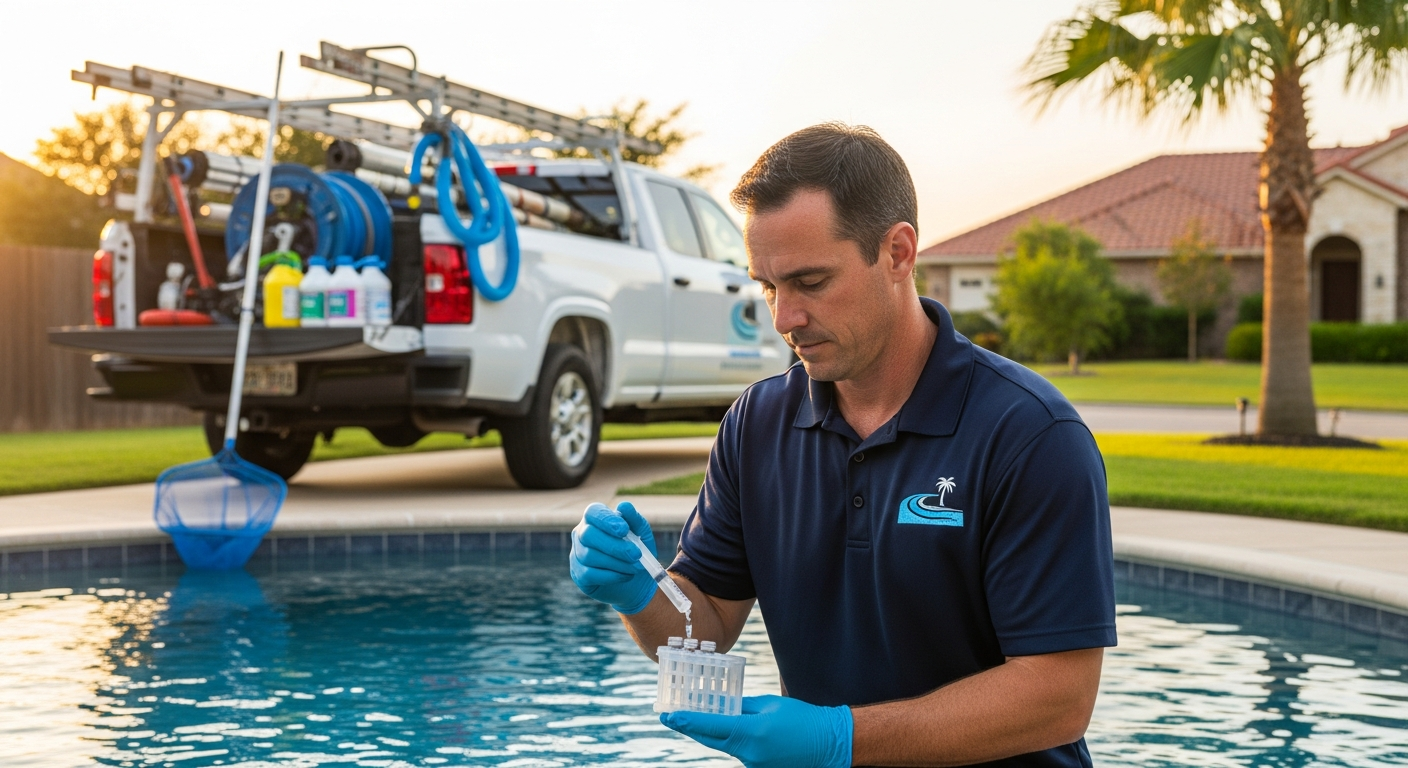

Operating a swimming pool service business in Texas requires more than just skimmers and chemicals - it demands comprehensive protection against the unique risks that come with maintaining aquatic environments. From backyard oasis maintenance to commercial pool management, Texas pool service contractors face significant liability exposures daily. A single slip-and-fall incident, chemical handling error, or equipment malfunction could lead to devastating financial consequences without proper insurance coverage. Texas law doesn't explicitly mandate pool service insurance, but operating without adequate protection puts your business assets, reputation, and financial stability at substantial risk. Understanding the specific insurance requirements and coverage options for pool service professionals in the Lone Star State isn't just smart business practice - it's essential for long-term survival in this specialized industry.
Essential Insurance Coverage for Texas Pool Service Businesses
Every swimming pool service company in Texas needs a core set of insurance policies designed to address the industry's most common risks. These foundational coverages work together to create a comprehensive safety net that protects against everything from customer injuries to equipment damage. The specific policies you need will depend on your business structure, services offered, and client requirements, but several types of coverage form the bedrock of protection for pool service operations throughout Texas.
General liability insurance represents the most critical coverage for Texas pool service contractors. This policy protects your business when third parties - typically customers or their guests - suffer bodily injury or property damage connected to your services. For instance, if a client slips on a wet deck you recently serviced or their landscaping gets damaged during chemical treatment, general liability coverage would handle the medical expenses, repair costs, and legal fees. Many commercial clients, including hotels, apartment complexes, and municipal facilities, require proof of general liability coverage before allowing pool service companies to bid on contracts. The standard Texas general liability policy for pool services typically includes premises liability, products-completed operations, and personal injury protection.
Commercial Auto Insurance for Service Vehicles
Texas law mandates that all vehicles used for business purposes carry commercial auto insurance, which provides significantly different coverage than personal auto policies. Pool service companies typically use trucks and vans to transport chemicals, equipment, and crew between job sites, creating unique insurance needs. A commercial auto policy covers vehicle damage, medical expenses for injured parties, and liability protection when accidents occur during business operations. Consider this scenario: your service truck rear-ends another vehicle while transporting chlorine tablets to a client's property. Your commercial auto policy would cover the other driver's vehicle repairs, medical bills, and your legal defense if they file a lawsuit.
The coverage requirements for commercial vehicles in Texas include minimum liability limits of $30,000 per injured person, $60,000 per accident, and $25,000 for property damage. However, these state minimums often prove insufficient for pool service businesses carrying expensive equipment and hazardous materials. Most Texas pool service companies opt for higher limits - typically $100,000/$300,000/$100,000 - and add comprehensive and collision coverage to protect their investment in specialized vehicles. Additional endorsements like hired and non-owned auto coverage become crucial if employees use personal vehicles for business purposes or you periodically rent vehicles during peak season.
Workers Compensation Requirements in Texas
Texas operates under unique workers compensation laws that create both opportunities and risks for pool service business owners. Unlike most states, Texas doesn't require private employers to carry workers compensation insurance, creating a crucial decision point for swimming pool service companies. While opting out might seem financially appealing initially, this approach exposes business owners to potentially devastating personal injury lawsuits from employees. When a pool service technician suffers a chemical burn, lifting injury, or heat-related illness on the job, workers comp provides predetermined benefits regardless of fault, while also protecting employers from negligence lawsuits.
The decision to carry workers comp insurance involves weighing several factors specific to your Texas pool service operation. Consider your company's financial resilience - could you afford to pay an employee's medical bills and lost wages if they suffer a serious injury? Evaluate your risk tolerance for lawsuits - without workers comp, employees can sue for workplace injuries, and Texas courts often award significantly higher damages than standard workers comp benefits. Analyze your hiring competitiveness - many skilled technicians prefer employers who offer workers comp protection. Review client expectations - commercial accounts frequently require proof of workers comp coverage before awarding maintenance contracts.
Texas pool service businesses that choose to carry workers compensation must understand the premium calculation process. Insurance carriers determine rates based on your company's payroll, job classifications, and claims history. Pool service technicians typically fall under classification code 9015, which carries specific rate determinations. You can control costs by implementing robust safety programs, properly classifying employees, and working with insurance providers who specialize in Texas contractor policies. The Texas Department of Insurance provides resources for understanding workers comp requirements, though consulting with an insurance professional who understands the pool service industry typically yields the most appropriate coverage decisions.
Additional Coverage Options for Enhanced Protection
Beyond the essential policies, Texas pool service businesses should consider several specialized coverages that address industry-specific risks. These additional policies fill critical gaps in standard business insurance packages and provide protection against scenarios that could otherwise cripple your operation. The right combination of supplemental coverage depends on your specific services, client base, and risk management strategy, but several options merit serious consideration for most pool service providers in Texas.
Equipment and tool coverage protects the specialized assets that keep your business operational. From automated cleaners and testing equipment to chemical feeders and repair tools, pool service companies rely on expensive, specialized equipment that standard property insurance might not fully cover. This coverage typically functions as an inland marine policy that protects your tools and equipment both at your business location and while transported to job sites. Imagine your service van gets broken into overnight, and thieves steal $8,000 worth of diagnostic equipment and power tools - equipment coverage would reimburse your replacement costs, minus your deductible.
Professional liability insurance, often called errors and omissions coverage, addresses financial losses clients suffer due to your professional advice or services. While general liability covers physical injury and property damage, professional liability protects against allegations of negligence, mistakes, or failure to deliver promised services. For pool service companies, this might include improper water chemistry balancing that damages pool equipment, failure to identify structural issues during inspection, or incorrect installation of pool systems. Even if the allegations prove unfounded, defending against professional negligence claims can cost thousands in legal fees without proper coverage.
Pollution liability coverage represents particularly valuable protection for Texas pool service businesses that handle, store, and apply chemicals. Standard liability policies often contain exclusions for pollution incidents, creating significant coverage gaps when chemical spills, leaks, or misapplications occur. A dedicated pollution liability policy covers cleanup costs, third-party bodily injury, and property damage resulting from chemical-related incidents. Consider these realistic scenarios: a container of acid leaks in a client's garage, causing vapor damage to stored items; heavy rain washes recently applied algaecide into neighboring properties, killing expensive landscaping; or improper chemical handling causes chlorine gas release that sickens family members. Each situation could generate substantial claims that standard policies might exclude.
Texas-Specific Insurance Considerations
Operating a pool service business in Texas presents unique insurance considerations influenced by state laws, climate patterns, and regional risk factors. Understanding these Texas-specific elements helps pool service contractors build insurance portfolios that truly match their operational environment. From regulatory requirements to weather-related exposures, several factors distinguish Texas pool service insurance from coverage in other states.
Texas weather patterns create distinct insurance needs for pool service companies. The state's susceptibility to hailstorms, hurricanes, and flash flooding necessitates robust property coverage for business locations and careful attention to weather-related exclusions in liability policies. Many standard business policies contain specific exclusions for flood damage, windstorms, or hail, requiring separate endorsements or policies in high-risk areas. Pool service companies operating in coastal regions like Galveston or Corpus Christi often need hurricane deductibles and flood insurance, while businesses in North Texas face higher hail exposure. Additionally, the extreme Texas heat creates unique workers compensation considerations for technicians working outdoors during summer months.
Texas tort laws significantly impact liability coverage decisions for pool service businesses. The state's modified comparative negligence rule means injured parties can recover damages only if they're less than 51% at fault, while pure several liability rules for multiple defendants create complex litigation scenarios. These legal frameworks make higher liability limits particularly important for Texas pool service companies, as multiple parties often share blame in pool-related incidents. Furthermore, Texas premises liability laws establish different standards of care for invitees, licensees, and trespassers, affecting how pool service companies manage client property access and security.
The regulatory environment for Texas pool service businesses involves multiple governing bodies that influence insurance requirements. While Texas doesn't license pool service contractors at the state level, many municipalities enforce local licensing, bonding, and insurance requirements. Additionally, companies handling pesticides and algaecides must comply with Texas Department of Agriculture regulations regarding commercial applicator certification and financial responsibility requirements. Proper insurance documentation becomes essential when applying for these credentials and maintaining compliance with evolving local ordinances throughout Texas municipalities.
Determining Your Coverage Needs and Finding Providers
Assessing your specific insurance requirements represents the most critical step in protecting your Texas pool service business. A methodical approach to evaluating risks, coverage options, and provider qualifications ensures you obtain appropriate protection without overpaying for unnecessary policies. This process involves honest assessment of your operations, understanding industry standards, and working with insurance professionals who comprehend the unique aspects of pool service businesses in Texas.
Begin by conducting a thorough risk assessment of your specific operations. Document all services you provide - routine maintenance, equipment repair, chemical treatment, renovation work, or seasonal opening/closing - and identify potential liabilities associated with each service category. Inventory your business assets, including vehicles, equipment, tools, and inventory, establishing accurate replacement values. Review your client contracts and service agreements to understand insurance requirements imposed by commercial accounts or residential customers. Analyze your business structure - sole proprietorships, partnerships, LLCs, and corporations face different liability exposures that influence coverage decisions.
When searching for insurance providers, prioritize companies with demonstrated experience in Texas contractor policies and specific knowledge of pool service operations. The ideal insurance partner understands seasonal fluctuations in pool service businesses, recognizes the difference between various service types, and maintains relationships with carriers offering specialized coverage forms for the industry. Request references from other Texas pool service companies and verify the provider's familiarity with local regulations across different municipalities. Confirm their understanding of Texas-specific issues like weather patterns, legal frameworks, and regulatory requirements that impact coverage needs.
Texas pool service businesses should consider these key factors when evaluating insurance proposals:
- Policy limits and deductibles: Balance affordability with adequate protection, considering both per-occurrence and aggregate limits
- Coverage exclusions: Scrutinize what's excluded, particularly regarding pollution, professional services, and specific property types
- Endorsement availability: Ensure the carrier offers necessary add-ons like equipment floaters, hired auto, or additional insured options
- Carrier financial strength: Verify AM Best ratings to confirm the insurer's ability to pay claims
- Claims handling reputation: Research how efficiently the company processes claims and supports policyholders during incidents
Properly insuring your Texas swimming pool service business requires ongoing attention as your company evolves. Regular policy reviews - at minimum during annual renewals - ensure your coverage keeps pace with business growth, service expansion, and regulatory changes. Documenting safety protocols, maintaining equipment properly, and training employees thoroughly not only reduces incidents but also demonstrates risk management to insurers, potentially lowering premiums. The right insurance portfolio transforms from a business expense into a strategic asset that enables growth, protects achievements, and provides peace of mind throughout Texas's challenging operating environment.
Building comprehensive protection for your Texas pool service operation requires matching specialized coverage to your specific business model and risk profile. The right insurance portfolio not only satisfies legal and contractual requirements but also creates a foundation for sustainable growth throughout Texas's diverse markets. By understanding the essential coverages, Texas-specific considerations, and proper evaluation methods outlined here, pool service business owners can make informed decisions that protect their investments while supporting long-term success in this specialized industry.