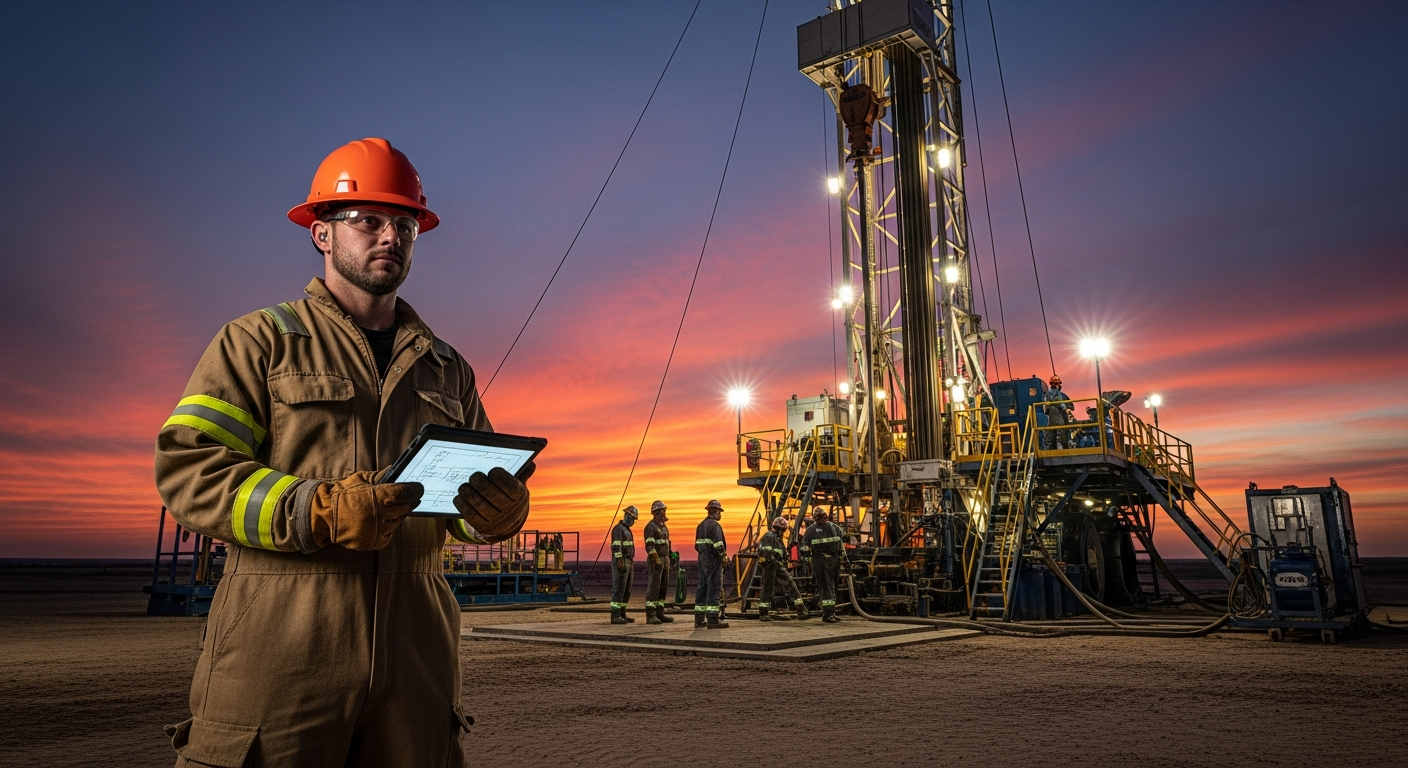

The Texas oilfields pulse with opportunity, but for drilling contractors, every turn of the drill bit carries a unique set of risks that can threaten a company's very foundation. From the high-pressure formations of the Permian Basin to the complex logistics of the Eagle Ford Shale, standard insurance policies often fall short, leaving dangerous gaps in coverage. Understanding the intricate landscape of specialized insurance isn't just about checking a box for compliance; it's a strategic business decision critical for survival and growth in one of the world's most demanding industries. This guide dives deep into the essential coverages every Texas drilling contractor needs to navigate the inherent perils of the job, protect their assets, and secure their financial future against the unexpected.
Core Insurance Policies for Texas Drilling Operations
Navigating insurance for a drilling contractor means building a robust safety net from specialized policies designed to address the high-stakes nature of the work. A basic business owner's policy is woefully inadequate. Instead, your coverage must be a custom-built shield, reflecting the specific hazards you face daily on the rig. The cornerstone of this protection is a combination of policies that work in concert to cover everything from third-party injuries to catastrophic equipment failure.
Two of the most critical policies form the bedrock of your risk management strategy. The first protects others from your operations, while the second protects your own people and physical assets. Understanding the distinction and the necessity of both is the first step toward true operational security in the Texas oil and gas sector.
Commercial General Liability (CGL) Insurance
Commercial General Liability (CGL) insurance is your first line of defense against claims of bodily injury or property damage to third parties. For a drilling contractor, this could mean a subcontractor's employee is injured on site, or a surface spill migrates to an adjacent landowner's property. A standard CGL policy is a good start, but Texas drilling contractors must be wary of common exclusions. The "Oil or Gas Wells Endorsement" (often CG 2294) can significantly limit coverage for operations directly related to the drilling, servicing, or maintenance of oil and gas wells. It's imperative to work with an agent who understands these endorsements and can secure a policy that doesn't strip away the very coverage you need.
Control of Well Insurance
Also known as "Well Control" insurance, this is a non-negotiable, specialized policy for any contractor involved in the physical drilling process. A blowout or the inability to control a well is a catastrophic event that standard liability policies explicitly exclude. Control of Well coverage is designed specifically for these nightmare scenarios. It typically covers the enormous costs associated with regaining control of a well, such as bringing in wild well control specialists, drilling relief wells, and containing pollutants. Furthermore, it covers the cost of re-drilling or restoring the well to its condition before the incident. In the geopressured basins of Texas, where formation pressures can be extreme, this policy is a fundamental component of financial resilience.
Protecting Your Workforce and Assets
Your crew and your equipment are the lifeblood of your operation. Without them, work grinds to a halt. Protecting these vital assets requires a dedicated and comprehensive insurance approach that goes beyond basic protections. The financial and legal ramifications of an injured employee or a destroyed piece of machinery can be severe, making these coverages essential for long-term viability.
Ensuring your team is covered in case of injury and your capital investments are protected from physical loss allows you to bid on projects with confidence, knowing your core operational capabilities are secure.
Workers' Compensation Insurance
In Texas, unlike most states, workers' compensation insurance is not mandatory for employers. However, for drilling contractors, opting out is an extraordinarily high-risk strategy. The physical nature of drilling work-with heavy machinery, high pressures, and demanding conditions-makes serious injuries a real possibility. Without workers' comp, an injured employee could sue your company directly for damages, potentially leading to devastating legal costs and court-ordered payouts that far exceed the cost of a premium. Carrying a Texas workers' compensation policy provides a structured, no-fault system that covers medical expenses and a portion of lost wages for injured employees, while also protecting the employer from most lawsuits related to workplace injuries.
Equipment and Auto Coverage
From massive drilling rigs and mud pumps to company trucks and light vehicles, your equipment represents a massive capital investment. Inland Marine insurance, specifically a Contractor's Equipment Floater, is designed to cover this mobile and high-value machinery. It provides protection against physical loss or damage from causes like theft, fire, collision, or windstorm, whether the equipment is on your yard, in transit, or on a remote job site. Similarly, Commercial Auto Insurance is vital for all company vehicles. Given the heavy traffic and long hauls common in Texas oilfields, you need robust liability, collision, and comprehensive coverage. For contractors hauling their own equipment, Motor Truck Cargo insurance may also be necessary to cover the value of the goods or equipment being transported in case of an accident.
Addressing Environmental and Pollution Exposures
The very nature of drilling for oil and gas involves working with hydrocarbons and chemicals, creating a constant exposure to environmental liabilities. A standard CGL policy almost universally excludes pollution-related claims, considering them a predictable business risk for the industry. This creates a critical coverage gap that must be filled with a specialized policy. In Texas, where landowner rights and environmental regulations are taken seriously, a single pollution event can lead to astronomical cleanup costs, regulatory fines, and third-party lawsuits.
Pollution Liability insurance is the dedicated solution. This policy can be structured in different ways to meet your specific needs. A Contractor's Pollution Liability (CPL) policy is designed for the operational risks of a contractor, covering incidents that arise from your work, such as a surface spill of drilling fluid or a leak from a fuel tank. It's crucial to ensure the policy definition of "pollutant" is broad enough to include the drilling mud, frac fluids, and other substances you regularly handle.
Managing Liability Through Contractual Risk Transfer
In the interconnected world of oil and gas drilling, your liability is often defined not just by your actions, but by the contracts you sign. Mastery of contractual risk transfer is as important as any insurance policy itself. The agreements you enter into with operators, service companies, and subcontractors will contain insurance requirements and indemnity clauses that can dramatically shift financial responsibility for losses.
Before signing any contract, a meticulous review is essential. Pay close attention to sections titled "Indemnity," "Insurance," and "Additional Insured." These clauses are designed to protect one party at the expense of another. A poorly negotiated contract can leave you assuming liability for incidents that were not your fault.
Key contractual elements to scrutinize and negotiate include:
- Indemnity Agreements: These "hold harmless" clauses require one party to assume the legal liability of another. Texas law, under the Texas Oilfield Anti-Indemnity Act, places limitations on these clauses, but they remain complex and powerful.
- Additional Insured Endorsements: Contracts often require you to add other parties (like the operator) to your liability policy as an "additional insured." This provides them with coverage under your policy for claims arising from your work.
- Waiver of Subrogation: This clause prevents your insurance company from seeking to recover funds from the other party after paying a claim. It is a common and often reasonable request that helps maintain smooth business relationships.
Never assume a contract is standard. Work with an insurance advisor who is well-versed in Texas oilfield contracts to help you understand your obligations and identify onerous terms that could jeopardize your business.
Choosing the Right Insurance Partner in Texas
Purchasing insurance for a drilling contractor is not a commodity transaction. The cheapest premium can be the most expensive mistake if it comes with critical exclusions, inadequate limits, or an insurer with poor claims-handling service. Your insurance broker or agent should function as a strategic partner, possessing deep, specific knowledge of the Texas energy sector.
The right partner will do more than just sell you a policy; they will conduct a thorough risk assessment of your operations, help you navigate complex contract requirements, and advocate for you during the claims process. They should have established relationships with "A-rated" carriers that specialize in energy risks and understand the unique exposures of drilling contractors.
When evaluating an insurance partner, focus on their expertise and service capabilities. A qualified partner will demonstrate a proven track record with other Texas drilling contractors, offer access to specialized policies like Control of Well and Pollution Liability, and provide proactive advice on risk management and loss control specific to your field operations. This level of specialized support is invaluable in an industry where the stakes are always high.
For Texas drilling contractors, a comprehensive and strategically assembled insurance portfolio is not an expense; it is a fundamental investment in the company's durability and reputation. By securing robust coverage for general liability, well control, workers' compensation, equipment, and pollution, and by mastering the nuances of contractual risk, you build a resilient framework that allows you to operate with confidence. In the dynamic and unpredictable world of oil and gas, the right protection transforms risk from a paralyzing threat into a managed variable, paving the way for sustained success beneath the vast Texas sky.